Kona Joe Coffee: The Trellis Revolution
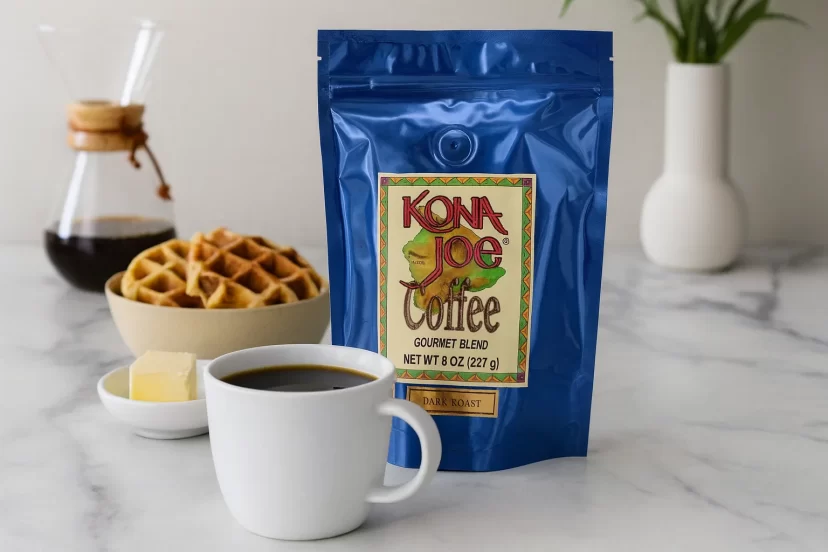
*We may earn a commission for purchases made using our links. Please see our disclosure to learn more.
In the world of specialty coffee, few names evoke the innovation and dedication that defines modern Hawaiian coffee cultivation quite like Kona Joe Coffee. Nestled on the slopes of Hualalai in the renowned Kona coffee district of Hawaii’s Big Island, this family-owned plantation has revolutionized the way premium coffee is grown. By applying winemaking techniques to coffee cultivation, this distinctive operation has earned international recognition and created a unique experience for coffee enthusiasts worldwide.
“Growing the cherries on wires opens the trees to sunshine and aeration, increasing the sweetness and flavor of the coffee.”
— Kona Joe Coffee
Key Takeaways
- The world’s first trellised coffee plantation grows coffee cherries on wires using methods borrowed from premium vineyards, with this patented technique increasing sunlight exposure and aeration for sweeter, more complex flavors.
- The operation combines scientific precision with traditional farming values, testing coffee cherries for pH levels, sugar concentration, and acidity before harvesting at peak maturity.
- Visitors can tour the plantation, witness the entire coffee-making process, and even roast their own beans on authentic Italian drum roasters.
- The coffee earned the SCAA Blue Ribbon award for Best Roasted Coffee, and the family has been cultivating these exceptional beans for over 25 years.
- Products range from medium to dark roasts and espresso blends, available in both ground and whole bean formats, with many offerings being proprietary blends that incorporate trellis-grown Kona coffee.
Recommended Kona Joe Coffee Products on Amazon
Kona Joe Gourmet Coffee Blend, Medium Roast (8 oz)

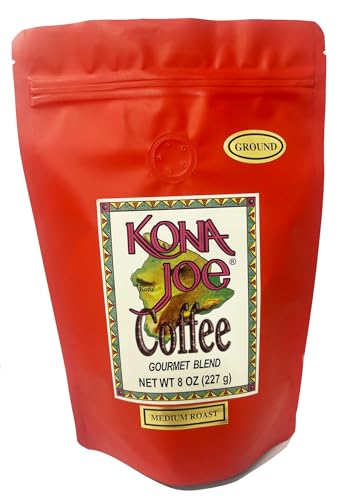
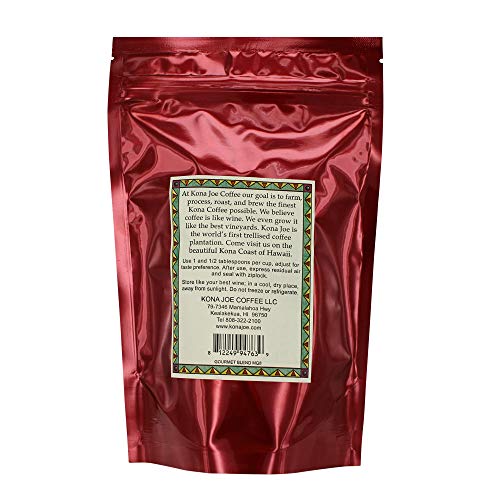
The Kona Joe Gourmet Coffee Blend, Medium Roast (8 oz) offers a smooth, naturally sweet cup crafted through one of the most innovative coffee-growing methods in Hawaii. Using the brand’s signature trellis system—where coffee plants grow like fine wine grapes—Kona Joe Coffee enhances sweetness, complexity, and aroma in every bean. Roasted for 17 minutes to achieve a delicate medium profile, this blend features notes of milk chocolate, maplewood, and honey. With advanced harvesting technology and carefully monitored bean quality, Kona Joe ensures consistent freshness and flavor in every sip.
Kona Joe Coffee is known for redefining Hawaiian coffee through the groundbreaking Trellis System—a cultivation method inspired by world-class vineyards. The Kona Joe Gourmet Medium Roast showcases this innovation, offering a refined and naturally sweet cup unlike any other Kona blend. Grown on trellises to maximize sunlight exposure and airflow, each bean develops enhanced sugars and richer flavor complexity.
- Superior Flavor: Naturally sweet with smooth notes of honey, chocolate, and maplewood.
- Unique Trellis-Grown Method: Enhances sweetness and quality not found in typical Kona blends.
- Freshness Protected: Resealable bag with gas valve preserves flavor and aroma.
- Higher Price Point: Premium growing method adds cost compared to standard coffees.
- Small Bag Size: 8 oz may run out quickly for daily coffee drinkers.
- No Whole Bean Option Listed: Limited to ground form for this specific listing.
Kona Joe Gourmet Espresso Coffee Blend, Whole Bean (8 oz)
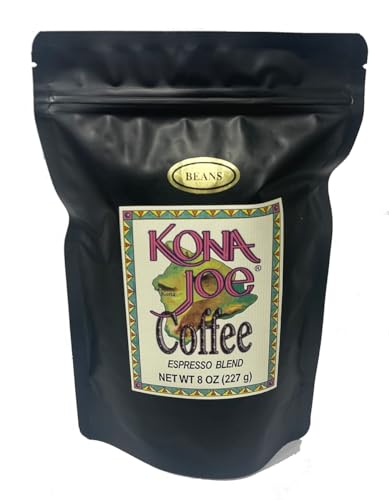
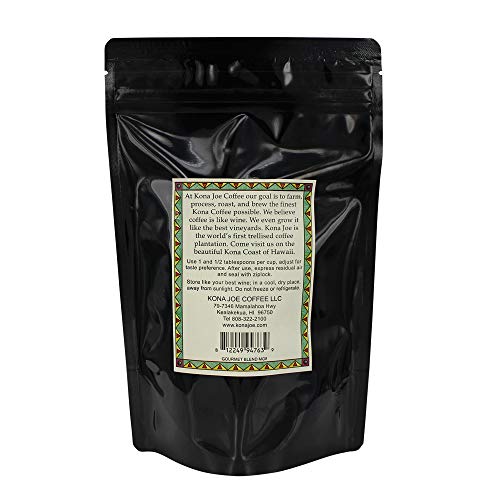
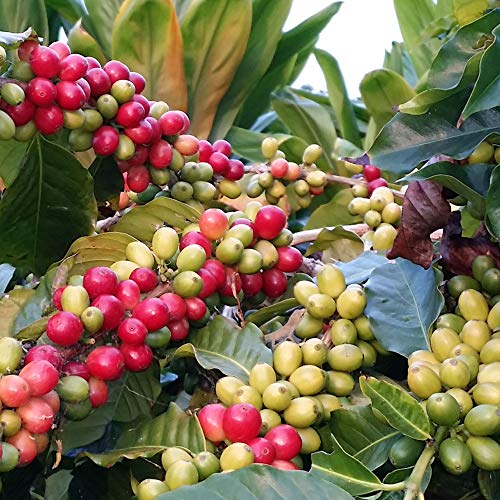
The Kona Joe Gourmet Espresso Coffee Blend, Whole Bean (8 oz) delivers a bold, rich, and deeply toasted flavor crafted through Kona Joe Coffee’s renowned trellis-grown method. This dark roast is roasted for 22 minutes, producing a robust espresso profile with notes of brown sugar and black licorice. Grown like fine wine grapes, the beans benefit from enhanced sweetness and uniform ripening. Combined with Kona Joe’s advanced harvesting technology and freshness-preserving packaging, this whole-bean blend offers an exceptional espresso experience for those who value craftsmanship in every cup.
For coffee lovers seeking bold, high-quality espresso, the Kona Joe Gourmet Espresso Whole Bean Blend stands out as one of the finest offerings from Kona Joe Coffee. This expertly crafted dark roast is produced using the world’s first trellis-grown coffee method—an innovation borrowed from the world of fine winemaking. By growing coffee on trellises, Kona Joe enhances bean sweetness, airflow, and sunlight exposure, resulting in exceptional flavor depth.
- Bold Flavor Profile: Deep, toasty notes with hints of brown sugar and black licorice.
- Trellis-Grown Advantage: Unique cultivation method enhances sweetness and bean quality.
- Whole Bean Freshness: Allows users to grind fresh for espresso or other brewing methods.
- Premium Price: Higher cost due to specialty growing and roasting methods.
- Small 8 oz Bag: May not last long for daily espresso drinkers.
- Dark Roast Intensity: May be too strong for those who prefer lighter roasts.
Kona Joe Gourmet Decaf Dark Roast Whole Bean Coffee (8 oz)
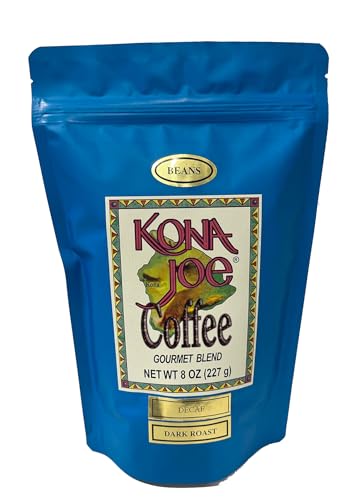
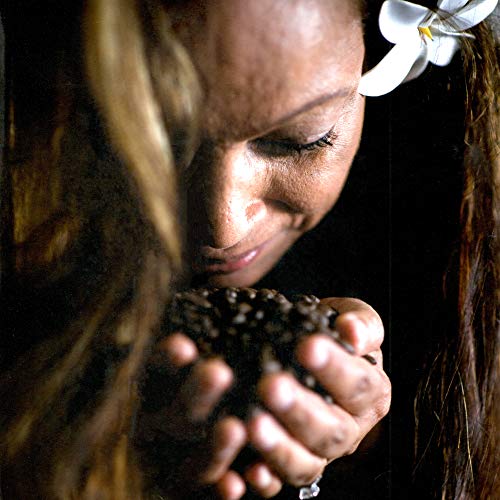
The Kona Joe Gourmet Decaf Dark Roast Whole Bean Coffee (8 oz) delivers a rich, bold, and full-bodied coffee experience without caffeine. Using a chemical-free Swiss Water process, the beans are naturally decaffeinated while retaining robust flavor, with notes of dark chocolate and molasses. Grown on Kona Joe’s exclusive trellis system—modeled after fine wine vineyards—these beans develop enhanced sweetness and complexity. Carefully harvested using advanced monitoring for pH, sugar, and acidity, this decaf blend preserves the quality and taste Kona Joe Coffee is known for. Packaged in a resealable bag with a gas valve, it ensures freshness and aroma for every cup.
The Kona Joe Gourmet Decaf Dark Roast Whole Bean Coffee is a standout choice for coffee enthusiasts who want the rich, full-bodied flavor of Kona coffee without the caffeine. Grown on the world’s first trellis system for Kona coffee, each bean receives optimal sunlight and airflow, resulting in enhanced sweetness, depth, and complexity.
- Rich Decaf Flavor: Bold, full-bodied taste with chocolate and molasses notes.
- Chemical-Free Decaffeination: Swiss Water process keeps beans 99% caffeine-free naturally.
- Trellis-Grown Quality: Unique growing method enhances sweetness, consistency, and aroma.
- Premium Price: Slightly higher than standard decaf coffees due to specialty methods.
- Small Bag Size: 8 oz may run out quickly for frequent coffee drinkers.
- Dark Roast Intensity: May be too strong for those who prefer lighter decaf blends.
Kona Joe Gourmet Dark Roast Ground Coffee (8 oz)

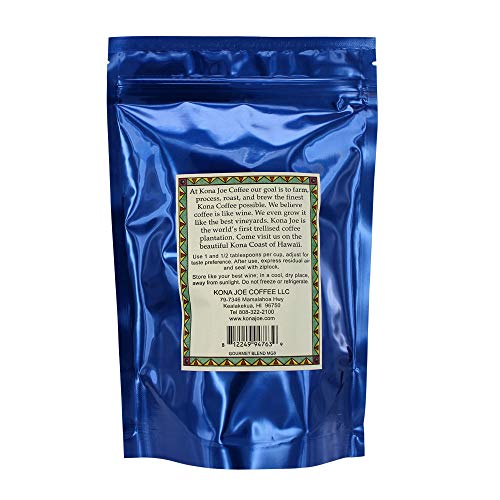
The Kona Joe Gourmet Dark Roast Ground Coffee (8 oz) offers a bold, full-bodied coffee experience for those who love robust flavors. Roasted for 19 minutes, this dark roast delivers rich notes of dark chocolate and molasses, providing a toasty and satisfying cup. Grown on Kona Joe’s innovative trellis system—modeled after fine wine vineyards—these coffee beans achieve enhanced sweetness, consistency, and flavor complexity. Advanced harvesting technology monitors pH, sugar concentration, and acidity to ensure every cup meets Kona Joe’s high standards. Packaged in a resealable bag with a gas valve, this ground coffee maintains its freshness and aroma for optimal enjoyment.
The Kona Joe Gourmet Dark Roast Ground Coffee is a premium choice for coffee enthusiasts seeking a bold, full-flavored cup. As part of the Kona Joe Coffee lineup, this dark roast is grown on a trellis system—the first of its kind for Kona coffee—allowing beans to develop enhanced sweetness and flavor complexity.
- Bold Flavor: Full-bodied dark roast with chocolate and molasses notes.
- Trellis-Grown Beans: Unique cultivation method enhances sweetness and quality.
- Freshness Guaranteed: Resealable bag with gas valve preserves aroma and flavor.
- Premium Price: Higher cost compared to standard dark roast coffees.
- Ground Coffee Only: No whole bean option in this listing.
- Strong Roast: May be too intense for those who prefer milder coffee.
The Revolutionary Trellis Method
What sets this coffee apart begins in the fields, where traditional coffee growing methods meet innovative viticultural techniques. The founder drew inspiration from a family vineyard in California’s Edna Valley, recognizing that principles of premium grape cultivation could transform coffee farming. The result was the first coffee ever to be grown like wine, utilizing a patented trellis system.
Traditional coffee plants grow as bushes, with cherries developing in shaded conditions beneath a canopy of leaves. The trellis method trains coffee trees to grow on wires, similar to grapevines. This architectural approach opens the plants to increased sunlight and improved air circulation. The enhanced environmental conditions accelerate cherry development and ripening while boosting natural sugar production within the fruit. The outcome is coffee with inherently sweeter characteristics and more nuanced flavor profiles.
The visual impact of the plantation reflects this unique approach. Rather than conventional rows of bushy coffee plants, the farm features orderly lines of trellised trees stretching across the volcanic slopes. This vineyard-like appearance has become a signature feature, attracting over 300,000 visitors who have toured the facility to witness this agricultural innovation firsthand.
Scientific Precision in Harvesting
While the trellis system provides the foundation, the harvest methodology ensures optimal quality. Most coffee farmers rely on visual cues, picking cherries when they turn from green to red. This operation employs a more rigorous scientific approach that removes guesswork from the equation.
Before any cherry is picked, technicians test samples for three critical metrics: pH level, sugar concentration, and titratable acid. This data reveals the precise chemical balance within each cherry, indicating the exact moment of peak maturity. Only when cherries achieve the ideal ratio of sweetness to acidity does hand-picking begin. This scientific precision ensures consistency across harvests and maximizes the potential for exceptional flavor in every batch.
The hand-picking process itself requires considerable skill and labor. Workers carefully select only those cherries that meet the established criteria, leaving unripe fruit to mature further. After harvesting, additional hand-sorting removes any cherries that may have been picked prematurely or show signs of defects. This double-verification system maintains the high standards necessary for premium coffee production.
The Roasting Experience
Beyond growing exceptional beans, the operation has developed expertise in roasting that brings out the best characteristics of their trellis-grown coffee. The roasting facility features both large commercial roasters and smaller artisanal equipment, allowing for various batch sizes and roast profiles.
Each roast level receives specific time and temperature treatment designed to highlight different flavor compounds. The medium roast, subjected to 17 minutes of roasting, produces a delicate cup with balanced sweetness. The dark roast spends 19 minutes in the roaster, developing deeper, more caramelized notes. The espresso blend undergoes the longest roasting at 22 minutes, creating the bold intensity required for concentrated espresso shots.
Visitors to the farm can participate directly in this process through hands-on roasting experiences. Under expert guidance, guests operate mini Italian-style drum roasters, controlling variables like time, temperature, airflow, and drum speed. This interactive element transforms coffee appreciation from passive consumption to active participation, deepening understanding of how roasting decisions impact final flavor.
Farm Tours and Visitor Experiences
The plantation offers multiple tour options catering to different levels of interest and time commitment. The self-guided experience allows casual visitors to explore at their own pace, viewing the trellis system, roasting room, and retail area while enjoying the panoramic ocean views from the property.
Guided tours provide more comprehensive education, with knowledgeable staff explaining the complete journey from seedling to cup. These experiences typically include a tasting session featuring multiple roast profiles and the signature chocolate products crafted on-site. The tours emphasize both the innovative agricultural techniques and the dedication to quality that defines the operation.
For the deeply committed coffee enthusiast, specialized experiences offer even more immersion. Some packages include extended time with agronomic engineers who discuss the scientific principles underlying the cultivation methods. Others provide opportunities to roast substantial quantities of coffee beans under professional supervision, allowing visitors to create customized roasts tailored to their preferences.
The facility itself occupies a dramatic location on the Hualalai slopes, offering views across the Kona coast to the Pacific Ocean. The combination of stunning scenery, educational content, and hands-on experiences has made the plantation a popular destination for tourists exploring the Big Island. The open-air lanai provides an ideal setting for savoring freshly brewed coffee while taking in the tropical landscape.
Organic and Sustainable Practices
Environmental stewardship plays a central role in the farming philosophy. The operation avoids herbicides and pesticides, relying instead on organic farming methods wherever practical. This commitment stems partly from the fact that the farm is also a family home, creating natural incentives to maintain a healthy, chemical-free environment.
The trellis system itself offers sustainability advantages. The improved air circulation reduces fungal diseases that commonly affect coffee plants, decreasing the need for chemical interventions. The elevated growing structure also simplifies harvest logistics, as workers can access cherries more easily than with traditional bush-style plants, reducing labor intensity and associated physical strain.
Coffee processing combines mechanical and sun-drying methods, balancing efficiency with traditional techniques. Once harvested and sorted, cherries undergo processing to remove the outer fruit and expose the green beans. These beans then dry in a controlled manner that preserves their quality characteristics. The processed beans are stored in breathable burlap bags within climate-controlled rooms maintaining humidity below 50 percent, protecting the beans from moisture damage while allowing them to breathe naturally.
The Kona Coffee Context
Understanding the significance of this operation requires appreciation for Kona coffee’s special status in the specialty coffee world. To be identified as Kona Coffee, the coffee must be grown within the North and South districts of Kona on the Big Island of Hawaii. Geographic specificity is crucial, as the unique combination of volcanic soil, altitude, climate, and cloud cover in these districts creates ideal growing conditions found nowhere else.
The coffee variety also matters. Authentic Kona coffee comes from Kona Typica, an Arabica varietal that has adapted to the region’s specific conditions over generations. This genetic heritage contributes to the distinctive flavor profile that makes Kona coffee recognizable to experienced tasters.
Within this already exceptional context, the trellis-grown beans represent a premium tier. The combination of ideal growing conditions, superior cultivation techniques, and precise harvesting creates coffee that stands out even among other high-quality Kona offerings. The international awards and recognition received over the years validate this distinctive position in the market.
Product Range and Availability
While the farm produces 100% Kona coffee, many products available through retail channels feature carefully crafted blends. These proprietary blends start with trellis-grown Kona beans as the foundation, then incorporate complementary Arabica coffees to create balanced profiles at more accessible price points. The blending approach allows more consumers to experience the trellis-grown method’s benefits while managing the premium costs associated with 100% Kona coffee.
The product line extends beyond traditional coffee offerings. Flavored coffee varieties provide options for those who enjoy added dimensions, with choices ranging from Tahitian Vanilla to Crème Brûlée. The farm also produces artisanal chocolates that complement their coffee offerings, along with a coffee rub seasoning designed for culinary applications on fish, chicken, and beef.
Each package includes thoughtful features that preserve freshness. The resealable bags incorporate gas valves that allow carbon dioxide to escape while preventing oxygen from entering, maintaining optimal conditions after opening. Storage recommendations emphasize keeping coffee in cool, dark locations without freezing or refrigeration, as temperature fluctuations and moisture exposure degrade quality.
Awards and Recognition
The innovation and quality have not gone unnoticed in the specialty coffee industry. The operation received the SCAA Blue Ribbon award for Best Roasted Coffee, a prestigious recognition from the Specialty Coffee Association of America. This organization represents thousands of coffee professionals, producers, and baristas globally, making their endorsement particularly meaningful within the industry.
Beyond formal awards, the farm has garnered international attention for its unique cultivation method. Articles, features, and media coverage have highlighted the trellis technique as a significant innovation in coffee agriculture. This recognition has helped establish the operation not just as a producer of fine coffee, but as a pioneer pushing the boundaries of what’s possible in coffee cultivation.
Customer testimonials consistently praise both the product quality and the visitor experience. Reviews frequently mention the smoothness of the coffee, the stunning views from the property, and the knowledge and friendliness of the staff. The combination of exceptional product and memorable experience has created loyal customers who return for repeated visits and recommend the plantation to others exploring the Big Island.
Family Heritage and Business Philosophy
The multigenerational family operation brings continuity and long-term thinking to the business. Rather than maximizing short-term profits, the family approach emphasizes sustainable practices, quality maintenance, and community relationships that will endure for decades. This perspective influences decisions about farming methods, environmental practices, and customer interactions.
The connection to winemaking heritage from the California vineyard adds another dimension to the operation’s identity. Wine and coffee share numerous parallels as agricultural products where terroir, processing methods, and careful handling dramatically impact final quality. Applying viticultural wisdom to coffee cultivation represents a cross-pollination of expertise that benefits both industries.
The small business nature of the operation allows for personalized attention and flexibility that larger corporate coffee producers cannot match. Visitors often interact directly with family members and long-term employees who possess deep knowledge about every aspect of production. This personal connection creates authentic experiences that resonate with consumers increasingly interested in knowing the origins and stories behind their food and beverages.
Brewing Recommendations
To fully appreciate the quality of this carefully grown and roasted coffee, proper brewing techniques matter. The ground coffee products work well with standard drip coffee makers, pour-over methods, and French presses. For drip brewing, a ratio of two tablespoons per six ounces of water provides a balanced starting point, adjustable to personal taste preferences.
Those purchasing whole bean varieties should grind immediately before brewing to preserve maximum freshness and aromatics. The grind size should match the brewing method: coarse for French press, medium for drip, and fine for espresso. Water quality also significantly impacts results, with filtered water generally producing cleaner-tasting coffee than heavily mineralized tap water.
Brewing temperature should fall between 195 and 205 degrees Fahrenheit. Water that’s too cool fails to extract sufficient flavor compounds, while water that’s too hot can over-extract bitter elements. Most quality coffee makers maintain appropriate temperatures automatically, but those using manual methods should monitor carefully.
For espresso preparations, the beans require specific handling. Proper tamping pressure, precise grind adjustment, and attention to extraction time all influence the final shot quality. The espresso blend has been formulated to produce balanced shots with rich crema when pulled correctly, serving as an excellent foundation for milk-based drinks while also standing well on its own.
Comparison with Other Hawaiian Coffees
Hawaii produces coffee on several islands, with each region offering distinct characteristics. Kona coffee from the Big Island represents the most famous and traditionally prestigious category, but Kauai, Maui, and Oahu also cultivate coffee with their own unique profiles. The trellis-grown approach distinguishes this operation even within the competitive Kona category.
Other Kona coffee producers maintain high quality standards and contribute to the region’s reputation. What differentiates the trellis method is the specific approach to cultivation rather than just location or varietal. The enhanced sunlight exposure and air circulation create measurable differences in cherry development and sugar concentration, translating to perceivable differences in the cup.
Price positioning reflects these distinctions. Pure 100% Kona coffee commands premium prices regardless of specific producer, reflecting the limited growing region and high production costs. Trellis-grown coffee occupies the upper range of this premium category. The blended products offer more accessible price points while still incorporating the distinctive characteristics of trellis cultivation.
The Economics of Premium Coffee
Understanding the pricing of specialty Hawaiian coffee requires recognition of the economics involved. Hawaii’s high cost of living translates directly to elevated production costs. Land prices, labor wages, and operational expenses all exceed those in traditional coffee-growing regions like Central America, South America, or Africa.
The trellis system adds additional costs beyond conventional Kona coffee production. The infrastructure investment for trellising equipment, the ongoing maintenance of the wire systems, and the specialized training required for workers all contribute to higher production expenses. The scientific testing of cherries before harvest adds another layer of cost that most producers avoid.
These factors explain why Hawaiian coffee generally, and this operation specifically, occupies premium price positions. The higher costs aren’t arbitrary markup but reflect genuine expenses associated with producing coffee in a developed nation with rigorous quality standards. For consumers, the question becomes whether the distinctive characteristics and experience justify the premium, a decision that depends on individual priorities and appreciation for specialty coffee.
Gift and Special Occasion Potential
The distinctive nature and premium positioning make these coffee products excellent choices for gifts. Coffee enthusiasts particularly appreciate receiving varieties they might not purchase for themselves, and the Hawaiian origin adds an element of exoticism and vacation association. The attractive packaging and the story behind the trellis method provide conversation value beyond just the coffee itself.
Corporate gifting represents another application. Companies seeking to impress clients or thank employees with memorable gifts find Hawaiian coffee fits the bill. The quality level signals thoughtfulness and generosity, while the family business story resonates with values many corporations wish to support. Bulk ordering options make this practical for larger gift programs.
Special occasions like holidays, housewarmings, and celebrations benefit from coffee gifts that combine practicality with premium quality. Unlike many gifts that might go unused, coffee gets consumed and appreciated regularly, keeping the giver in the recipient’s thoughts. The option to include multiple roast levels or flavored varieties allows customization to recipient preferences.
Conclusion
The innovative approach to coffee cultivation represents a significant contribution to specialty coffee’s ongoing evolution. By questioning conventional growing methods and applying insights from a different agricultural tradition, the operation has demonstrated that coffee farming still has room for meaningful innovation. The trellis technique has proven successful not just as a novelty but as a genuine improvement that produces measurably better coffee.
For consumers, this translates to access to distinctive Hawaiian coffee with characteristics not found in conventionally grown alternatives. The naturally sweet flavor profile, the careful quality control, and the dedication to sustainable practices create a product worth the premium positioning. Whether purchased as whole beans or ground, in bold dark roasts or delicate medium roasts, the coffee delivers a taste of Hawaiian innovation in every cup.
The visitor experience extends the value beyond just packaged coffee. Those able to tour the plantation gain insights into coffee agriculture that deepen appreciation for every cup they subsequently brew. The hands-on roasting experiences create memories and skills that last far beyond a typical coffee purchase.
As specialty coffee continues to grow in popularity and sophistication, operations that push boundaries and maintain uncompromising quality standards will increasingly stand out. This family plantation exemplifies how tradition and innovation can work together, honoring coffee’s agricultural heritage while embracing new methods that improve outcomes. The result is coffee that tells a story, represents a place, and delivers exceptional quality—everything specialty coffee should aspire to achieve.
Frequently Asked Questions
What makes trellis-grown coffee different from regular coffee?
Trellis-grown coffee plants are trained to grow on wire systems similar to grapevines, rather than as traditional bushes. This method increases sunlight exposure and air circulation around the plants, which accelerates cherry development and enhances natural sugar production. The result is coffee with inherently sweeter flavors and more complex taste profiles. The trellis system also reduces certain plant diseases and makes harvesting more efficient, though it requires higher initial investment and ongoing maintenance.
How should coffee products be stored for maximum freshness?
Coffee should be kept in a cool, dark place away from heat, light, moisture, and air exposure. The resealable bags with gas valves help maintain freshness after opening by allowing carbon dioxide to escape while keeping oxygen out. Contrary to common belief, coffee should not be frozen or refrigerated, as temperature fluctuations and moisture exposure degrade quality. Whole beans retain freshness longer than ground coffee, so grinding just before brewing produces the best results. Properly stored coffee maintains optimal flavor for several weeks after opening.
Are these coffee blends or 100% Kona coffee?
The product line includes both options. The farm grows 100% Kona coffee using the trellis method, which is available at the farm itself and through select channels. Many of the products available on Amazon and other retail platforms are proprietary blends that start with trellis-grown Kona beans as a base and incorporate complementary Arabica coffees. These blends provide access to the distinctive characteristics of trellis cultivation at more accessible price points than pure 100% Kona coffee, which commands premium prices due to limited growing area and high production costs.
Can visitors tour the coffee farm, and what does the experience include?
The plantation welcomes visitors daily and offers several tour options ranging from self-guided experiences to comprehensive guided tours. The typical guided tour includes walking through the trellised coffee fields, viewing the roasting facilities, learning about the scientific testing methods used for harvest timing, and tasting freshly brewed coffee. Some packages include hands-on roasting experiences where visitors operate mini drum roasters to create their own customized coffee. The property offers stunning ocean views and includes a gift shop with coffee, chocolates, and other products. Reservations are recommended for guided and roasting experiences.
Why is Hawaiian coffee more expensive than coffee from other origins?
Hawaiian coffee prices reflect the genuine costs of production in the United States rather than developing nations. Land costs, labor wages, and operational expenses in Hawaii significantly exceed those in traditional coffee-growing regions. Additionally, the limited growing area for Kona coffee creates supply constraints that impact pricing. The trellis method adds further costs through specialized infrastructure, maintenance, and labor-intensive scientific testing of cherries before harvest. While more expensive, Hawaiian coffee offers the assurance of U.S. agricultural standards, worker protections, and environmental regulations, along with the distinctive flavors produced by Hawaii’s unique terroir.