Blue Mountain Coffee: Excellence in Every Cup

*We may earn a commission for purchases made using our links. Please see our disclosure to learn more.
Blue Mountain coffee represents one of the world’s most coveted and luxurious coffee varieties, originating exclusively from the Blue Mountains region of Jamaica. This prestigious coffee grows only within a specific geographical boundary that encompasses approximately 6,000 acres across the Blue Mountain range. The elevation, combined with unique climate conditions and volcanic soil composition, creates an environment that produces coffee beans with distinctive characteristics unmatched by other growing regions worldwide.
The name derives directly from the mountain range’s location in the eastern part of Jamaica, where the peaks take on a bluish hue when viewed from a distance. This stunning geography is not merely aesthetic; it plays a crucial role in determining the coffee’s exceptional quality and premium pricing. The region’s consistent cloud cover, moderate temperatures, and abundant rainfall create ideal growing conditions that allow the coffee cherries to develop slowly and evenly, resulting in beans with complex flavor notes and superior quality.
The history of Blue Mountain coffee cultivation dates back to the 18th century when the first coffee trees were introduced to Jamaica. Over the centuries, local farmers perfected their techniques and established traditions that continue to define the coffee’s character. The commitment to quality over quantity has made Blue Mountain coffee synonymous with excellence and sophistication throughout the specialty coffee world.
“Coffee is a language in itself, and Blue Mountain speaks with the most refined accent.”
— Specialty Coffee Association of Jamaica
Key Takeaways
- Blue Mountain coffee originates from the Blue Mountains of Jamaica and is recognized globally as one of the world’s most premium and expensive coffee varieties.
- The unique terroir, including high altitude, rich volcanic soil, and consistent cloud cover, creates distinctive flavor profiles with smooth, mild characteristics and exceptional quality.
- Authentic Blue Mountain coffee carries the official Blue Mountain Certification mark and represents less than 1% of global coffee production.
- The specialty coffee maintains strict quality standards through careful cultivation, harvesting, and processing methods that have been refined over generations.
- Proper storage, brewing techniques, and understanding of authentic products are essential to maximizing the investment in this premium coffee experience.
Recommended Blue Mountain Coffee Products
Blue Mountain Coffee Premium Jamaican Classic


Experience the refined character of blue mountain coffee with this 100% Jamaica Blue Mountain medium roast, carefully ground for convenience and consistency. Sourced from the high-altitude farms of Jamaica’s Blue Mountains, these premium Arabica beans are known for their smooth body, balanced acidity, and moderately sweet finish.
Blue mountain coffee is widely regarded as one of the most prestigious and sought-after coffees in the world. Grown in the misty, high-elevation Blue Mountains of Jamaica, this rare Arabica variety develops slowly in cool climates, allowing its complex yet smooth flavor to fully mature.
- Authentic Origin: 100% Jamaica Blue Mountain coffee sourced from a globally recognized premium region.
- Smooth Flavor Profile: Medium roast delivers low bitterness, moderate sweetness, and balanced acidity.
- Organic Quality: Certified organic Arabica beans for a cleaner, more refined cup.
- Premium Price: Higher cost compared to standard specialty coffee options.
- Ground Format: Less flexible for those who prefer freshly grinding whole beans.
- Mild Intensity: Flavor may be too subtle for drinkers who prefer bold, dark roasts.
Magnum Exotics Coffee Blue Mountain Blend
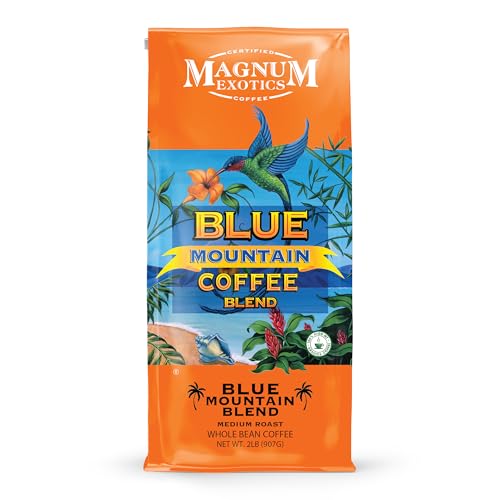


Enjoy the smooth character of blue mountain coffee in a more accessible, everyday format with Magnum Exotics Blue Mountain Blend. Crafted from 100% Arabica beans and roasted to a balanced medium-light profile, this whole bean coffee delivers a rich yet approachable cup with a clean finish and subtle sweetness.
Blue mountain coffee is renowned for its smooth body, mild acidity, and refined flavor profile. While authentic Jamaica Blue Mountain coffee is rare and premium-priced, Blue Mountain blends provide a more affordable way to enjoy its signature smoothness.
- Great Value: Affordable 2 lb bag offers blue mountain coffee flavor at a budget-friendly price.
- Whole Bean Freshness: Grind on demand for maximum aroma and flavor control.
- Smooth & Balanced: Medium-light roast delivers low bitterness and slight natural sweetness.
- Blend, Not 100% Origin: Not pure Jamaica Blue Mountain coffee.
- Medium-Light Profile: May be too mild for dark roast lovers.
- Less Complex: Flavor depth may be lighter compared to single-origin premium options.
1LB 100% Jamaica Blue Mountain Coffee
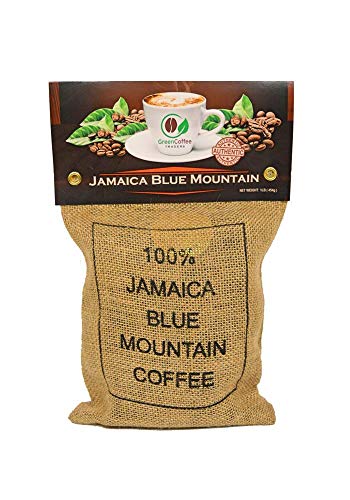
Indulge in authentic blue mountain coffee with this 100% Jamaica Blue Mountain whole bean offering from Green Coffee Traders. Sourced directly from Jamaica’s renowned Blue Mountain region, this specialty gourmet coffee is medium-dark roasted to enhance body while preserving the smooth, balanced character that defines true blue mountain coffee.
Blue mountain coffee is globally recognized for its smooth texture, balanced acidity, and refined flavor complexity. Grown in the cool, mist-covered elevations of Jamaica’s Blue Mountains, these beans develop slowly, allowing sugars and subtle flavor notes to mature fully.
- Authentic Origin: 100% Jamaica Blue Mountain coffee from a world-famous region.
- Whole Bean Freshness: Grind on demand for optimal aroma and flavor control.
- Balanced Medium-Dark Roast: Smooth body with mild sweetness and deeper cocoa notes.
- Short Shelf Life: Best enjoyed within 21 days for peak freshness.
- Premium Category Pricing: More expensive than standard specialty coffees.
- Medium-Dark Profile: May reduce some of the delicate brightness typical of lighter roasts.
Gold Coffee Blue Mountain Premium Blend


Indulge in authentic blue mountain coffee with this 100% Jamaica Blue Mountain whole bean offering from Green Coffee Traders. Sourced directly from Jamaica’s renowned Blue Mountain region, this specialty gourmet coffee is medium-dark roasted to enhance body while preserving the smooth, balanced character that defines true blue mountain coffee.
Blue mountain coffee is globally recognized for its smooth texture, balanced acidity, and refined flavor complexity. Grown in the cool, mist-covered elevations of Jamaica’s Blue Mountains, these beans develop slowly, allowing sugars and subtle flavor notes to mature fully.
- Authentic Origin: 100% Jamaica Blue Mountain coffee from a world-famous region.
- Whole Bean Freshness: Grind on demand for optimal aroma and flavor control.
- Balanced Medium-Dark Roast: Smooth body with mild sweetness and deeper cocoa notes.
- Short Shelf Life: Best enjoyed within 21 days for peak freshness.
- Premium Category Pricing: More expensive than standard specialty coffees.
- Medium-Dark Profile: May reduce some of the delicate brightness typical of lighter roasts.
The Terroir Advantage: Why Blue Mountain Stands Apart
Terroir is a French term that refers to the environmental conditions affecting a crop’s phenotype. In the context of Blue Mountain coffee, this concept is fundamental to understanding what makes it exceptional. The Blue Mountains sit at an elevation of 2,000 to 5,000 feet above sea level, which significantly impacts how the coffee plants grow and how the beans develop.
The volcanic soil in the Blue Mountain region contains minerals and nutrients that contribute to the coffee’s unique mineral notes and balanced acidity. This soil composition is the result of ancient volcanic activity that enriched the earth with essential elements. The consistent cloud cover throughout the year moderates temperature fluctuations, preventing extreme heat that could damage the delicate coffee plants. This natural protection allows the beans to mature slowly and develop deeper, more nuanced flavors.
The region experiences consistent rainfall distributed throughout the year, which eliminates the need for irrigation and ensures that the coffee plants receive optimal moisture. The combination of altitude, cloud cover, rainfall, and soil composition creates a microclimate that is virtually impossible to replicate elsewhere, even in other high-altitude coffee-growing regions.
Specialty coffee professionals often note that Blue Mountain coffee exhibits lower caffeine content compared to other varieties, but the flavor profile more than compensates for this difference. The smooth, mellow character, combined with subtle fruity and floral notes, distinguishes Blue Mountain from other single-origin coffees. Many describe the taste as refined, delicate, and well-balanced, with minimal bitterness or acidity.
Cultivation and Harvesting: Traditional Excellence
The cultivation of Blue Mountain coffee adheres to strict standards established by the Jamaican government and enforced by the Coffee Industry Board. These regulations ensure that only coffee grown within the designated Blue Mountain region can bear the official certification. Farmers in the region practice selective harvesting, picking only the ripe red cherries by hand, a labor-intensive process that ensures superior quality.
The altitude of the Blue Mountain region presents unique challenges for farmers. The steep terrain makes mechanized harvesting impossible, necessitating manual labor from skilled pickers who understand the nuances of selecting perfectly ripe cherries. This time-honored method preserves the integrity of the beans and contributes significantly to the final product’s quality. The harvesting season typically begins in August and extends through December, with peak production occurring in September and October.
After harvesting, the processing methods employed in the Blue Mountain region differ from those used in other coffee-producing nations. The washed processing method is predominant, wherein the cherry pulp is removed immediately, and the beans are fermented and thoroughly washed to remove any remaining fruit matter. This meticulous processing approach removes defects and ensures consistent quality throughout each batch.
The coffee is then dried slowly on traditional parchment beds, a process that can take several weeks. This patient approach to drying prevents the beans from developing off-flavors that might result from rapid drying methods. The green beans are then milled, sorted, and graded according to strict standards. Only beans that meet the highest quality criteria receive the Blue Mountain certification seal.
The Official Certification and Authentication
The official Blue Mountain Certification mark serves as a guarantee of authenticity and quality. This distinctive seal indicates that the coffee originated from the designated Blue Mountain growing region and has been processed according to established standards. The certification is not merely a marketing label; it represents the culmination of generations of expertise and commitment to excellence.
Understanding authentication is critical for consumers, as the premium pricing of genuine Blue Mountain coffee has incentivized counterfeit products. Authentic Blue Mountain coffee is packaged with the official certification mark clearly visible on the packaging. Reputable sellers provide documentation confirming the coffee’s authenticity and often include information about the specific harvest year.
The Jamaican government strictly regulates the use of the Blue Mountain designation, and unauthorized use constitutes fraud. The Coffee Industry Board maintains records of approved exporters and processors, ensuring that only legitimate products reach the market. Consumers should verify that their Blue Mountain coffee comes from a reputable seller and includes proper certification documentation.
Flavor Profile and Tasting Notes
The distinctive flavor profile of Blue Mountain coffee is characterized by smoothness, mild body, and exceptional balance. Professional tasters and coffee enthusiasts consistently describe Blue Mountain coffee as possessing subtle fruity notes, often with hints of chocolate, nutmeg, or almond. The acidity is mild and pleasant, contributing to the overall complexity without overwhelming the palate.
The flavor profile is influenced by the altitude, soil composition, and climate of the growing region, as well as the specific harvest year and processing methods employed. Some batches may exhibit more pronounced fruity characteristics, while others lean toward earthy or chocolate notes. This variability within the Blue Mountain designation reflects the natural diversity inherent in single-origin coffees.
The smoothness characteristic of Blue Mountain coffee makes it particularly suited to lighter roasts, which preserve the delicate flavor compounds developed during the growing and processing stages. Medium roasts also showcase the coffee’s complexity, allowing consumers to experience the full range of subtle notes. Darker roasts tend to mask some of the distinctive characteristics, making them less ideal for truly appreciating Blue Mountain’s premium quality.
Brewing method significantly impacts the tasting experience. Methods that allow for better extraction, such as pour-over or French press techniques, tend to highlight the coffee’s strengths. The clarity and brightness achieved through these methods enhance the perception of the subtle fruit and chocolate notes that define Blue Mountain coffee’s character.
Brewing Methods for Optimal Results
Different brewing methods extract the unique characteristics of Blue Mountain coffee in distinct ways. Pour-over methods, including Chemex and Hario V60 systems, allow for precise control over water temperature and extraction time, highlighting the coffee’s delicate fruity and chocolate notes. The clarity achieved through pour-over brewing enhances perception of the subtle flavors that distinguish Blue Mountain from other varieties.
French press brewing creates a fuller body and highlights the smoothness characteristic of Blue Mountain coffee. The immersion brewing method allows the beans to steep in hot water, extracting a broader range of flavor compounds. The resulting cup exhibits the coffee’s complexity while maintaining its signature mildness and balanced profile.
Espresso applications can be successful with Blue Mountain coffee, though the high-pressure brewing method and rapid extraction require careful calibration. The smoothness of Blue Mountain coffee can translate well to espresso when the grind size, water temperature, and extraction time are properly adjusted. However, many enthusiasts reserve Blue Mountain coffee for brewing methods that better preserve its distinctive characteristics.
Turkish and traditional immersion methods also suit Blue Mountain coffee, as they emphasize the smooth, mild nature of the beans. Regardless of the brewing method chosen, using fresh, filtered water at the correct temperature enhances the final result. The general recommendation is water temperature between 195 and 205 degrees Fahrenheit, slightly below boiling to prevent excessive extraction of bitter compounds.
Storage and Preservation
Proper storage is essential for maintaining the quality of Blue Mountain coffee and protecting the investment in these premium beans. The enemies of coffee freshness are oxygen, light, moisture, and temperature fluctuations. Exposure to these elements causes deterioration of the aromatic compounds and flavor notes that define Blue Mountain’s excellence.
Whole beans should be stored in airtight containers kept in a cool, dark location away from direct sunlight. The pantry or a dedicated coffee cabinet provides ideal conditions. Freezing can extend the shelf life of coffee, though repeated thawing and freezing creates condensation that compromises quality. If freezing is chosen, beans should be placed in airtight, freezer-safe containers and thawed completely before opening to prevent moisture accumulation.
Ground coffee has greater surface area exposed to air and degrades more rapidly than whole beans. For this reason, beans should be ground immediately before brewing to preserve maximum freshness and flavor. Pre-ground coffee should be used within two weeks of grinding for optimal taste.
The shelf life of Blue Mountain whole beans in proper storage conditions is approximately one month after the roast date for peak flavor. After this period, the coffee remains drinkable but gradually loses aromatic intensity. For consumers seeking the best possible experience, purchasing smaller quantities more frequently ensures consistent freshness.
Comparing Blue Mountain to Other Premium Coffees
While Blue Mountain holds a prestigious position in the specialty coffee world, other single-origin coffees offer distinct characteristics and merit consideration. Ethiopian Yirgacheffe coffees often feature brighter acidity and more pronounced fruity notes compared to the smoothness of Blue Mountain. Colombian coffees typically exhibit more body and chocolate-forward flavor profiles.
Hawaiian Kona coffee, another premium varietal, shares some characteristics with Blue Mountain, including altitudinal advantages and limited growing regions. Kona coffee tends toward slightly more acidity and different flavor notes, reflecting the distinct terroir of Hawaii. Both coffees command premium prices due to their rarity and cultivation challenges.
Kenyan AA coffees are prized for their complexity and pronounced fruity characteristics, offering a different sensory experience than Blue Mountain. The A-grade classification indicates larger bean size, but the flavor profile is distinctly different, emphasizing brightness and berry notes rather than the subtle smoothness of Blue Mountain.
The choice between Blue Mountain and other premium coffees often depends on personal flavor preferences and brewing methods. Blue Mountain’s smoothness and balance appeal to those seeking a refined, mellow experience, while other premium varieties might better serve consumers seeking more pronounced acidity or specific flavor characteristics.
The Premium Pricing Explained
The significantly higher price of Blue Mountain coffee compared to standard varieties reflects multiple factors beyond simple supply and demand economics. The limited growing region produces less than 1% of global coffee consumption, creating inherent scarcity. The strict regulations and quality standards mean that a substantial percentage of production fails to meet certification requirements and cannot be sold as Blue Mountain.
The labor-intensive harvesting and processing methods required in the Blue Mountain region contribute substantially to production costs. The manual selection of ripe cherries and the patient, traditional approach to drying and processing necessitate skilled labor, increasing expenses compared to mechanized operations in other regions.
Environmental factors also influence pricing. The altitude, cloud cover, and rainfall that make Blue Mountain coffee exceptional cannot be replicated elsewhere, and the investment required to establish and maintain agricultural operations in the challenging terrain of the Blue Mountains is considerable. These factors, combined with the prestige and desirability associated with the Blue Mountain name, justify the premium pricing.
Sustainability and Future Outlook
The Blue Mountain coffee industry faces environmental and economic challenges that will shape its future. Climate change impacts rainfall patterns and temperature consistency, potentially affecting the terroir that defines the region’s coffee. Jamaican coffee farmers are increasingly investing in sustainable practices designed to preserve the environment while maintaining productivity.
The economic pressures facing coffee farmers worldwide also affect the Blue Mountain region. Labor scarcity and rising wages increase production costs, making it more challenging for farmers to maintain profitability. Young people in Jamaica increasingly seek opportunities outside agriculture, threatening the availability of skilled labor necessary for the careful cultivation and harvesting that Blue Mountain coffee requires.
Despite these challenges, the prestige and premium pricing associated with Blue Mountain coffee provide economic incentives for continued investment in the region. The strict regulations and certification standards help protect the region’s reputation and ensure that authenticity remains a cornerstone of the product. The specialty coffee industry’s growing appreciation for single-origin coffees and sustainable practices supports the continued viability of Blue Mountain coffee production.
Conclusion
Blue Mountain coffee represents the pinnacle of specialty coffee excellence, offering a refined, sophisticated experience to those who appreciate quality and subtlety. The unique combination of altitude, climate, volcanic soil, and centuries of cultivated expertise creates a coffee that stands apart from all other varieties. The smooth, mellow character combined with delicate fruity and chocolate notes provides a sensory experience that justifies the premium pricing and explains the coffee’s enduring prestige.
For consumers seeking authentic Blue Mountain coffee, understanding the importance of certification, proper storage, and brewing methods ensures that the investment in this premium product yields the maximum enjoyment. The commitment to quality demonstrated by Blue Mountain coffee farmers and processors preserves a tradition of excellence that dates back generations. As the specialty coffee industry continues to evolve, Blue Mountain coffee maintains its position as the gold standard of single-origin coffees, representing the very best that coffee cultivation and processing can achieve.
Frequently Asked Questions
Q: How can I ensure that the Blue Mountain coffee I purchase is authentic?
A: Verify that the packaging includes the official Blue Mountain Certification mark and purchase from reputable, established specialty coffee retailers. Request documentation confirming the coffee’s origin and authenticity. Examine the packaging for signs of proper storage and check the roast date to ensure freshness. Authentic Blue Mountain coffee will be noticeably more expensive than regular coffee, and unusually low prices should raise suspicion. Research the seller’s reputation and look for customer reviews confirming authenticity.
Q: What is the recommended brewing method for Blue Mountain coffee?
A: Pour-over and French press methods are generally recommended for Blue Mountain coffee, as they emphasize the smooth, mild characteristics that define its excellence. Pour-over methods like Chemex or Hario V60 provide clarity and highlight subtle fruity notes. French press creates a fuller body while maintaining the coffee’s smoothness. Water temperature between 195 and 205 degrees Fahrenheit and fresh, filtered water are essential regardless of the brewing method chosen. Grind whole beans immediately before brewing to maximize freshness.
Q: Why is Blue Mountain coffee so expensive compared to other varieties?
A: The limited growing region produces less than 1% of global coffee production, creating inherent scarcity. Strict quality standards mean that much of the region’s production fails to meet certification requirements. Labor-intensive, manual harvesting and processing methods increase production costs significantly. The altitude, volcanic soil, and specific climate conditions that create the coffee’s exceptional quality cannot be replicated elsewhere. The prestige and global demand for Blue Mountain coffee support premium pricing that reflects these factors.
Q: How long does Blue Mountain coffee stay fresh after roasting?
A: Whole beans maintain peak flavor for approximately one month after the roast date when stored in airtight containers in a cool, dark location. After this period, the coffee remains drinkable but gradually loses aromatic intensity and flavor complexity. Ground coffee degrades more rapidly due to increased surface area and should be used within two weeks. Whole beans should be ground immediately before brewing to preserve maximum freshness. Proper storage conditions are essential for extending shelf life and maintaining quality.
Q: Can Blue Mountain coffee be used for espresso?
A: Yes, Blue Mountain coffee can be used for espresso, though many enthusiasts prefer brewing methods that better highlight its distinctive characteristics. Espresso requires careful calibration of grind size, water temperature, and extraction time to achieve optimal results. The smoothness of Blue Mountain coffee translates well to espresso when these variables are properly adjusted. However, the high-pressure extraction method may mask some of the subtle fruity and chocolate notes that distinguish Blue Mountain from other varieties. Experimenting with different espresso machines and settings can help identify optimal parameters for your equipment and taste preferences.