Lifeboost Coffee Reviews: Complete Guide
*We may earn a commission for purchases made using our links. Please see our disclosure to learn more.
The specialty coffee market has experienced remarkable growth over the past decade, with consumers increasingly seeking premium, health-conscious options that deliver both exceptional flavor and clean ingredients. Among the brands gaining significant attention is Lifeboost Coffee, a company that has positioned itself at the intersection of quality, health, and sustainability. This comprehensive analysis explores what makes this brand stand out in a crowded marketplace, examining everything from sourcing practices to taste profiles and customer satisfaction.
Understanding the nuances of specialty coffee can be challenging, particularly when marketing claims abound and price points vary dramatically. This article cuts through the noise to provide an objective assessment based on product specifications, customer experiences, and industry standards. Whether considering a first purchase or evaluating whether the premium price justifies the product, readers will find the information needed to make an informed decision.
“Specialty coffee represents more than a morning ritual—it embodies a connection to specific places, people, and agricultural practices that shape flavor in ways industrial production cannot replicate.”
— Specialty Coffee Association, Quality Standards Report
Key Takeaways
- Lifeboost Coffee sources single-origin, shade-grown beans from Nicaragua with USDA organic certification
- The coffee undergoes third-party testing for mycotoxins, heavy metals, and over 400 potential toxins
- Customer feedback consistently highlights smooth, low-acid taste profiles with minimal digestive discomfort
- Premium pricing ranges from $20-$30 per 12-ounce bag, positioning it in the specialty coffee category
- The company emphasizes sustainability through shade-grown practices and fair trade principles
- Available roast levels include light, medium, and dark to accommodate different taste preferences
- Subscription options offer modest discounts compared to one-time purchases
Recommended Lifeboost Coffee Products
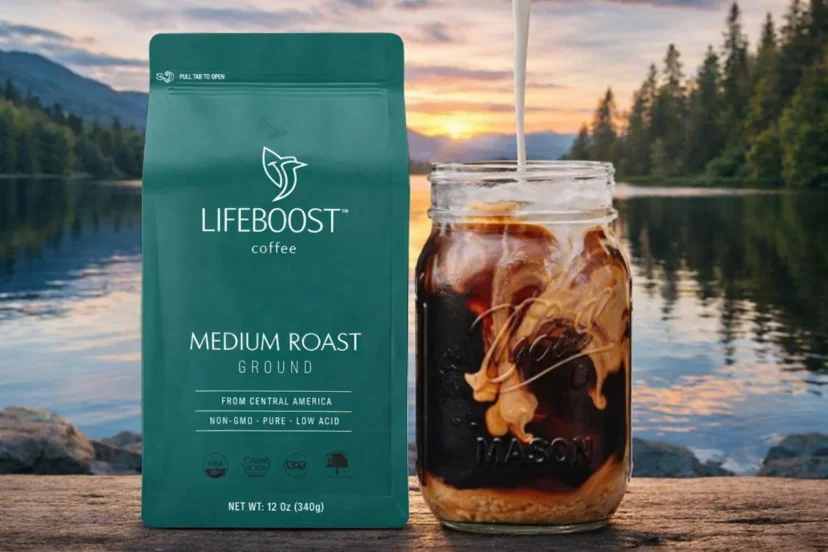
Lifeboost Organic Coffee Beans Medium Roast


Lifeboost Organic Coffee Beans Medium Roast is a premium low-acid, single-origin whole bean coffee designed for coffee lovers who want rich flavor without stomach discomfort. Grown at high elevations in the mountains of Central America, these USDA Organic and Non-GMO beans are shade-grown, bird-friendly, and hand-selected for quality. What sets Lifeboost apart in many lifeboost coffee reviews is its third-party testing for mycotoxins, pesticides, and heavy metals, ensuring a clean and smooth cup. With a balanced medium roast, this coffee delivers a naturally sweet, rich taste while remaining gentle on the stomach and teeth.
When researching lifeboost coffee reviews, one of the most highlighted features is its commitment to quality and health-conscious coffee drinkers. Lifeboost Organic Coffee Beans Medium Roast offers a low-acid profile that makes it ideal for people with sensitive stomachs, acid reflux, or dental concerns. The beans are grown in high-altitude farms, washed with spring water, and sun-dried to preserve their natural flavor and antioxidants.
- Low Acid Formula: Helps reduce stomach irritation and acid reflux compared to regular coffee.
- Certified Clean Beans: Third-party tested for toxins, pesticides, and heavy metals.
- Smooth Medium Roast Flavor: Balanced taste with no bitter aftertaste.
- Premium Price: More expensive than standard grocery store coffee brands.
- Whole Bean Only Option: Requires a grinder for best results.
- Limited Availability: Mostly sold online, not widely found in local stores.
Lifeboost Dark Roast Ground Coffee


Lifeboost Dark Roast Ground Coffee is a premium low-acid, single-origin coffee crafted for those who enjoy bold flavor without the harsh acidity. Sourced from high-elevation farms in the mountains of Central America, this USDA Organic and Non-GMO dark roast is shade-grown, bird-friendly, and carefully processed using spring water washing and sun drying. Many lifeboost coffee reviews highlight its smooth yet rich dark roast taste, making it ideal for coffee drinkers with sensitive stomachs or acid reflux. What truly sets Lifeboost apart is its third-party testing for mycotoxins, pesticides, and heavy metals, ensuring a clean and safe cup every time.
In many lifeboost coffee reviews, the Dark Roast Ground Coffee stands out for delivering strong, full-bodied flavor while remaining gentle on digestion. Unlike conventional dark roasts that tend to be highly acidic and bitter, Lifeboost uses carefully sourced high-altitude beans that naturally reduce acidity without sacrificing taste. The result is a smooth, rich cup with deep roasted notes and no harsh aftertaste.
- Low Acid Dark Roast: Bold flavor without stomach irritation or tooth sensitivity.
- Ground Coffee Convenience: Ready to brew with no grinder needed.
- Third-Party Tested: Screened for toxins, pesticides, and heavy metals.
- Higher Price Point: Costs more than standard dark roast coffee brands.
- Limited Roast Variety: Fewer flavor options compared to mass-market coffees.
- Online Availability: Primarily sold online rather than in local stores.
Lifeboost Medium Roast Low Acid Coffee K Cups


Lifeboost Medium Roast Low Acid Coffee K-Cups offer a convenient way to enjoy smooth, stomach-friendly coffee without sacrificing flavor. Made from single-origin, USDA Organic, and Non-GMO beans grown at high elevations in the mountains of Central America, these pods deliver a balanced medium roast with low acidity. Many lifeboost coffee reviews praise these K-cups for their clean taste, ethical sourcing, and compatibility with Keurig and Keurig 2 machines. Each batch is sun-dried, spring-water washed, and third-party tested for mycotoxins, pesticides, and heavy metals, making it a safer option than standard coffee pods.
Across many lifeboost coffee reviews, the Medium Roast K-Cups stand out for combining convenience with premium quality. Unlike most single-serve coffee pods that are high in acidity and bitterness, Lifeboost’s low-acid formula provides a well-rounded, smooth taste that’s easier on digestion. The medium roast offers a balanced flavor profile that appeals to both casual coffee drinkers and those sensitive to acidic coffee.
- Low Acid Coffee Pods: Gentle on the stomach and teeth with a smooth medium roast flavor.
- Keurig Compatible: Works with Keurig and Keurig 2 machines for quick brewing.
- Certified Clean & Organic: USDA Organic and third-party tested for toxins.
- Higher Cost Per Cup: More expensive than regular K-cup coffee brands.
- Smaller Box Size: 10-count pack may run out quickly for daily drinkers.
- Limited Local Availability: Mostly available online rather than in stores.
Lifeboost Organic Espresso Beans Whole


Lifeboost Organic Espresso Beans Whole are crafted for espresso lovers who want bold flavor without the harsh acidity. These USDA Organic, Non-GMO, single-origin Arabica beans are grown at high elevations in the mountains of Nicaragua, where shade-grown conditions naturally slow bean development for richer flavor and higher caffeine content. In many lifeboost coffee reviews, this espresso blend is praised for its smooth crema, deep dark roast profile, and clean finish. Each batch is third-party tested for mold, mycotoxins, pesticides, and heavy metals, making it a safer and more refined choice for home espresso brewing.
When exploring lifeboost coffee reviews, the Organic Espresso Whole Bean option consistently stands out for quality and purity. Unlike many espresso beans that rely on aggressive roasting to mask defects, Lifeboost sources high-altitude, shade-grown Arabica beans that naturally develop complex flavor before roasting. The result is a dark roast espresso that’s bold, smooth, and low in acidity, with a clean finish and strong caffeine kick.
- True Espresso Flavor: Bold, rich taste with smooth crema ideal for espresso machines.
- Naturally Low Acid: Gentle on the stomach despite its dark roast intensity.
- Certified Clean Beans: USDA Organic and third-party tested for toxins and mold.
- Premium Pricing: More expensive than standard espresso beans.
- Whole Bean Only: Requires a quality grinder for best espresso results.
- Dark Roast Profile: May be too intense for light or medium roast drinkers.
The Lifeboost Coffee Origin Story and Philosophy
The foundation of any coffee brand rests on its sourcing practices and core values. Lifeboost Coffee emerged from a focus on health-conscious consumption, recognizing that many coffee drinkers experience adverse effects from conventional options. The company’s founder reportedly struggled with digestive issues and energy crashes related to coffee consumption, prompting a search for cleaner alternatives.
This personal journey evolved into a business model centered on purity testing and sustainable sourcing. The brand partners with small farms in Nicaragua, specifically in the mountainous regions where elevation, climate, and soil composition create optimal growing conditions. These high-altitude environments naturally produce beans with complex flavor profiles and reduced bitterness.
The shade-grown cultivation method employed by partner farms represents a significant differentiator. Unlike sun-grown coffee, which often requires deforestation and intensive chemical inputs, shade-grown practices preserve forest canopy and biodiversity. This approach also allows beans to mature more slowly, developing richer flavors and higher nutrient density. The environmental benefits extend beyond the farms themselves, supporting bird populations and reducing erosion.
Processing and Purity Standards
One of the most distinctive aspects of Lifeboost Coffee involves its testing protocols. The company subjects beans to third-party laboratory analysis checking for mycotoxins, which are toxic compounds produced by molds that can contaminate coffee during improper storage or processing. While mycotoxin presence in coffee remains a debated topic within the industry, some consumers report sensitivity to these compounds.
Beyond mycotoxin testing, the screening process examines heavy metals, pesticides, and hundreds of additional potential contaminants. This comprehensive approach addresses concerns that many health-conscious consumers harbor about agricultural products. The USDA organic certification provides additional assurance that synthetic pesticides and fertilizers were not used during cultivation.
The roasting process occurs in small batches to ensure consistency and prevent over-roasting, which can destroy delicate flavor compounds and beneficial antioxidants. This artisanal approach contrasts with large-scale commercial roasting, where efficiency often takes precedence over nuance. The company roasts to order when possible, ensuring maximum freshness upon delivery.
Water processing for decaffeinated options avoids chemical solvents, using only water and activated charcoal to remove caffeine. This method preserves more of the coffee’s original flavor profile compared to conventional decaffeination processes. For consumers avoiding caffeine due to sensitivity or health conditions, this represents a significant quality factor.
Flavor Profile and Roasting Options
Taste remains subjective, but certain characteristics consistently emerge in customer feedback. The low-acid nature of Lifeboost Coffee receives frequent mention, with many reviewers noting gentler effects on stomach comfort compared to other brands. This reduced acidity results from both the bean variety selected and the roasting approach employed.
The light roast option preserves more of the bean’s original characteristics, delivering bright, nuanced flavors with fruity or floral notes. Caffeine content remains highest in this roast level, as the shorter roasting time preserves more of the naturally occurring compound. Light roasts suit those who appreciate complexity and don’t mind higher acidity, though Lifeboost’s testing suggests acidity remains lower than typical light roasts.
Medium roast represents the middle ground, balancing origin characteristics with developed roast flavors. This roast level tends to showcase chocolate, nut, and caramel notes while maintaining some brightness. Many customers find medium roast the most approachable option, offering familiarity without sacrificing the distinct qualities that premium beans provide.
Dark roast delivers bold, robust flavors with pronounced body and minimal acidity. The extended roasting time caramelizes sugars and creates deeper, smokier notes. While some coffee purists argue that dark roasting masks bean quality, Lifeboost’s dark roast maintains smoothness without the harsh bitterness sometimes associated with over-roasted coffee. Caffeine content sits slightly lower than lighter roasts due to degradation during extended heating.
Customer Experience and Satisfaction Patterns
Analyzing customer feedback across multiple platforms reveals consistent themes. The most frequent positive comments address digestive comfort, with numerous reviewers reporting they can drink Lifeboost Coffee without the stomach upset or acid reflux experienced with other brands. This benefit appears particularly significant for individuals with sensitive digestive systems or those who previously limited coffee consumption due to discomfort.
Taste satisfaction ratings trend high, with appreciation for smoothness and lack of bitterness dominating reviews. Customers transitioning from commodity coffee often express surprise at the flavor difference, noting they can drink Lifeboost black without adding cream or sugar to mask unpleasant notes. For longtime specialty coffee drinkers, reviews suggest the quality compares favorably to other premium offerings.
Energy levels and crash patterns represent another common discussion point. Multiple reviewers describe more sustained energy without the jittery feeling or afternoon crashes sometimes associated with coffee consumption. While individual caffeine sensitivity varies widely, the consistent feedback suggests the combination of bean quality and processing methods may influence how the body metabolizes the coffee.
Price sensitivity emerges as the primary criticism in customer feedback. At roughly double the cost of grocery store premium brands, Lifeboost Coffee requires a meaningful budget commitment for regular consumption. Some reviewers conclude the benefits justify the expense, while others find the price difference excessive for what they perceive as incremental improvement.
Packaging and freshness receive generally positive marks, with customers noting vacuum-sealed bags and clear roast dates. The option to purchase whole bean versus ground accommodates different preparation preferences, though whole bean maintains freshness longer. Subscription services offer convenience and modest discounts, appealing to those who consume coffee regularly and prefer automatic delivery.
Health Considerations and Nutritional Aspects
The health claims surrounding specialty coffee deserve careful examination. Coffee naturally contains antioxidants, particularly chlorogenic acid, which may offer various health benefits including improved insulin sensitivity and reduced inflammation. The specific antioxidant content varies based on bean variety, growing conditions, and roasting level, with lighter roasts generally preserving more of these compounds.
The low-acid marketing emphasizes reduced pH levels compared to typical coffee. For individuals with acid reflux, gastritis, or sensitive stomachs, lower acidity can make a meaningful difference in tolerability. However, coffee’s effects on digestion involve multiple factors beyond pH, including oils, compounds released during roasting, and individual physiology.
Mycotoxin testing addresses a concern that, while debated, matters to certain consumers. The scientific consensus suggests that mycotoxin levels in properly processed and stored coffee pose minimal health risk for most people. However, individuals with mold sensitivity or compromised immune systems may benefit from products that specifically test for these compounds.
The organic certification ensures absence of synthetic pesticide residues, which particularly matters for products consumed daily. While conventional coffee generally tests within safe limits for pesticide residues, organic certification provides additional assurance for those prioritizing reduced chemical exposure. The environmental benefits of organic farming extend beyond personal health to ecosystem preservation.
Caffeine content in Lifeboost Coffee falls within normal ranges for specialty coffee, varying by roast level and brewing method. A standard 8-ounce cup contains approximately 95-200 mg of caffeine depending on preparation. Those sensitive to caffeine or advised to limit intake for medical reasons should consider the decaf option or moderate consumption accordingly.
Sustainability and Ethical Sourcing
The environmental and social impact of coffee production has gained increasing consumer attention as awareness of agricultural practices grows. Lifeboost Coffee’s shade-grown model supports biodiversity by maintaining forest canopy that provides habitat for migratory birds and other wildlife. This contrasts sharply with sun-grown monoculture coffee, which often involves clear-cutting forests and creating biological deserts.
The company’s partnership with Nicaraguan farmers emphasizes fair compensation and long-term relationships rather than exploitative spot-market transactions. While not formally Fair Trade certified through specific organizations, the company claims to pay above-market rates and invest in farming communities. The specifics of these arrangements remain less transparent than third-party certifications would provide, leaving some ambiguity about the concrete benefits to farmers.
Water conservation practices during processing help minimize environmental impact in regions where water resources face stress. Traditional wet processing methods consume significant water and can pollute local waterways if wastewater isn’t properly managed. More sustainable processing approaches reduce water usage and implement treatment systems to prevent contamination.
Carbon footprint considerations include both farming practices and shipping logistics. Shade-grown coffee sequesters more carbon than sun-grown alternatives, as the preserved trees absorb atmospheric CO2. However, the international shipping required to transport beans from Nicaragua to North American consumers carries its own environmental cost. Some specialty coffee companies offset shipping emissions, though this practice isn’t universal.
The single-origin sourcing provides traceability and accountability but also concentrates risk. Weather events, political instability, or agricultural challenges in one region can disrupt supply entirely. Diversified sourcing across multiple origins might offer more supply chain resilience, though it complicates the “single-origin” marketing narrative that appeals to specialty coffee consumers.
Brewing Recommendations and Preparation Methods
Optimal brewing techniques significantly impact the final cup quality, regardless of bean quality. For Lifeboost Coffee, the company recommends starting with filtered water heated to 195-205°F, the ideal temperature range for extraction. Water quality matters considerably, as chlorine, minerals, and other compounds in tap water can affect taste.
The coffee-to-water ratio serves as another critical variable, with 1:16 (one gram coffee to sixteen grams water) providing a balanced starting point. Adjusting this ratio allows customization based on preference, with more coffee creating stronger, more concentrated brews. Weighing both coffee and water produces more consistent results than volumetric measurements.
Grind size must match the brewing method, with finer grinds suited to espresso and coarser grinds optimal for French press or cold brew. For drip coffee makers, a medium grind works best, allowing proper extraction without over-extraction that creates bitterness. Grinding immediately before brewing preserves volatile aromatic compounds that dissipate quickly once beans are ground.
Pour-over methods like Chemex or V60 allow precise control over variables and showcase the nuanced flavors that specialty coffee offers. The manual process requires more attention than automatic drip brewing but rewards effort with clarity and brightness in the cup. These methods particularly suit light and medium roasts where complexity deserves highlighting.
Cold brew preparation offers an alternative that emphasizes smoothness and reduces acidity naturally. Steeping coarsely ground coffee in cold water for 12-24 hours produces concentrated coffee that can be diluted to taste. This method works exceptionally well with Lifeboost Coffee given its already low-acid profile, creating an ultra-smooth result.
Espresso preparation demands specific equipment and technique but unlocks intensity and body that other methods cannot match. The concentrated shot showcases both the coffee’s strengths and any weaknesses, making high-quality beans essential. Lifeboost Coffee’s medium and dark roasts work particularly well for espresso, providing the necessary body and low acidity to balance the intense extraction.
Comparing Value Propositions in Specialty Coffee
The specialty coffee market offers numerous options at various price points, making direct comparison valuable for purchase decisions. At approximately $20-$30 per 12-ounce bag, Lifeboost Coffee sits firmly in the premium segment. This pricing exceeds grocery store brands by 2-3x and matches or slightly exceeds other specialty roasters.
Third-wave coffee shops and artisan roasters typically charge similar amounts for single-origin, small-batch roasted beans. However, these local roasters may offer fresher coffee due to shorter time from roasting to consumption. The tradeoff involves convenience and accessibility, as local roasters require visiting specific locations or navigating individual websites.
Subscription services from various specialty roasters provide comparable quality with discovery benefits, introducing customers to different origins and roasting styles. These services typically match Lifeboost’s pricing but offer variety rather than consistency. The choice between these models depends on whether a customer prefers finding one trusted option or exploring different coffees regularly.
The testing protocols that Lifeboost emphasizes add value for health-conscious consumers but may matter less to those without specific sensitivities. Many organic, specialty coffees meet high quality standards without marketing extensive testing protocols. The question becomes whether peace of mind regarding contaminants justifies potential price premiums.
Bulk purchasing and larger bag sizes from some competitors offer better per-ounce pricing for high-volume consumers. However, coffee freshness degrades over time, making huge quantities counterproductive unless consumption matches supply. The optimal purchase size balances cost efficiency with maintaining peak flavor.
Storage and Freshness Maintenance
Preserving coffee quality after purchase requires proper storage practices. Whole beans maintain freshness significantly longer than ground coffee, as the reduced surface area slows oxidation and aromatic compound loss. For maximum quality, grinding immediately before brewing provides noticeable flavor improvements.
Airtight containers protect coffee from oxygen exposure, the primary driver of staleness. Opaque containers offer additional protection from light, which can degrade coffee quality over time. While the original packaging provides adequate protection if resealed properly, dedicated coffee storage containers optimize freshness.
Temperature stability matters considerably, with cool, consistent storage preferred over areas subject to temperature fluctuations. However, refrigeration or freezing remains controversial within the coffee community. Some experts argue that cold storage preserves freshness, while others contend that condensation from temperature changes introduces moisture that damages beans.
The practical freshness window for whole bean coffee extends roughly 2-4 weeks after roasting for peak quality, though properly stored beans remain drinkable for months. The degassing period immediately after roasting means coffee often tastes best 3-10 days post-roast rather than immediately. This window allows CO2 release while oxidation remains minimal.
Ground coffee deteriorates much faster, with noticeable quality loss within days. For those who must purchase pre-ground coffee due to equipment limitations, smaller quantities purchased more frequently preserve quality better than large bags that require weeks to consume.
The Verdict on Quality and Value
Assessing whether Lifeboost Coffee delivers sufficient value requires weighing multiple factors against individual priorities. The product unquestionably offers high-quality, carefully sourced coffee with testing protocols that exceed industry norms. For consumers prioritizing purity, low acidity, and sustainable sourcing, the offering aligns well with these values.
The taste quality meets specialty coffee standards, with smoothness and lack of bitterness standing out as consistent strengths. Customer satisfaction trends positive, particularly among those who previously experienced digestive issues with other coffees. The various roast options accommodate different preferences while maintaining the core quality characteristics.
Price remains the primary barrier, placing this coffee out of reach for budget-conscious consumers or those who consume large quantities daily. The cost-benefit calculation depends heavily on individual circumstances, including both financial resources and the importance placed on the specific benefits Lifeboost offers.
For occasional coffee drinkers or those treating coffee as a daily luxury rather than simple caffeine delivery, the premium pricing may feel justified. Regular consumers drinking multiple cups daily face a more challenging calculation, as the annual cost difference between Lifeboost and mid-range options becomes substantial.
The health benefits, while not miraculous, provide meaningful value for specific populations. Those with acid reflux, sensitive stomachs, or concerns about agricultural chemicals may find the reduced symptoms and peace of mind worth the investment. For individuals without these concerns, the incremental benefit over other high-quality organic coffees may not justify the premium.
Conclusion
Lifeboost Coffee occupies a distinctive position in the specialty coffee landscape, combining rigorous testing protocols with sustainable sourcing and consistent quality. The product delivers on its core promises of smooth, low-acid coffee that many customers find gentler on their digestive systems while maintaining the complex flavors that coffee enthusiasts appreciate.
The premium pricing strategy reflects genuine quality differences compared to commodity coffee but requires customers to weigh whether specific benefits align with personal priorities and budgets. For those who value organic certification, mycotoxin testing, and shade-grown sourcing practices, the brand offers a compelling option that integrates health consciousness with environmental responsibility.
Customer feedback suggests high satisfaction among those who prioritize quality over price and particularly among individuals who struggled with digestive issues from other coffees. The consistency of positive reviews regarding smoothness and stomach comfort indicates these benefits represent genuine differentiators rather than marketing claims alone.
Ultimately, the decision to purchase Lifeboost Coffee depends on individual circumstances, preferences, and values. Those exploring specialty coffee for the first time might consider starting with a single bag to evaluate whether the taste and physical effects justify the cost for their situation. Regular specialty coffee drinkers may find it comparable to other premium options they already enjoy, with the testing protocols providing additional assurance.
The broader specialty coffee market offers abundant excellent options across various price points, sourcing models, and flavor profiles. Lifeboost Coffee represents one approach to delivering quality, distinguished by its emphasis on purity testing and health-conscious positioning. Whether it represents the optimal choice depends entirely on what each individual coffee drinker values most in their daily cup.
Frequently Asked Questions
What makes Lifeboost Coffee different from other organic coffee brands?
The primary differentiators involve third-party testing for mycotoxins, heavy metals, and contaminants beyond what organic certification requires. The company also emphasizes single-origin Nicaraguan beans from shade-grown farms and small-batch roasting to order. While many organic coffee brands offer high quality, the extensive testing protocols represent Lifeboost’s most distinctive feature for health-conscious consumers.
Does low-acid coffee actually help with digestive issues?
Many consumers with acid reflux, gastritis, or sensitive stomachs report improved comfort when switching to low-acid coffee options. The reduced pH level can minimize irritation to the stomach lining and esophagus. However, individual responses vary, and coffee’s effects on digestion involve multiple factors including compounds beyond just acidity. Those with persistent digestive issues should consult healthcare providers rather than relying solely on coffee selection to manage symptoms.
How long does Lifeboost Coffee stay fresh after opening?
Whole bean coffee maintains peak quality for approximately 2-4 weeks after roasting when stored properly in an airtight, opaque container away from heat and moisture. Pre-ground coffee deteriorates more rapidly, with noticeable quality loss within days to a week. The roast date on packaging helps determine freshness window. While coffee remains safe to consume for months, flavor complexity and aroma diminish progressively over time.
Is the mycotoxin testing necessary for most coffee drinkers?
For most healthy individuals, mycotoxin levels in properly processed and stored coffee pose minimal health risk according to scientific research. However, people with mold sensitivity, compromised immune systems, or specific health conditions may benefit from products specifically tested for these compounds. The testing provides peace of mind for health-conscious consumers even if the practical health impact remains debated within the medical and coffee communities.
Can Lifeboost Coffee be used in espresso machines?
The coffee works well in espresso machines, particularly the medium and dark roast options which provide the body and low acidity desirable for concentrated espresso shots. The bean quality supports the intense extraction process without introducing excessive bitterness or sourness. Proper grind size adjustment specific to the espresso machine and fresh grinding immediately before use optimize results. The light roast can also be used for espresso but may produce brighter, more acidic shots that suit specific taste preferences.