Low Acid Coffee Brands

*We may earn a commission for purchases made using our links. Please see our disclosure to learn more.
For millions of coffee lovers worldwide, the morning ritual of brewing a fresh cup is non-negotiable. However, traditional coffee’s high acidity can trigger uncomfortable digestive issues, acid reflux, and tooth enamel erosion for many people. This challenge has sparked growing interest in low acid coffee alternatives that deliver the beloved flavor without the harsh side effects.
Low acid coffee isn’t just a trend—it’s a solution for those who want to enjoy their daily brew without compromising their health or comfort. Whether dealing with sensitive stomachs, acid reflux, or simply seeking a smoother cup, understanding what makes coffee acidic and which brands offer gentler alternatives can transform the coffee-drinking experience.
“Low acid coffees can have a pH that is up to 60% less acidic than regular coffee, making them significantly gentler on the digestive system while maintaining the rich flavors coffee lovers expect.”
— Journal of Food Science
Key Takeaways
- Low acid coffee contains significantly less acid than regular coffee, making it gentler on the stomach and teeth
- The acidity level in coffee is influenced by bean origin, roasting process, and brewing method
- Dark roasts typically contain less acid than light roasts due to longer roasting times
- Cold brew naturally produces lower acid levels compared to hot brewing methods
- Specialty low acid coffee brands use specific processing techniques to reduce acidity while maintaining flavor
- People with GERD, IBS, or sensitive stomachs can benefit most from switching to low acid varieties
- Quality low acid coffee can taste just as rich and flavorful as traditional coffee when properly processed
Recommended Low Acid Coffee Products
1. Puroast Low Acid Coffee


Puroast Coffee introduces its Low Acid Coffee Ground in the Premium Mocha Java blend, catering to coffee enthusiasts seeking a smoother, stomach-friendly experience. Crafted as a medium roast with a pH of 5.5+, this blend specifically targets individuals coping with heartburn, acid reflux, or gastrointestinal sensitivities, promising a delightful coffee experience without compromising on taste.
- Low-Acid Profile: Ideal for individuals prone to heartburn or acid reflux.
- Enhanced Antioxidants: Offers potential health benefits through increased antioxidants.
- Stomach-Friendly Brew: Provides a smooth, flavorful coffee without bitterness, addressing digestive concerns.
- Specific Health Focus: May not cater to those without acid-related sensitivities.
- Taste Preference: Flavor might differ for those accustomed to more acidic brews.
- Limited Versatility: Tailored to stomach-friendly brewing, might not suit everyone's taste preferences.
This medium roast ground coffee is specifically designed to be 70% less acidic than regular coffee. The beans undergo a unique roasting process that preserves flavor while minimizing acid content. Available in various roast levels and grind options, this blend offers a smooth, rich taste without the bitter aftertaste. The House Blend features a balanced flavor profile suitable for everyday drinking, whether brewed in a drip coffee maker or French press.
2. Lifeboost Coffee Medium Roast


Lifeboost Medium Roast Low Acid Coffee K-Cups offer a convenient way to enjoy smooth, stomach-friendly coffee without sacrificing flavor. Made from single-origin, USDA Organic, and Non-GMO beans grown at high elevations in the mountains of Central America, these pods deliver a balanced medium roast with low acidity. Many lifeboost coffee reviews praise these K-cups for their clean taste, ethical sourcing, and compatibility with Keurig and Keurig 2 machines. Each batch is sun-dried, spring-water washed, and third-party tested for mycotoxins, pesticides, and heavy metals, making it a safer option than standard coffee pods.
- Low Acid Coffee Pods: Gentle on the stomach and teeth with a smooth medium roast flavor.
- Keurig Compatible: Works with Keurig and Keurig 2 machines for quick brewing.
- Certified Clean & Organic: USDA Organic and third-party tested for toxins.
- Higher Cost Per Cup: More expensive than regular K-cup coffee brands.
- Smaller Box Size: 10-count pack may run out quickly for daily drinkers.
- Limited Local Availability: Mostly available online rather than in stores.
Single-origin, shade-grown beans processed to reduce acidity naturally characterize this organic option. The medium roast level provides a perfect balance between flavor complexity and low acid content. These beans are tested for mycotoxins and pesticides, ensuring a clean cup every time. The smooth, slightly nutty flavor appeals to those who prefer a gentler coffee experience without sacrificing taste quality.
3. Java Planet Low Acid Coffee


Experience the smooth and full-flavored delight of Java Planet Organic Coffee Roasters' Low Acid Coffee from Guatemala. Grown in the Huehuetenango region, this single-origin coffee is shade-grown under guava, plantain, and banana trees, lending it fruit undertones alongside caramel and chocolate notes. Roasted to medium perfection, Java Planet ensures that these flavors are preserved, making it their second most popular low acid coffee.
- Low Acid Profile: Ideal for those seeking a gentler coffee experience, this low acid coffee is grown at high altitudes for a smooth and full flavor without the acidity.
- Certified Organic: Made from 100% organic specialty grade arabica beans, independently tested for mycotoxins, ensuring a pesticide and mold-free coffee with naturally occurring antioxidants.
- Sustainable Practices: Certified Smithsonian Bird Friendly and Fair Trade, supporting farmers for their environmentally sustainable and fair trade practices.
- Limited Roast Variety: The coffee is only available in a medium roast, potentially limiting options for those who prefer lighter or darker roasts.
- Whole Bean Format: While providing optimal freshness and flavor, it may not be convenient for those without a coffee grinder.
- Premium Price: As an organic and specialty coffee, the price may be higher compared to standard coffee options.
This USDA-certified organic coffee comes from Colombian highlands, where altitude and growing conditions naturally produce lower acid beans. The medium-dark roast brings out chocolate and caramel notes while keeping acidity minimal. Available in whole bean or ground form, this option works well for various brewing methods and offers consistently smooth results with each cup.
4. Tieman’s Fusion Coffee Low Acid Medium Roast


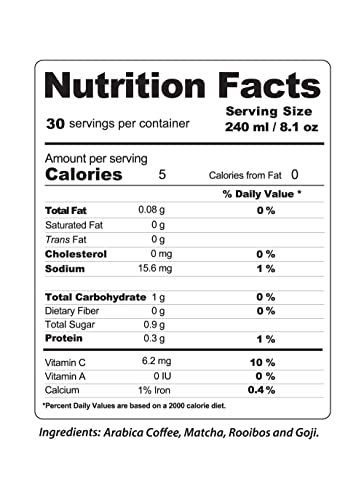
Tieman’s Fusion Coffee is a unique option among low acid coffee brands, combining premium Arabica coffee with functional superfoods for smoother digestion and sustained energy. This medium roast is naturally low in acidity, with an average pH of 5.85, making it easier on the stomach for those sensitive to regular coffee. What sets it apart is its fusion of Matcha green tea, Rooibos red tea, and Goji berry powders, delivering steady energy without jitters while supporting digestive comfort and inflammation reduction. Available in both ground and whole bean options, it’s designed for health-conscious coffee drinkers.
- Low Acidity: Gentle on the stomach and suitable for acid reflux or sensitive digestion.
- Sustained Energy: Matcha provides long-lasting energy without crashes or jitters.
- High Antioxidants: Delivers up to five times the body’s daily antioxidant needs.
- Price Per Ounce: More expensive than traditional coffee brands.
- Flavor Profile: The tea infusion may not appeal to purist coffee drinkers.
- Smaller Bag: 10-ounce size may run out quickly for daily users.
Combining proprietary roasting techniques with carefully selected beans, this coffee achieves remarkable smoothness. The blend uses beans from multiple origins to create a complex flavor profile that doesn’t rely on acidity for brightness. Available in medium and dark roast options, this coffee works particularly well for people transitioning from regular to low acid varieties, as the taste remains familiar while being significantly gentler.
Understanding Coffee Acidity
Coffee naturally contains various acids, including chlorogenic acid, quinic acid, and citric acid. These compounds contribute to the bright, tangy flavors many coffee enthusiasts appreciate. However, the pH level of regular coffee typically ranges from 4.85 to 5.10, making it quite acidic—comparable to beer or orange juice.
The acidity in coffee affects more than just taste. When consumed, acidic coffee can irritate the stomach lining, trigger acid reflux symptoms, and over time, contribute to tooth enamel erosion. For individuals with gastrointestinal sensitivities, a single cup of regular coffee can lead to hours of discomfort, including heartburn, stomach pain, and indigestion.
Understanding what makes coffee acidic helps in selecting better options. The coffee bean itself contains natural acids, but various factors during growing, processing, and brewing can either increase or decrease the final acidity level in the cup.
Factors That Influence Coffee Acidity
Several elements determine how acidic the final coffee product will be. Bean origin plays a crucial role—coffee grown at higher altitudes tends to be more acidic due to slower bean development, which concentrates acids. Beans from Brazil, Sumatra, and parts of India typically have lower natural acidity compared to those from Kenya, Ethiopia, or Central American highlands.
The roasting process significantly impacts acid levels. As beans roast longer, heat breaks down chlorogenic acids into other compounds. This explains why dark roasts generally contain less acid than light roasts. The extended exposure to heat during dark roasting reduces the overall acid content by up to 50% compared to light roasting.
Processing methods also matter. The way coffee cherries are processed after harvest affects the final acidity. Natural or dry processing tends to produce less acidic coffee compared to washed processing methods. Some specialty roasters have developed proprietary techniques specifically designed to reduce acidity while preserving desirable flavor compounds.
Bean composition itself varies by variety. Arabica beans, while generally considered superior in flavor, typically contain more acid than Robusta beans. However, many low acid coffee producers have found ways to work with Arabica beans while still achieving lower acidity through careful selection and processing.
Health Benefits of Low Acid Coffee
Switching to low acid coffee offers multiple health advantages beyond just reducing discomfort. For individuals with gastroesophageal reflux disease or chronic acid reflux, low acid coffee can mean the difference between enjoying coffee or giving it up entirely. The reduced acidity minimizes the likelihood of triggering symptoms that can disrupt daily activities.
Dental health improves with less acidic beverages. Regular coffee’s high acidity can gradually weaken tooth enamel, making teeth more susceptible to decay and sensitivity. Low acid alternatives pose less risk to dental health, allowing coffee lovers to protect their smiles while enjoying their favorite beverage.
Digestive system benefits extend beyond just reducing reflux. People with irritable bowel syndrome, ulcers, or general stomach sensitivity often find that low acid coffee doesn’t trigger the cramping, bloating, or urgency that regular coffee causes. This means more people can incorporate coffee into their daily routine without negative consequences.
The antioxidant benefits of coffee remain intact in low acid varieties. Coffee is one of the primary sources of antioxidants in the Western diet, and reducing acidity doesn’t eliminate these beneficial compounds. Chlorogenic acids, despite being acids themselves, provide antioxidant benefits that support overall health.
Brewing Methods That Reduce Acidity
Beyond selecting low acid coffee beans, brewing technique significantly impacts the final cup’s acidity. Cold brew coffee naturally produces a less acidic beverage because the cold water extraction process doesn’t pull out as many acidic compounds. The slow, cold steeping over 12-24 hours results in coffee that can be up to 67% less acidic than hot-brewed coffee.
Water temperature during hot brewing also matters. Using water that’s slightly cooler than the standard 195-205°F range can extract fewer acids while still producing flavorful coffee. Experimenting with temperatures around 180-190°F can yield smoother results, though extraction time may need adjustment.
Brewing time affects acidity as well. Over-extraction, which occurs when coffee brews too long, pulls out more bitter and acidic compounds. Following recommended brewing times for each method helps maintain lower acidity. For drip coffee, this means 4-6 minutes; for French press, about 4 minutes.
Adding minerals to water can neutralize some acidity. A small pinch of salt or using water with higher mineral content can balance the pH of the final brew. Some coffee enthusiasts add a tiny amount of baking soda to their grounds before brewing, though this requires experimentation to avoid affecting flavor negatively.
What to Look for in Low Acid Coffee Brands
When shopping for low acid coffee, several indicators help identify quality products. Look for brands that specifically test and report their coffee’s pH level. Reputable low acid coffee producers often include this information on packaging or websites, typically showing pH levels between 5.5 and 6.5, compared to regular coffee’s 4.85-5.10 range.
Processing methods should be transparent. Brands that detail their acid-reduction techniques, whether through roasting profiles, special bean selection, or proprietary processing, demonstrate commitment to their low acid claims. Be wary of companies that make claims without explaining how they achieve lower acidity.
Origin information matters because certain growing regions naturally produce less acidic beans. Brazilian, Sumatran, Peruvian, and Indian coffees tend toward lower acidity. Single-origin coffees from these regions often require less intervention to achieve comfortable acidity levels.
Certifications can indicate quality. Organic certification suggests careful farming practices, while third-party testing for mycotoxins and heavy metals indicates attention to overall coffee purity. These aren’t directly related to acidity but suggest a manufacturer invested in producing high-quality, health-conscious coffee.
Customer reviews provide real-world feedback about how the coffee affects people with acid sensitivity. Look for reviews specifically mentioning stomach comfort, lack of heartburn, or successful use by people with GERD or IBS. Patterns in feedback often reveal more than marketing claims.
The Science Behind Acid Reduction Techniques
Coffee roasters employ various scientific methods to reduce acidity. Steam treatment is one approach where beans are exposed to pressurized steam before roasting, which breaks down some acidic compounds. This method can reduce acidity without significantly altering flavor profiles when done correctly.
Extended roasting at controlled temperatures allows acid compounds to break down naturally through heat exposure. However, this requires precise monitoring to avoid over-roasting, which can introduce bitter flavors. Master roasters understand the delicate balance between acid reduction and flavor development.
Bean selection based on density and moisture content also plays a role. Denser beans with lower moisture content tend to produce less acidic coffee. Roasters who specialize in low acid coffee often source beans with these specific characteristics.
Some producers use natural additives during roasting. Food-grade substances like calcium or magnesium compounds can neutralize acids as beans roast. When used appropriately, these don’t affect flavor but measurably reduce the final product’s acidity.
Taste Expectations and Flavor Profiles
A common concern about low acid coffee is whether it sacrifices flavor for comfort. Quality low acid coffee can deliver excellent taste when properly processed. The key is understanding that reducing acidity doesn’t mean eliminating all flavor complexity—it means shifting the flavor profile away from bright, tangy notes toward deeper, smoother characteristics.
Low acid coffees typically emphasize chocolate, caramel, nutty, and earthy notes rather than fruity or citrusy flavors. The mouthfeel tends to be rounder and smoother, with less sharpness on the tongue. Many people find this profile more approachable and enjoyable, even if they don’t have acid sensitivity issues.
The absence of harsh acidity allows other flavor nuances to shine through. Subtle sweetness, body, and finish become more noticeable when they’re not competing with aggressive acidity. This can lead to a more nuanced tasting experience for those who pay attention to their coffee’s characteristics.
Freshness remains crucial regardless of acidity level. Low acid coffee still needs to be stored properly and consumed within a reasonable timeframe after roasting. Stale low acid coffee will disappoint just as much as stale regular coffee, so purchasing from roasters who date their products ensures the best experience.
Who Benefits Most from Low Acid Coffee
Certain groups find low acid coffee particularly beneficial. People diagnosed with GERD or frequent acid reflux often must limit acidic foods and beverages. Low acid coffee allows these individuals to enjoy coffee without triggering painful symptoms that can last hours.
Individuals with IBS or other digestive sensitivities frequently report that regular coffee aggravates their symptoms. The combination of acidity and caffeine in traditional coffee can stimulate the digestive system uncomfortably. Low acid options reduce one of these triggers, making coffee more tolerable.
Pregnant women who experience heartburn—a common pregnancy symptom—may find low acid coffee more comfortable. While caffeine intake should be monitored during pregnancy, those who choose to consume coffee in moderation often prefer gentler options.
Older adults experiencing age-related increases in acid sensitivity appreciate low acid alternatives. As digestive systems change with age, many people who previously enjoyed regular coffee find it increasingly uncomfortable. Low acid varieties let them maintain their coffee habits.
People concerned about dental health but unwilling to give up coffee benefit from the reduced enamel erosion risk. Athletes and active individuals who drink coffee before workouts sometimes find low acid options easier on their stomachs during physical activity.
Comparing Low Acid Coffee to Regular Coffee
The pH difference between low and regular coffee is substantial. Regular coffee averages around 4.9 pH, while low acid varieties typically range from 5.5 to 6.5 pH. This seemingly small numerical difference represents a significant reduction in actual acidity due to the logarithmic nature of the pH scale.
Caffeine content remains comparable between low acid and regular coffee. The acid reduction process doesn’t significantly affect caffeine levels, so those seeking the energizing effects of coffee won’t be disappointed. However, caffeine itself can irritate some stomachs, so people with severe sensitivities should consider this factor separately from acidity.
Antioxidant levels show minimal difference between properly processed low acid coffee and regular varieties. While some processing methods might slightly reduce certain compounds, the overall antioxidant benefit remains strong in low acid options.
Price points vary but low acid coffee doesn’t always cost more. Some premium low acid brands command higher prices due to specialized processing, but many affordable options exist. The cost difference, when present, typically reflects processing efforts rather than inherently more expensive beans.
Availability has improved dramatically as demand has grown. Low acid coffee was once a specialty item found only in health food stores, but now major retailers and online marketplaces carry numerous brands and varieties. This accessibility makes it easier than ever to try different options and find preferred flavors.
Making the Switch to Low Acid Coffee
Transitioning from regular to low acid coffee works best as a gradual process for many people. Starting with a blend that mixes low acid and regular beans can help palates adjust to the different flavor profile while immediately providing some relief from acid-related discomfort.
Experimenting with different brands and roast levels helps identify personal preferences. Low acid coffee isn’t one-size-fits-all—some people prefer the smoothness of dark roasts while others enjoy the remaining brightness in medium roasts. Sampling variety packs or smaller quantities initially prevents committing to large amounts of coffee that might not suit individual tastes.
Adjusting brewing parameters might be necessary. Low acid coffee sometimes requires slight modifications to grind size, water temperature, or brewing time to achieve optimal results. Taking time to fine-tune these variables ensures the best possible cup.
Monitoring symptoms provides valuable feedback. Keeping a simple log of how different low acid coffees affect digestion, energy levels, and overall comfort can identify which products work best. This personalized approach accounts for individual differences in sensitivity and taste preferences.
Combining low acid coffee with other stomach-friendly practices amplifies benefits. Drinking coffee with food rather than on an empty stomach, staying hydrated, and avoiding other acidic foods can enhance comfort levels even further.
Conclusion
Low acid coffee represents a meaningful solution for millions who love coffee but struggle with its acidic effects. Through careful bean selection, specialized processing techniques, and thoughtful roasting, manufacturers have created options that deliver satisfying flavor without the harsh consequences of traditional coffee. The growing variety of low acid brands available ensures that nearly everyone can find options suited to their taste preferences and budget.
The health benefits extend beyond just reducing discomfort—protecting dental enamel, supporting digestive health, and allowing more people to enjoy coffee’s antioxidant benefits make low acid varieties valuable for overall wellness. As awareness grows and production methods improve, the quality gap between low acid and regular coffee continues to narrow, with many low acid options now rivaling traditional coffee in flavor complexity.
For those hesitant to try low acid coffee due to concerns about taste or effectiveness, the abundance of affordable options makes experimentation risk-free. The potential to reclaim the pleasure of coffee without pain, discomfort, or health worries makes the effort worthwhile. Whether dealing with diagnosed conditions like GERD or simply seeking a gentler morning brew, low acid coffee offers a path forward for continued coffee enjoyment.
Frequently Asked Questions
Does low acid coffee have less caffeine than regular coffee?
No, low acid coffee generally contains the same amount of caffeine as regular coffee. The processes used to reduce acidity don’t significantly affect caffeine content. The amount of caffeine depends more on factors like bean type, roast level, and brewing method rather than acidity level. If caffeine is a concern, that should be addressed separately from acidity considerations.
Can low acid coffee completely eliminate acid reflux symptoms?
While low acid coffee significantly reduces the likelihood of triggering acid reflux, it may not completely eliminate symptoms for everyone. Individual sensitivity varies greatly, and other factors like caffeine, brewing strength, and what else is consumed with the coffee all play roles. Many people with acid reflux find low acid coffee perfectly comfortable, but those with severe GERD should consult healthcare providers about coffee consumption.
Is low acid coffee safe for people with ulcers?
Low acid coffee is generally gentler on the stomach and may be better tolerated by people with ulcers compared to regular coffee. However, individuals with active ulcers should consult their doctors before consuming any coffee. Even low acid coffee contains compounds that stimulate stomach acid production, and caffeine can affect ulcer healing. Medical guidance specific to individual conditions is essential.
How can someone tell if coffee is truly low acid without testing it?
Look for specific pH information on packaging or manufacturer websites—legitimate low acid coffee brands often provide this data. Check for detailed information about processing methods used to reduce acidity. Customer reviews mentioning reduced stomach discomfort or heartburn can provide practical evidence. Brands that specialize in low acid coffee rather than just offering it as one option tend to be more reliable. When in doubt, contacting the manufacturer directly for pH information can clarify whether a product meets low acid standards.
Does the brewing method matter more than the coffee type for reducing acidity?
Both factors significantly impact the final cup’s acidity, and combining low acid coffee beans with acid-reducing brewing methods produces the best results. Starting with low acid beans provides a strong foundation, but brewing method can either preserve that low acidity or add acidity back. Cold brew method is particularly effective at reducing acidity regardless of bean type, while hot brewing methods require both proper technique and low acid beans for optimal results. Using both approaches together maximizes comfort for sensitive individuals.