Japanese Iced Coffee Guide
*We may earn a commission for purchases made using our links. Please see our disclosure to learn more.
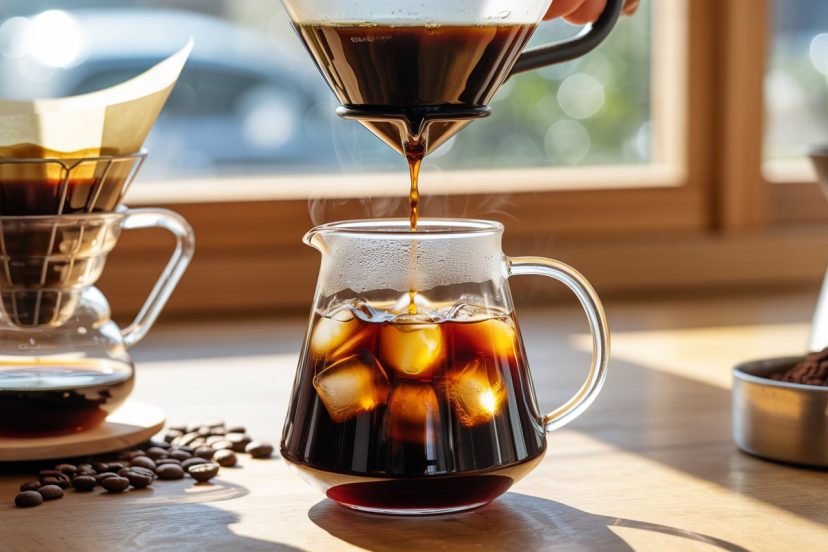
Summer heat calls for iced coffee, but waiting 12 hours for cold brew isn’t always practical. Japanese iced coffee offers a brilliant solution—delivering rich, nuanced cold coffee in under five minutes. This brewing technique, which originated in Japan and gained popularity in Western specialty coffee shops in the late 1990s, combines hot extraction with instant cooling to preserve the full flavor spectrum of coffee beans.
“Brewing coffee with hot water quickly dissolves the desired flavors and aromatics in ground coffee. This allows you to extract the range of interesting flavors that coffee can produce without having to wait for hours.”
— Handground Coffee Guide
Key Takeaways
- Japanese iced coffee brews hot coffee directly over ice, creating cold coffee in minutes rather than hours
- The brewing technique involves using half hot water and half ice in the total brewing volume
- The method preserves bright, acidic notes and complex flavors that cold brew typically mutes
- The coffee-to-water ratio is approximately 1:15, making it more economical than cold brew’s 1:7 ratio
- Any pour-over device works for this method, including Hario V60, Chemex, or Kalita Wave drippers
Recommended Products for Making Japanese Iced Coffee
1. Hario V60 Ceramic Coffee Dripper


Brew rich, flavorful coffee with the Hario V60 Ceramic Coffee Dripper, a timeless pour-over device crafted from durable Japanese ceramic. Its iconic cone shape and spiral ridges allow for optimal water flow and deep flavor extraction, while the large single hole gives you full control over pour speed for a customized brew. The heat-retaining ceramic construction keeps your coffee warm during brewing, and its minimalist design complements any kitchen. Handmade by artisans in Japan, the Hario V60 brings tradition and modern functionality together in one elegant dripper.
The classic V60 dripper remains the gold standard for Japanese iced coffee. Its ridged spiral design prevents the filter from sticking to the sides, ensuring consistent flow rate. Available in ceramic, glass, plastic, or steel, this cone-shaped dripper gives complete control over brewing variables. Perfect for coffee enthusiasts who want to master the technique and extract the fullest range of flavors from premium beans.
- Exceptional Flavor Control: Customizable pour speed for rich, deep, or light flavor profiles.
- Durable Ceramic Build: High-quality, heat-retaining ceramic ensures temperature stability.
- Elegant, Handcrafted Design: Handmade in Japan with a minimalist aesthetic.
- Manual Brewing: Requires time and technique compared to automatic brewers.
- Fragile Material: Ceramic construction can break if dropped or mishandled.
- Limited Capacity: Designed for single servings or small batches (approx. 300ml).
2. Chemex Classic Pour-Over Coffee Maker (6-Cup)

The Chemex Pour-Over Glass Coffeemaker in the Classic Series offers a simple, easy-to-use coffee brewing experience with a timeless and elegant design. Made from high-quality, non-porous Borosilicate glass, this 10-cup coffeemaker ensures that your coffee remains free from odors or chemical residues. The patented pour-over design not only enhances the brewing process but also allows you to cover and refrigerate the coffee for reheating without compromising its flavor. With dimensions of 6.4"D x 9.7"W x 0.7"H and an item weight of 0.7 pounds, it is a lightweight and compact coffee maker suitable for any kitchen.
The iconic Chemex combines elegance with functionality. Its thick bonded filters produce remarkably clean, smooth coffee with intense flavor and none of the bitterness. The single-vessel design means less cleanup, and the wooden collar with leather tie makes it a beautiful countertop piece. Ideal for brewing multiple servings at once and showcasing lighter roast coffees with delicate flavor profiles.
- Timeless Design: The Chemex Coffeemaker boasts an elegant and timeless design for a sophisticated coffee brewing experience.
- High-Quality Materials: Crafted from non-porous Borosilicate glass, it ensures a pure and clean flavor without odors or chemical residues.
- Versatility: The pour-over design preserves coffee flavor during refrigeration and reheating, offering versatile serving and storage options.
- Price: The Chemex Coffeemaker is relatively more expensive compared to alternative brewing methods.
- Limited Capacity: With a 10-cup capacity, it may be insufficient for larger households or gatherings, necessitating multiple brewing cycles.
- Special Filters Required: The Chemex requires specific filters (not included), adding an extra cost and potential inconvenience for users.
3. Kalita Wave 185 Dripper
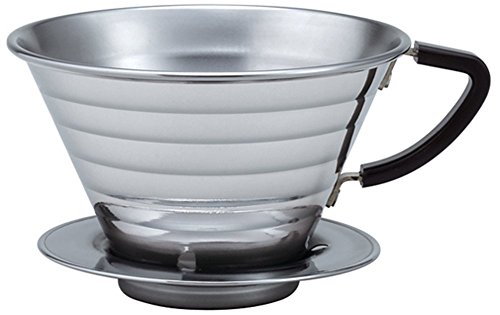
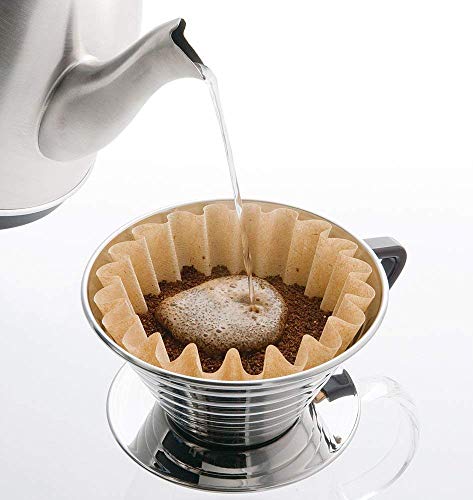

The Kalita Wave 185 Dripper is a premium stainless steel pour-over brewer crafted in Japan, designed to deliver a clean, balanced extraction—perfect for making Japanese iced coffee. Its patented wave-filter design minimizes contact with the dripper walls, creating a consistent coffee bed and preventing over-extraction. Trusted by specialty cafes and competition baristas worldwide, this dripper heats quickly, maintains stable brewing temperatures, and fits most mugs and carafes with ease. Durable, portable, and dishwasher-safe, the Kalita Wave 185 helps you achieve bright, crisp flavors that shine beautifully when brewing Japanese iced coffee.
The flat-bottom design with three drainage holes makes the Kalita Wave the most forgiving option for beginners. It delivers consistent extraction without requiring the precise pouring technique that other drippers demand. The Wave produces balanced, sweet coffee and works well for those who want excellent results without extensive practice or specialized equipment like gooseneck kettles.
- Balanced Extraction: Patented wave design promotes even brewing, ideal for the clarity needed in Japanese iced coffee.
- Durable Build: Stainless steel construction heats fast, stays hot, and lasts longer than ceramic or glass.
- Professional Quality: Used in specialty cafés and coffee competitions for consistent, flavorful results.
- Requires Wave Filters: Needs Kalita-specific filters, which may be less accessible in some areas.
- Slower Brew for Beginners: New users may need practice to perfect pour control and timing.
- Smaller Capacity: Suitable for up to 4 cups, not ideal for serving larger groups at once.
4. OXO Brew Single Serve Pour Over Coffee Maker


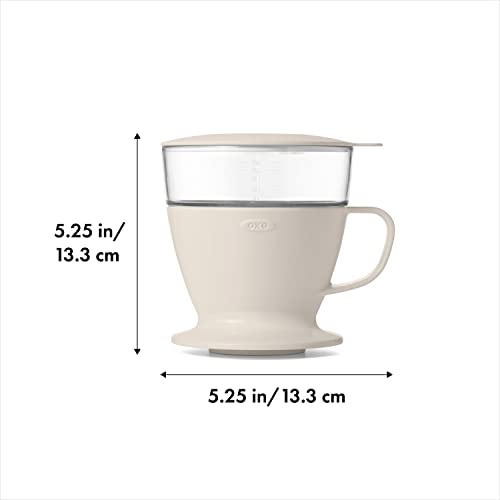
The OXO Brew Single Serve Pour-Over Coffee Maker is an easy, beginner-friendly brewer designed to deliver consistent, flavorful coffee every time—making it a great choice for Japanese iced coffee. Its auto-drip tank ensures steady water flow for even extraction, while measurement markings help you add the exact amount of water needed for a precise brew. The included lid helps retain heat during brewing and doubles as a drip tray for mess-free use. Lightweight, durable, and dishwasher-safe, this OXO pour-over offers a hassle-free way to enjoy bright, refreshing Japanese iced coffee at home.
This beginner-friendly setup includes an automatic water tank that controls the flow rate for optimal extraction. No need for precise pouring—just add water to the tank and let it dispense steadily over the grounds. The set includes everything needed to start brewing immediately, including filters and a lid to maintain water temperature during brewing. Perfect for those new to pour-over coffee or anyone seeking foolproof consistency.
- Effortless Brewing: Auto-drip tank controls water flow, ideal for beginners making Japanese iced coffee.
- Consistent Extraction: Measurement markings ensure correct water volume for balanced flavor.
- Convenient Design: Lid retains heat and doubles as a drip tray for tidy brewing.
- Plastic Build: Made from polypropylene and Tritan—less premium than metal or ceramic drippers.
- Limited Capacity: Maxes at 12 oz, which may not suit multiple servings.
- Less Control: Auto-drip function reduces manual pour control for advanced brewers.
What Makes Japanese Iced Coffee Different
Unlike traditional cold brew that steeps grounds in cold water for hours, Japanese iced coffee brews with hot water directly onto ice, quickly dissolving desired flavors and aromatics. The instant cooling locks in volatile compounds that would otherwise dissipate as coffee sits at room temperature.
Cold brew produces mellow, chocolatey coffee that’s relatively acid-free, while Japanese-style retains more flavor nuances and brightness. The hot extraction pulls oils, sugars, and aromatic compounds that cold water simply cannot access. For coffee drinkers who appreciate the complexity of single-origin beans, this method showcases those characteristics beautifully.
The Brewing Process Explained
The basic recipe calls for 16 grams of coffee, 150 grams of hot water at 91°C (196°F), and 70 grams of ice cubes. The ice goes into the brewing vessel first, then the dripper sits on top with grounds in the filter.
The brewing process starts with a bloom—pouring roughly double the coffee weight in hot water (about 70 grams for 35 grams of coffee) and letting it saturate for 20 seconds. This releases carbon dioxide trapped in the beans and ensures even extraction.
The grind should be finer than normal pour-over, and brew time should be doubled—a typical 2-minute brew becomes 4 minutes—because extracting the same amount of coffee requires only half the water volume. The resulting concentrated coffee drips onto the ice, melting it and diluting to proper drinking strength.
Water temperature should reach 200°F, just under boiling, to produce noticeably less bitter coffee than using fully boiling water. Many coffee-specific kettles include built-in thermometers, but stopping when the water becomes noticeably steamy works well too.
Equipment Essentials
While Japanese iced coffee doesn’t demand specialized gear, certain tools improve results significantly. A digital scale ensures accurate ratios, crucial when working with concentrated brews. Gooseneck kettles provide better pour control, especially with drippers like the V60 that require precise technique.
The switch from paper to metal filters, particularly the Able Brewing Kone, can enhance flavor by allowing oils and lipids through that paper holds back. These compounds balance the cup and boost overall intensity. However, paper filters create cleaner, brighter cups that many prefer for lighter roasts.
For coffee selection, washed beans work particularly well, producing brighter cups with cleaner flavors and lower body compared to natural-process beans. Ethiopian and Kenyan coffees shine with this method, highlighting their citrus acidity and natural sweetness.
Advantages Over Traditional Cold Brew
Speed ranks as the most obvious benefit—Japanese iced coffee takes the same time as regular pour-over brewing. When comparing costs, Japanese-style runs about 75 cents per serving versus $1.50 for cold brew using the same quality beans, thanks to the more efficient extraction ratio.
The flavor profile also differs dramatically. Hot extraction captures delicate floral notes, fruity aromatics, and bright acidity that define specialty coffee. Cold brew’s long steeping mutes these characteristics while emphasizing chocolate and caramel notes. Neither approach is inherently superior—they simply highlight different aspects of the beans.
The rapid cooling prevents the bitterness that develops when hot coffee sits at room temperature before chilling. Each drop hitting the ice locks in freshness, creating a clean, vibrant cup that tastes like iced coffee should rather than diluted hot coffee.
Common Adjustments and Troubleshooting
The general guideline adjusts to a 1:10 ratio of coffee to poured water, with the remaining volume coming from ice. For a 300-gram final yield, use 30 grams of coffee, 200 grams of hot water, and 100 grams of ice.
If coffee tastes weak or watery, grind finer or increase the coffee dose slightly. Bitter, harsh flavors suggest over-extraction—try a coarser grind, lower water temperature, or faster pour. Sour, underdeveloped flavors mean under-extraction, corrected by grinding finer, using hotter water, or extending brew time.
Ice quality matters more than many realize. Larger cubes melt slower and stay above the brewing coffee longer, preventing premature dilution. Clear, filtered ice also avoids off-flavors that can muddle the finished cup.
Perfect Coffee Selection
Bright Kenyan coffees work exceptionally well, presenting both citrus acidity and killer sweetness similar to an Arnold Palmer. Ethiopian coffees, whether washed or natural process, also excel with this brewing method. Light to medium roasts generally perform better than dark roasts, preserving the nuanced flavors this technique emphasizes.
High-quality, lighter roasted beans that are sweet, floral, and fruity work particularly well. Avoid beans older than two weeks from roasting, as stale coffee loses the volatile aromatics that make Japanese iced coffee special.
The brewing method’s transparency means it reveals both the best and worst qualities of beans. Premium single-origin coffees justify their cost with this preparation, while supermarket pre-ground coffee won’t deliver impressive results regardless of technique.
Conclusion
Japanese iced coffee bridges the gap between convenience and quality, delivering complex, flavorful cold coffee without the planning cold brew requires. The technique works with existing pour-over equipment and takes just minutes from start to finish. By combining hot extraction’s efficiency with instant cooling’s preservation of aromatics, this method captures what makes specialty coffee special—bright acidity, layered flavors, and aromatic complexity—in a refreshing cold format.
Whether reaching for it on a sweltering afternoon or incorporating it into the morning routine, Japanese iced coffee proves that speed and quality don’t have to be mutually exclusive. The method rewards experimentation with different origins, roast levels, and brewing devices while remaining accessible to anyone with basic pour-over gear.
Frequently Asked Questions
Can Japanese iced coffee be made without a pour-over dripper?
Yes, any coffee brewing method that allows hot water to drip directly onto ice works. Automatic drip coffee makers can be adapted by placing ice in the carafe and brewing at a stronger ratio, though results won’t match the precision of manual pour-over. Even a simple drip cone set over a jar filled with ice produces good results.
How long does Japanese iced coffee stay fresh?
Drink it within a few hours for best flavor. The rapid cooling preserves aromatics initially, but they dissipate over time. Unlike cold brew concentrate that lasts days in the refrigerator, Japanese iced coffee is meant for immediate consumption. If storing is necessary, keep it covered in the refrigerator for up to 24 hours maximum.
What’s the best grind size for Japanese iced coffee?
Aim for slightly finer than standard pour-over—roughly between medium and medium-fine. The reduced water volume requires longer contact time for proper extraction. Start with a grind that takes 3-4 minutes to fully drip through, then adjust based on taste. Too coarse results in sour, weak coffee; too fine creates bitter, over-extracted flavors.
Does Japanese iced coffee need sweetener?
Not necessarily. The method’s quick cooling and efficient extraction often produces naturally sweet coffee that tastes balanced without additives. However, personal preference varies—some enjoy it black while others prefer cream and sugar. Light and medium roasts typically need less sweetening than dark roasts.
Can this method work with decaf coffee?
Absolutely. The brewing principles apply equally to decaffeinated beans, though some grind adjustment might be necessary. Decaf often requires a slightly coarser grind since the decaffeination process makes beans more porous and easier to extract. The method actually helps decaf shine by preserving more flavor than traditional cold brew.