Coffee and Weight Loss: Does It Help?
*We may earn a commission for purchases made using our links. Please see our disclosure to learn more.
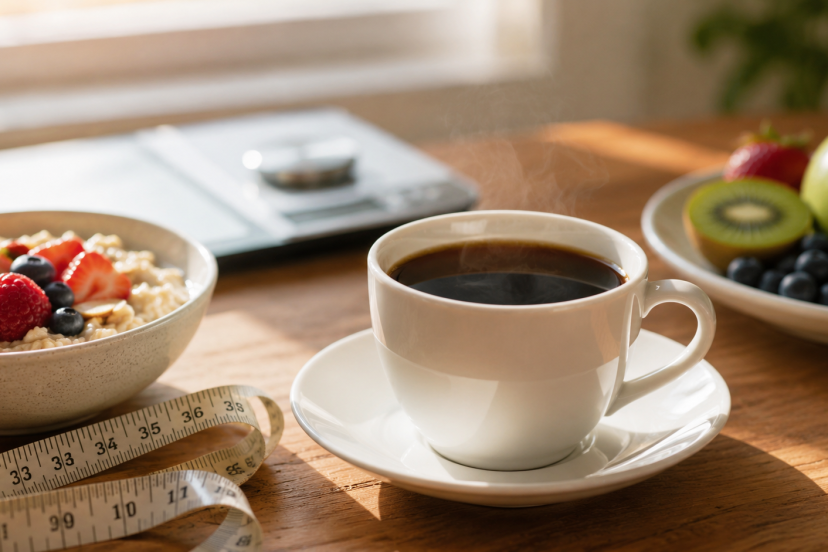
Coffee is often connected with weight loss because it contains caffeine, provides energy, and may temporarily increase calorie burning. Plain black coffee also contains very few calories, making it a lower-calorie alternative to sugary drinks. However, drinking coffee does not automatically cause meaningful or lasting weight loss.
Research suggests that caffeine may modestly affect metabolism, fat oxidation, exercise performance, and short-term appetite. These effects are usually small and can vary considerably between individuals. Regular caffeine use may also lead to tolerance, reducing some of its noticeable effects over time.
The way coffee is prepared matters just as much as the coffee itself. Black coffee may fit comfortably into a calorie-conscious eating plan, while drinks containing flavored syrup, sugar, whipped cream, sweetened creamer, and large amounts of milk can provide hundreds of additional calories.
Healthy weight loss ultimately depends on sustainable eating habits, physical activity, sleep, stress management, and an appropriate calorie deficit. Coffee may support some of these habits, but it cannot replace them. The Centers for Disease Control and Prevention explains that reducing calorie intake while increasing physical activity creates the calorie deficit needed for weight loss.
“Healthy weight loss includes a lifestyle with healthy eating patterns, regular physical activity, enough sleep, and stress management.”
Source: Centers for Disease Control and Prevention
Key Takeaways
- Plain coffee is naturally low in calories, but flavored coffee drinks can contain significant amounts of sugar and fat.
- Caffeine may temporarily increase energy expenditure and fat oxidation, but the effect is usually modest.
- Research does not support treating coffee as a stand-alone weight-loss solution.
- Coffee may support exercise performance and alertness, which can make physical activity feel more manageable for some people.
- Appetite effects are inconsistent and should not be relied on for meal skipping.
- Excessive caffeine may cause anxiety, sleep problems, a racing heartbeat, digestive discomfort, or headaches.
- For most healthy adults, up to 400 milligrams of caffeine per day is not generally associated with negative effects, although individual sensitivity varies.
- A balanced eating pattern, regular movement, adequate sleep, and realistic calorie control remain more important than any beverage.
Four Helpful Coffee Products
These products do not cause weight loss. They can, however, support measured brewing, portion awareness, and simpler coffee preparation without depending on sugary café drinks. Prices and availability may change.
1. Etekcity Digital Food Kitchen Scale


The Etekcity Digital Food Kitchen Scale offers precise and convenient measuring for cooking, baking, meal preparation, and portion control. It measures items from 2 grams up to 22 pounds, with 1-gram increments for dependable accuracy.
A digital scale can measure coffee grounds, water, food portions, and recipe ingredients. Consistent measurement can be helpful for anyone who tends to underestimate creamer, sugar, snacks, or serving sizes. This model has appeared among Amazon best-selling kitchen scales.
- High Capacity: Measures items weighing up to 22 pounds.
- Easy to Clean: IPX6 waterproof stainless steel surface wipes clean easily.
- Rechargeable Design: Includes a USB-C rechargeable battery and charging cable.
- Minimum Weight: May not accurately measure items weighing less than 2 grams.
- Limited Precision: Uses 1-gram increments rather than finer decimal measurements.
- Higher Price: Costs more than many basic digital kitchen scales.
2. LilyDrip Ceramic Pour Over Coffee Maker Set


The LilyDrip Ceramic Pour Over Coffee Maker Set is designed to improve the flow rate, temperature stability, and flavor extraction of pour-over coffee. It fits compatible Hario V60 and Origami filters, making it a useful accessory for home coffee bars and manual brewing setups.
This manual pour-over accessory is designed for brewing filtered coffee without relying on pods, sweetened mixes, or café-style syrups. It can help produce a flavorful cup that is easier to enjoy black or with a modest amount of milk. It has been listed on Amazon as a pour-over coffee accessory compatible with cone-shaped brewers.
- Improved Extraction: Helps promote a steadier flow rate and more balanced flavor.
- Easy to Use: Requires only a few simple steps during pour-over brewing.
- Wide Compatibility: Works with Hario V60 and Origami filters.
- Limited Brewer Compatibility: May not fit pour-over brewers outside the supported designs.
- Learning Required: Grind size and pouring technique may need adjustment.
- Fragile Material: Ceramic construction can break if dropped.
3. Novalife Conical Burr Coffee Grinder


The Novalife Conical Burr Coffee Grinder offers precise and customizable grinding for espresso, pour-over, drip coffee, French press, siphon, and Moka pot brewing. Its 40-millimeter stainless steel conical burrs grind coffee beans evenly while minimizing heat buildup that may affect aroma and flavor.
Grinding whole beans shortly before brewing can improve aroma and flavor, potentially making plain coffee more enjoyable without large amounts of sweetener. This grinder offers adjustable settings for methods including drip, French press, pour-over, moka pot, and espresso. It has been listed for sale on Amazon.
- Precise Settings: Offers 51 grind levels for multiple brewing methods.
- Flexible Controls: Supports cup-based and timed grinding modes.
- Reduced Mess: Anti-static construction helps limit scattered coffee grounds.
- Higher Price: Costs more than basic blade and entry-level burr grinders.
- Counter Space: The larger design may not suit small kitchens.
- Setup Required: Finding the ideal grind setting may take experimentation.
4. Stanley Classic Trigger Action Travel Mug
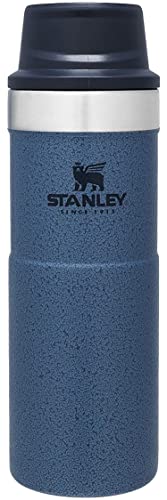

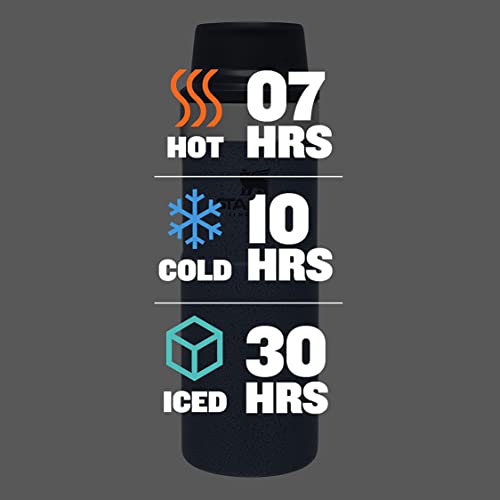
The Stanley Classic Trigger-Action Travel Mug is the perfect companion for those on the go. With double-wall vacuum insulation, this mug keeps beverages hot for up to 7 hours, cold for 10 hours, and iced for up to 30 hours. The leak-resistant trigger-action lid allows for one-handed operation, making it ideal for commuting, travel, and outdoor adventures. Crafted from 18/8 stainless steel, it’s rugged, BPA-free, and built to last. Plus, it’s dishwasher safe, ensuring easy cleanup after every use.
An insulated travel mug can make home-brewed coffee easier to carry to work, school, or daily activities. Preparing coffee at home provides more control over serving size, milk, creamer, and added sugar than many ready-made drinks. This travel mug has a product listing on Amazon.
- Excellent insulation: Keeps drinks hot for 7 hours, cold for 10, and iced for 30.
- One-handed operation: Easy trigger-action lid for effortless sipping.
- Leak-resistant: Spill-proof design makes it safe for bags and travel.
- Narrow drinking spout: Some may prefer a wider opening.
- Limited capacity: 16oz size may be small for heavy coffee drinkers.
- Push-button lid maintenance: Requires regular cleaning to prevent clogging.
Can Coffee Help With Weight Loss?
Coffee may provide a small amount of support, but it is unlikely to produce substantial weight loss by itself.
A systematic review and meta-analysis found that caffeine intake may be associated with modest reductions in body weight, body mass index, and body fat. However, these findings do not mean that drinking more coffee will continue producing greater weight loss. Study methods, caffeine doses, participant characteristics, and intervention lengths differ, making it difficult to apply one result to every coffee drinker.
A more recent systematic review examined randomized trials comparing tea and coffee consumption and their effects on adult body weight. The existence of ongoing research shows that the relationship remains an active area of study rather than a settled weight-loss strategy.
Coffee is most useful when it replaces a higher-calorie beverage or supports a healthy routine. For example, replacing a sweetened soda, blended coffee drink, or energy drink with unsweetened coffee may reduce daily calorie intake. Coffee may also improve alertness before a walk or workout, although it should not be used to compensate for inadequate sleep.
How Caffeine Affects Metabolism
Caffeine is a stimulant that acts on the central nervous system. It blocks adenosine receptors, which can reduce feelings of tiredness and increase alertness. It may also increase the release of stimulating hormones and temporarily raise energy expenditure.
This effect is commonly described as thermogenesis, which means the production of heat through metabolic processes. Caffeine may briefly increase the number of calories the body uses, but the increase is generally too small to overcome a consistently high-calorie eating pattern.
Research also suggests that caffeine can increase fat oxidation during exercise. Fat oxidation is the process of breaking down fatty acids for energy. A meta-analysis found that acute caffeine intake increased fat oxidation during aerobic exercise, and later research reported similar findings under certain meal and exercise conditions.
Burning more fat during a particular workout does not necessarily equal greater long-term fat loss. Total energy balance over time still matters. A person can oxidize more fat during exercise but remain at the same weight if total calorie intake continues to match or exceed total energy expenditure.
Does Coffee Reduce Appetite?
Coffee is sometimes promoted as an appetite suppressant, but the evidence is inconsistent.
A review of coffee, caffeine, and appetite found that coffee consumed several hours before a meal generally had minimal effects on total food and macronutrient intake. Caffeine taken shortly before a meal may affect appetite or intake in some situations, but the available evidence does not support using coffee as a reliable method of hunger control.
Some individuals feel less hungry after drinking coffee. Others experience no change, while some become hungrier later, especially if coffee replaces breakfast or another balanced meal.
Using caffeine to ignore hunger can create problems. Skipping meals may lead to low energy, irritability, difficulty concentrating, and overeating later in the day. A more sustainable approach is to pair coffee with a meal containing protein, fiber, and nutrient-dense foods.
Coffee should complement a balanced eating pattern rather than replace nourishment.
Black Coffee Versus Sweetened Coffee
Plain brewed coffee contains very few calories. Most of the calories in popular coffee drinks come from what is added afterward.
Common additions include:
- Granulated sugar
- Flavored syrups
- Sweetened condensed milk
- Whipped cream
- Chocolate or caramel sauce
- Full-fat cream
- Sweetened non-dairy creamer
- Ice cream
- Large quantities of milk
A teaspoon of sugar may not seem significant, but several teaspoons across multiple cups can add up. Large specialty drinks may also contain several pumps of syrup, whipped toppings, and oversized servings.
A coffee drink does not have to be completely black to fit into a weight-loss plan. A modest amount of milk, unsweetened plant-based milk, cinnamon, or a measured portion of creamer can still work. The important factors are serving size, frequency, and total calorie intake.
Gradually reducing sweetness can make the change easier. Using freshly ground beans, choosing a naturally sweet or chocolate-toned roast, and improving the brewing method may also make less-sweetened coffee more enjoyable.
Is Coffee Before Exercise Helpful?
Caffeine may improve alertness, reduce perceived effort, and support certain types of exercise performance. This can be helpful when it leads to a longer walk, a more focused gym session, or greater consistency with physical activity.
Coffee is often consumed 30 to 60 minutes before exercise, although caffeine absorption and peak effects vary. Caffeine is absorbed relatively quickly, but individual response depends on genetics, body size, habitual intake, medications, pregnancy, smoking status, and other factors.
More caffeine is not always better. A high dose may cause shakiness, nausea, anxiety, rapid heartbeat, or an urgent need to use the bathroom. These effects may interfere with exercise rather than improve it.
Anyone exercising in the evening should also consider sleep. Caffeine has an average half-life of about five hours, although it may remain in the body for considerably longer. Research has found that caffeine consumed six hours before bedtime can still disrupt sleep.
Poor sleep can make weight management more difficult by affecting energy, food choices, appetite regulation, recovery, and willingness to exercise.
How Much Coffee Is Reasonable?
The Food and Drug Administration states that, for most adults, 400 milligrams of caffeine per day is an amount not generally associated with negative effects. Depending on strength and serving size, this may equal roughly two or three 12-ounce cups of coffee.
This is a general limit, not a target. Some people feel uncomfortable after less than 100 milligrams, while others tolerate more without obvious symptoms.
Caffeine content varies according to:
- Bean type
- Roast
- Brewing method
- Coffee-to-water ratio
- Serving size
- Brew time
- Product formulation
A large café coffee may contain substantially more caffeine than a small home-brewed cup. Espresso is concentrated, but the serving is usually smaller. Cold brew can also contain a large amount when sold as concentrate or in an oversized serving.
Pregnant or breastfeeding individuals, adolescents, people with certain heart conditions, those taking interacting medications, and individuals with anxiety or sleep disorders may need lower limits or individualized medical advice.
When Coffee Can Work Against Weight Loss
Coffee can become counterproductive when it contributes more calories than expected or interferes with sleep and appetite regulation.
High-Calorie Additions
A daily blended drink with syrup, whipped cream, and sweetened milk may contain the calories of a meal. Even ordinary coffee can become calorie-dense when creamer and sugar are poured without measuring.
Drinking Coffee Instead of Eating
Using coffee to skip meals may reduce calories temporarily, but it can also leave a person tired and unusually hungry later. Regular meals built around protein, vegetables, fruit, whole grains, and other filling foods are generally easier to sustain.
Poor Sleep
Late-day caffeine can delay sleep or reduce sleep quality. A systematic review found that caffeine reduced total sleep time and sleep efficiency while increasing the time needed to fall asleep.
Excessive Intake
Too much caffeine may cause restlessness, anxiety, headaches, digestive symptoms, tremors, or a racing heartbeat. Increasing the dose to restore an earlier energy boost may also lead to a cycle of tolerance and dependence.
Green Coffee Extract Expectations
Green coffee extract supplements are different from ordinary brewed coffee. Some analyses have reported reductions in weight-related measurements, but researchers have also emphasized small samples, short study periods, inconsistent methods, and the need for stronger long-term safety evidence. Earlier reviews found that several trials had a high risk of bias.
Coffee supplements should not be assumed to provide the same experience or safety profile as a normal cup of coffee.
How to Use Coffee in a Healthy Weight-Loss Routine
Start by examining the complete drink rather than focusing only on the coffee. Measure added sugar, syrup, milk, and creamer for several days to understand how much is actually being used.
Choose a serving size that provides alertness without causing jitters. Drinking water alongside coffee can also help maintain normal hydration habits throughout the day.
Avoid relying on caffeine as a substitute for sleep. When exhaustion is caused by repeatedly sleeping too little, another cup may hide tiredness temporarily without fixing the underlying problem.
Coffee can be paired with a balanced breakfast instead of replacing it. Eggs, Greek yogurt, fruit, oats, nuts, and whole-grain foods can add protein and fiber that coffee does not provide.
It can also be helpful to establish a caffeine cutoff time. Since caffeine may remain active for many hours, stopping in the early afternoon may protect sleep better than drinking coffee through the evening.
Most importantly, evaluate results over weeks and months. A routine that depends on constant hunger, stimulant use, or severe restriction is unlikely to be sustainable.
Conclusion
Coffee can fit into a healthy weight-loss plan, especially when it is served plain or with modest additions and replaces a higher-calorie drink. Caffeine may temporarily increase energy expenditure, fat oxidation, alertness, and exercise capacity, but these effects are not strong enough to make coffee a reliable weight-loss treatment.
The greatest benefit usually comes from how coffee is used. A measured home-brewed cup may support an active morning and reduce spending on sugary drinks. A large coffee loaded with syrup, cream, and toppings may have the opposite effect.
Long-term weight management still depends on a realistic calorie deficit, nutritious food, regular physical activity, adequate sleep, and habits that can be maintained. Coffee is best treated as an optional beverage within that routine, not as the routine itself.
Frequently Asked Questions
1. Does drinking coffee burn belly fat?
Coffee cannot selectively burn belly fat. Caffeine may temporarily increase metabolism or fat oxidation, but fat loss occurs throughout the body when a sustained calorie deficit is maintained. Genetics, hormones, age, activity, sleep, and overall diet influence where fat is lost first.
2. Is black coffee good for weight loss?
Black coffee may fit well into a weight-loss plan because it contains very few calories when no sugar, syrup, cream, or milk is added. Its main advantage is often that it replaces a higher-calorie beverage. It does not independently guarantee weight loss.
3. What is the best time to drink coffee for weight loss?
There is no single best time for weight loss. Coffee may be useful in the morning or before exercise when it improves alertness and activity. It is generally better to avoid it late in the day if caffeine interferes with sleep. Protecting sleep may be more valuable than receiving a temporary evening energy boost.
4. Can coffee make someone gain weight?
Coffee itself is unlikely to cause weight gain when consumed plain. Weight gain may occur when coffee drinks regularly contain large amounts of sugar, syrup, cream, whipped toppings, or sweetened milk. Late caffeine use may also indirectly affect weight management by disrupting sleep.
5. How many cups of coffee should be consumed during weight loss?
There is no required amount. Some people may choose one or two cups, while others may avoid caffeine completely. Total caffeine from coffee, tea, soda, energy drinks, chocolate, and medications should be considered together. The FDA cites 400 milligrams per day as a level not generally associated with negative effects for most healthy adults, but lower amounts may be more appropriate for sensitive individuals.