Coffee and Anxiety: Why Caffeine Triggers Jitters and Stress
*We may earn a commission for purchases made using our links. Please see our disclosure to learn more.
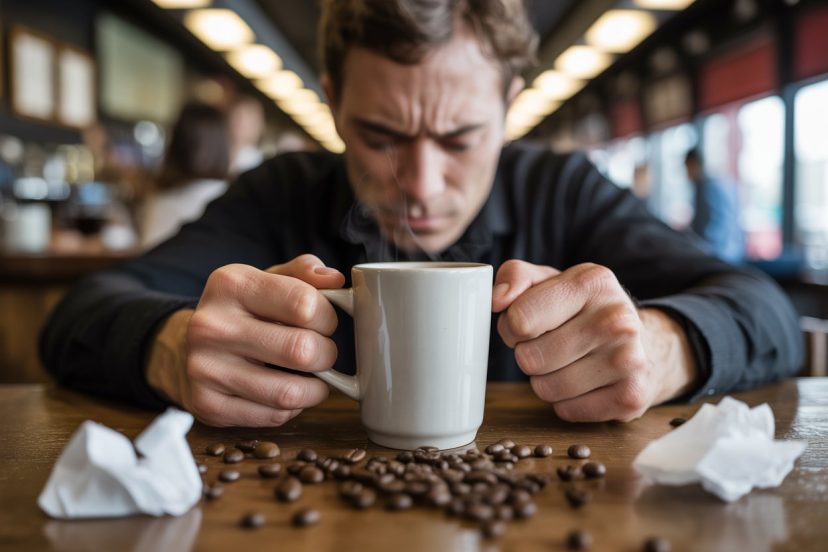
Coffee can make anxiety worse because caffeine stimulates the central nervous system, increases physical alertness, and can create body sensations that feel similar to stress or panic.
I do not think coffee deserves to be treated like the enemy. For many people, it is a morning ritual, a focus tool, a social habit, and one of the small pleasures that makes the day feel more manageable. The problem is that coffee is not just a comforting beverage. It is also one of the most widely used sources of caffeine, and caffeine is a stimulant that can make the nervous system feel more activated than some people expect.
That is where the connection between coffee and anxiety becomes important. The same cup that helps one person feel clear and energized can make another person feel shaky, tense, restless, or emotionally on edge. For people prone to anxiety, panic attacks, insomnia, or stress sensitivity, coffee can sometimes turn ordinary alertness into a full-body alarm signal.
“Caffeine promotes wakefulness by blocking adenosine, a sleep-inducing chemical.”
Source: Sleep Foundation
Key Takeaways
- Coffee does not usually cause an anxiety disorder by itself, but caffeine can trigger or intensify anxiety-like symptoms.
- Caffeine can cause a racing heart, shaky hands, restlessness, sweating, stomach discomfort, and trouble sleeping.
- The FDA cites 400 mg of caffeine per day as an amount not generally associated with negative effects for most adults, but sensitive people may feel anxious from much less.
- Coffee is more likely to worsen anxiety when you drink it on an empty stomach, drink it late in the day, consume large servings, or already feel stressed or sleep deprived.
- Many people do better with smaller servings, earlier timing, food with coffee, half-caf, decaf, or lower-caffeine alternatives.
Does Coffee Cause Anxiety?
Coffee does not automatically cause anxiety, but caffeine can trigger anxiety symptoms, worsen existing anxiety, and mimic the physical sensations of panic.
This distinction matters. Anxiety disorders are complex conditions influenced by biology, stress, sleep, life circumstances, trauma history, genetics, and thought patterns. Coffee is not usually the sole cause. However, caffeine can create a physical state that feels very similar to anxiety. That overlap can confuse the body and the brain.
When caffeine increases alertness, heart rate, muscle tension, and restlessness, your brain may interpret those body signals as danger. For someone who is already anxious, that can make the anxiety feel more convincing. For someone with panic attacks, the physical sensations may become a trigger.
A 2024 meta-analysis found that caffeine intake was associated with an elevated risk of anxiety in healthy individuals, especially at higher doses. UCLA Health also explains that caffeine may increase anxiety risk, affect sleep, and intensify physical symptoms in some people.
The most accurate answer is this: coffee does not affect everyone the same way, but caffeine is a real and well-recognized anxiety trigger for many people.
Why Coffee Can Make You Feel Anxious
Coffee can make you feel anxious because caffeine increases nervous system activity, blocks sleep-promoting adenosine, and can activate body sensations associated with stress.
To understand why coffee can feel so intense, I like to think of caffeine as a volume knob for alertness. In the right amount, it turns focus up. In the wrong amount, it turns the whole nervous system up too high.
Caffeine Blocks Adenosine
Adenosine is a chemical that builds up while you are awake and helps your body feel sleepy over time. Caffeine blocks adenosine receptors, which makes you feel more awake.
That can be helpful in the morning. But if your body needs rest, caffeine can mask fatigue instead of resolving it. You may feel artificially alert while your nervous system is still under strain.
For someone with anxiety, that blocked tiredness can feel like inner pressure. You are awake, but not necessarily calm. You are energized, but not necessarily grounded.
Caffeine Activates the Stress Response
Caffeine is a central nervous system stimulant. In practical terms, that means it can increase alertness, raise physical activation, and make the body feel more prepared for action.
MercyCare explains that too much caffeine can increase anxiety symptoms. The American Medical Association also notes that caffeine can cause jitteriness and anxiety, and may increase respiratory rate, heart rate, and blood pressure even in moderate amounts for some people.
This is why coffee can feel like stress even when nothing stressful is happening. Your body may be receiving a stimulant signal, then your mind tries to explain that signal. If you are already worried, the explanation may become: “Something is wrong.”
Caffeine Can Mimic Panic Symptoms
Coffee can cause physical sensations that overlap with panic symptoms, including a racing heart, trembling, sweating, chest tightness, nausea, and shortness of breath.
This does not mean coffee is causing a medical emergency in most cases. It means caffeine can create sensations that feel alarming. For people with panic disorder or health anxiety, those sensations can become the spark for a larger anxiety cycle.
The cycle often looks like this:
- You drink coffee.
- Your heart beats faster.
- You notice the sensation.
- You worry something is wrong.
- The worry releases more stress chemistry.
- The symptoms get stronger.
- The experience feels like panic.
This is one reason a person can say, “Coffee gives me panic attacks,” even if the deeper issue is that caffeine triggers body sensations their nervous system interprets as danger.
Caffeine Can Disrupt Sleep and Make Anxiety Worse the Next Day
Coffee can worsen anxiety indirectly by disrupting sleep, especially when consumed later in the day.
Sleep and anxiety are tightly connected. Poor sleep makes the brain more emotionally reactive. Anxiety makes it harder to sleep. Caffeine can intensify both sides of that loop.
The Sleep Foundation recommends avoiding caffeine at least eight hours before bedtime to support better sleep quality and suggests reducing caffeine intake if you notice insomnia, anxiety, or headaches. Another Sleep Foundation resource explains that caffeine’s half-life can range from 2 to 12 hours, depending on the person.
That means an afternoon coffee may still be affecting some people at bedtime. Even if you fall asleep, your sleep may be lighter or less restorative.
Common Anxiety-Like Symptoms After Coffee
Coffee-related anxiety often feels physical before it feels emotional.
The most common symptoms include:
- Racing heart
- Heart palpitations
- Shaky hands
- Jitteriness
- Restlessness
- Sweating
- Stomach discomfort
- Nausea
- Muscle tension
- Chest tightness
- Faster breathing
- Irritability
- Overthinking
- Trouble focusing
- Trouble falling asleep
- Waking during the night
These symptoms can be especially confusing because many of them are also common anxiety symptoms. If you drink coffee and then feel anxious 30 to 90 minutes later, caffeine may be part of the pattern.
That does not mean every anxious feeling after coffee is caused by coffee. It means coffee may be one variable worth testing.
How Much Coffee Is Too Much for Anxiety?
For most adults, the FDA cites 400 mg of caffeine per day as an amount not generally associated with negative effects, but people with anxiety may need less.
The FDA describes 400 mg of caffeine as roughly two to three 12-ounce cups of coffee, depending on the coffee. It also emphasizes that people vary widely in caffeine sensitivity and in how quickly they eliminate caffeine from the body.
That variation is the key point. A general safety guideline is not the same as an anxiety-friendly dose.
Some people can drink two or three cups and feel fine. Others feel anxious after one small cup. Some people tolerate coffee well in the morning but not after lunch. Others tolerate brewed coffee but feel terrible after espresso, cold brew concentrate, or energy drinks.
A practical anxiety-sensitive caffeine scale may look like this:
| Caffeine Intake | What It May Mean for Anxiety |
|---|---|
| 0 mg | Best for highly sensitive people or during anxiety flare-ups |
| 25 to 50 mg | Very low dose, often easier to tolerate |
| 50 to 100 mg | Moderate for sensitive people |
| 100 to 200 mg | Common daily range, but may still trigger symptoms |
| 200 to 400 mg | May be too much for people prone to anxiety |
| 400 mg or more | More likely to cause side effects, especially in sensitive people |
Pregnant people are often advised to stay below 200 mg of caffeine per day. ACOG states that moderate caffeine consumption under 200 mg per day does not appear to be a major contributing factor in miscarriage or preterm birth.
For anxiety, the best dose is not the highest “safe” dose. It is the amount you can drink without feeling overstimulated, restless, or sleep disrupted.
Why One Cup Affects Some People More Than Others
One cup of coffee can affect people differently because caffeine sensitivity depends on metabolism, genetics, stress level, sleep quality, tolerance, medications, and anxiety history.
This is why comparing yourself to someone else rarely helps. One person may drink cold brew at 3 p.m. and sleep normally. Another may drink half a cup at 9 a.m. and feel wired until bedtime.
Several factors can change your response.
Genetics and Caffeine Metabolism
Some people metabolize caffeine quickly. Others process it more slowly. If caffeine stays in your system longer, it has more time to affect your heart rate, sleep, and nervous system.
Anxiety Sensitivity
Some people are more sensitive to internal body sensations. If you notice small changes in heart rate, breathing, or stomach tension, caffeine may feel more intense.
Sleep Debt
Coffee often feels harsher when you are tired. If your nervous system is already strained from poor sleep, caffeine may add stimulation without adding real recovery.
Empty Stomach
Coffee on an empty stomach can feel sharper. It may hit faster, worsen stomach discomfort, and make shakiness more noticeable.
Stress Level
If you are already under pressure, coffee may amplify the stress response. A cup that feels fine on vacation may feel terrible before a deadline.
Medications and Health Conditions
Some medications and health conditions can change how caffeine affects the body. If you take medication for anxiety, ADHD, sleep, blood pressure, heart rhythm, or another condition, it is worth asking a healthcare professional how caffeine fits into your situation.
Coffee, Cortisol, and the Morning Stress Response
Coffee may feel more anxiety-provoking in the morning when the body is already transitioning into alertness.
Cortisol is often called a stress hormone, but it is also part of a normal daily rhythm. It helps the body wake up and mobilize energy. The issue is not that morning cortisol is bad. The issue is that caffeine can add more stimulation to a system that may already feel activated.
This is why some people feel better when they delay coffee until after breakfast or wait 60 to 90 minutes after waking. The point is not that everyone must do this. The point is that timing can change how coffee feels.
If coffee makes you anxious first thing in the morning, test one of these changes:
- Eat breakfast first.
- Drink water before coffee.
- Start with half a cup.
- Wait until after your first work task.
- Switch to half-caf.
- Avoid checking stressful messages while drinking coffee.
Coffee anxiety is often not just about caffeine. It is about caffeine plus context.
Coffee on an Empty Stomach and Anxiety
Coffee on an empty stomach can make anxiety symptoms feel stronger because the stimulant effect may feel faster and more physically noticeable.
This is especially common when someone drinks strong coffee before eating, then starts their day with email, commuting, deadlines, or social stress. The body receives caffeine without the stabilizing effect of food.
A better approach is to pair coffee with a meal or snack that includes protein, fiber, or healthy fats. Examples include:
- Eggs and whole-grain toast
- Greek yogurt with nuts
- Oatmeal with nut butter
- Avocado toast
- A smoothie with protein
- Cottage cheese and fruit
- A breakfast sandwich with protein
This does not neutralize caffeine, but it can make the experience feel smoother.
Coffee and Panic Attacks
Coffee can trigger panic-like symptoms in sensitive people because caffeine can create the same physical sensations that panic attacks produce.
This is one of the most important parts of the topic. Panic is not only a thought pattern. It is also a body experience. A racing heart, chest tightness, dizziness, and shortness of breath can become frightening very quickly.
Caffeine can increase the likelihood of those sensations. UCLA Health notes that high caffeine consumption can disrupt sleep, elevate heart rate, and intensify physical symptoms of anxiety. Hartford Hospital also quotes a psychologist explaining that large amounts of caffeine can trigger anxiety symptoms or set off panic attacks.
If you have panic attacks, you may not need to quit coffee forever. But you may need a more careful caffeine plan. That might mean smaller doses, decaf, no coffee during high-stress weeks, or avoiding caffeine before situations that already make you anxious.
Coffee and Sleep Anxiety
Coffee can worsen nighttime anxiety when caffeine stays active late enough to interfere with sleep.
This can create a frustrating loop:
- You feel tired.
- You drink more coffee.
- Caffeine delays or lightens sleep.
- Poor sleep increases anxiety the next day.
- Anxiety makes you feel drained.
- You reach for more coffee.
Breaking this loop often requires changing caffeine timing before changing anything else.
For many anxious people, a helpful rule is no caffeine after late morning. Some can tolerate coffee until noon. Others need to stop earlier. The Sleep Foundation suggests avoiding caffeine at least eight hours before bedtime, but also notes that sensitivity varies.
If your anxiety is worse at night, do not only ask, “What am I thinking about?” Also ask, “How much caffeine did I have, and when did I have it?”
Is Decaf Better for Anxiety?
Decaf coffee is usually better for anxiety than regular coffee because it contains much less caffeine, but it is not always completely caffeine-free.
For many people, decaf keeps the ritual while reducing the stimulant effect. That makes it one of the best options for coffee lovers who do not want to give up the taste, warmth, or routine.
Decaf may be especially useful if:
- You feel anxious after regular coffee.
- You like coffee after lunch.
- You miss the ritual more than the caffeine.
- You are tapering down gradually.
- You want a warm drink that feels familiar.
However, highly sensitive people should know that decaf can still contain small amounts of caffeine. If even decaf makes you feel wired, try caffeine-free herbal tea, rooibos, or another non-caffeinated drink.
Is Cold Brew Better or Worse for Anxiety?
Cold brew is not automatically better for anxiety. It depends on the caffeine content, serving size, and concentration.
Many people assume cold brew is gentler because it tastes smoother and less acidic. That may be true for the stomach, but not always for the nervous system. Cold brew concentrate can be high in caffeine, especially when served in large portions.
If you like cold brew but feel anxious after drinking it, try:
- Diluting it more
- Choosing a smaller size
- Drinking it with food
- Switching to half-caf cold brew
- Avoiding cold brew concentrate
- Checking the caffeine amount if the brand provides it
Smooth taste does not always mean low stimulation.
Is Espresso Worse for Anxiety?
Espresso is not automatically worse for anxiety, but it can be easy to underestimate.
A single shot may contain less caffeine than a large brewed coffee, but espresso drinks often include multiple shots. A large latte, iced espresso drink, or specialty coffee beverage can contain two, three, or more shots.
The issue is not the format. The issue is the total caffeine dose.
If espresso drinks make you anxious, ask for:
- One shot instead of two
- Half-caf espresso
- Decaf espresso
- A smaller size
- More milk or food alongside it
- No added energy boosters
Best Coffee Habits If You Have Anxiety
You do not always have to quit coffee to reduce coffee-related anxiety. In many cases, you can adjust the dose, timing, and context.
1. Track Your Caffeine for One Week
Write down:
- What you drank
- Serving size
- Time of day
- Whether you ate with it
- Anxiety level before and after
- Sleep quality that night
Patterns often become obvious quickly.
2. Reduce Slowly Instead of Quitting Suddenly
If you drink coffee daily, quitting suddenly may cause headaches, fatigue, irritability, and low mood. A gradual taper is usually easier.
Try reducing by 25% every few days, or replace one regular cup with half-caf.
3. Drink Coffee After Food
Food can make the caffeine experience feel less sharp. This is especially helpful for people who feel shaky or nauseated after coffee.
4. Keep Coffee Earlier in the Day
If anxiety or sleep problems are part of the picture, morning coffee is usually safer than afternoon coffee.
5. Stop Treating Coffee as Sleep Replacement
Coffee can improve alertness, but it cannot replace sleep. If you are using coffee to function after poor sleep every day, the real issue may be recovery.
6. Choose Smaller Cups
A “cup” of coffee can mean 6 ounces, 8 ounces, 12 ounces, 16 ounces, or more. Anxiety often improves when the serving size gets realistic.
7. Watch Hidden Caffeine
Caffeine can come from:
- Coffee
- Espresso drinks
- Cold brew
- Black tea
- Green tea
- Matcha
- Soda
- Energy drinks
- Pre-workout powders
- Chocolate
- Some medications
- Some supplements
UCLA Health notes that caffeine can appear in surprising sources such as chewing gum, ice cream, and over-the-counter medications.
8. Use Coffee as a Ritual, Not a Rescue
If you love coffee, keep the parts that help you feel grounded: the smell, warmth, cup, routine, and pause. Then lower the caffeine enough that the ritual supports you instead of overstimulating you.
Best Alternatives to Coffee for Anxious People
The best coffee alternative for anxiety is one that preserves the ritual without overstimulating the nervous system.
Good options include:
| Alternative | Why It May Help |
|---|---|
| Decaf coffee | Similar taste with much less caffeine |
| Half-caf coffee | Reduces caffeine without removing it completely |
| Green tea | Less caffeine than many coffees |
| Matcha | Still caffeinated, but often consumed more slowly |
| Rooibos tea | Naturally caffeine-free |
| Herbal tea | Caffeine-free and calming as a ritual |
| Chicory coffee | Coffee-like flavor without caffeine |
| Warm milk or milk alternative | Comforting evening option |
| Golden milk | Warm, caffeine-free, and flavorful |
| Lemon water or flavored sparkling water | Useful if the habit is more about sipping |
If you are highly sensitive to caffeine, choose truly caffeine-free options rather than simply switching from coffee to tea. Green tea and matcha still contain caffeine.
Should You Quit Coffee If You Have Anxiety?
You should consider reducing or quitting coffee if caffeine consistently causes anxiety, panic-like symptoms, insomnia, heart palpitations, or emotional crashes.
That does not mean quitting is the only answer. I would usually test changes in this order:
- Stop afternoon caffeine.
- Reduce serving size.
- Eat before coffee.
- Switch one cup to half-caf.
- Try decaf for one week.
- Remove caffeine temporarily during high-anxiety periods.
If anxiety improves, you have useful information. If nothing changes, coffee may not be your main trigger.
The goal is not to prove coffee is good or bad. The goal is to learn how your nervous system responds.
When to Talk to a Healthcare Professional
Talk to a healthcare professional if anxiety is interfering with your daily life, if caffeine triggers panic attacks, or if you have symptoms such as chest pain, fainting, severe insomnia, or persistent heart palpitations.
You should also ask for guidance if you are pregnant, trying to become pregnant, managing a heart condition, taking medications, or using caffeine alongside stimulants or pre-workout supplements.
Coffee-related anxiety can be managed, but it should not be ignored when symptoms feel intense or disruptive.
Final Thoughts: Coffee Is Personal, But Your Nervous System Gets the Final Say
Coffee and anxiety have a real connection, but the relationship is not the same for everyone. Some people can drink coffee daily without any anxiety. Others feel wired, shaky, or panicky from a single cup.
The most useful approach is not fear. It is observation.
I would pay attention to dose, timing, food, sleep, stress, and symptoms. If coffee makes you feel calm, focused, and well-rested later, it may fit your life. If it makes you feel tense, restless, panicky, or sleepless, your body is giving you information worth respecting.
You do not have to quit coffee to take anxiety seriously. But you may need to drink it in a way that works with your nervous system instead of against it.
FAQs About Coffee and Anxiety
Can coffee cause anxiety?
Coffee can trigger or worsen anxiety symptoms because caffeine stimulates the nervous system. It does not usually cause an anxiety disorder by itself, but it can make symptoms more noticeable.
Why does coffee make my heart race?
Coffee can make your heart race because caffeine is a stimulant. It can increase alertness and physical activation, which may lead to a faster heartbeat or palpitations in sensitive people.
Can one cup of coffee trigger anxiety?
Yes. Some people are sensitive enough to feel anxious after one cup of coffee, especially if they drink it on an empty stomach, are sleep deprived, or already feel stressed.
How long does caffeine anxiety last?
Caffeine anxiety may peak within the first couple of hours after drinking coffee, but caffeine can stay active much longer. The Sleep Foundation notes that caffeine’s half-life can range from 2 to 12 hours, depending on the person.
Is decaf coffee better for anxiety?
Decaf coffee is often better for anxiety because it contains much less caffeine than regular coffee. However, it may still contain small amounts of caffeine, so highly sensitive people may need fully caffeine-free alternatives.
Should I stop drinking coffee if I have anxiety?
You may not need to stop completely. Start by reducing your serving size, drinking coffee earlier, eating with it, or switching to half-caf or decaf. If symptoms continue, taking a caffeine break can help you see whether coffee is a major trigger.
Is cold brew better for anxiety?
Cold brew is not always better for anxiety. It may taste smoother, but some cold brew drinks are high in caffeine, especially concentrates or large servings.
Can coffee trigger panic attacks?
Coffee can trigger panic-like symptoms in some people, especially those prone to panic attacks. Caffeine can cause a racing heart, trembling, sweating, and chest tightness, which may be interpreted as danger.
What is the best time to drink coffee if I have anxiety?
For many people with anxiety, morning coffee is best. Avoiding caffeine later in the day can help protect sleep, which is important for anxiety regulation.
How can I reduce caffeine without withdrawal?
Reduce gradually. Try smaller servings, half-caf, decaf replacements, or cutting one caffeinated drink every few days. This can help lower the risk of headaches, fatigue, and irritability.