Is Canned Coffee Healthy?
*We may earn a commission for purchases made using our links. Please see our disclosure to learn more.
Canned coffee can be a healthy, convenient drink, or it can be a dessert-like beverage that delivers a substantial amount of sugar, calories, and caffeine. The can itself does not determine whether the coffee is good for you. Its nutritional value depends on the ingredients, serving size, caffeine level, added sugar, and how the drink fits into the rest of your diet.
Plain black canned coffee is generally very low in calories. Sweetened cold brews, draft lattes, and coffee energy drinks can be quite different, even when their packaging includes terms such as “natural,” “protein,” “organic,” or “low sugar.” Harvard’s Nutrition Source notes that plain black coffee contains very few calories, while adding sugar, cream, and milk can quickly increase the calorie count. Research reviews also suggest that large amounts of sugar and cream may weaken some of the advantages associated with drinking coffee.
“For most adults, 400 milligrams a day is not generally associated with negative effects.”
Source: U.S. Food and Drug Administration
Key Takeaways
- Unsweetened black canned coffee is usually the simplest, lowest-calorie option.
- Added sugar is often the biggest nutritional difference between similar-looking products.
- One can may contain the caffeine equivalent of one to more than two cups of regular coffee.
- Milk-based and protein coffees may provide protein, calcium, or vitamin D, but they can also add calories, saturated fat, sweeteners, and allergens.
- Canned coffee can fit into a healthy diet when its sugar, caffeine, calories, and serving size match your needs.
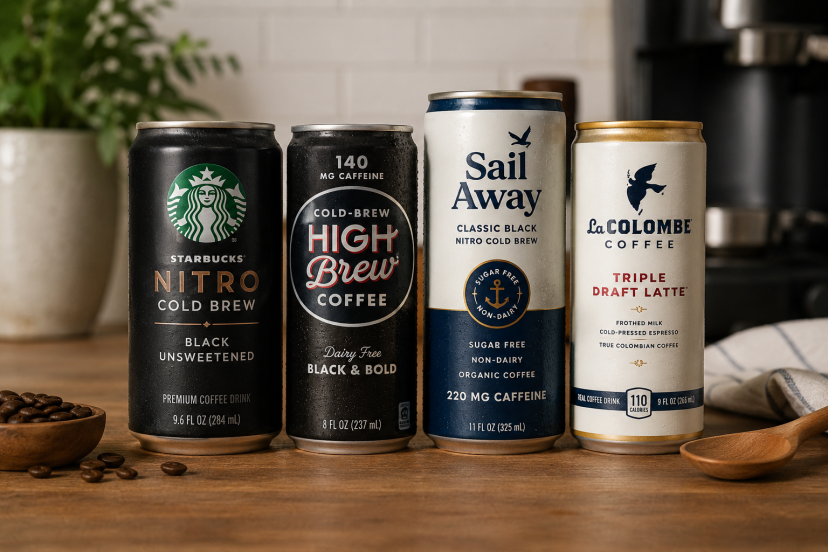
Four Canned Coffees to Consider
1. Starbucks Nitro Cold Brew Black Unsweetened
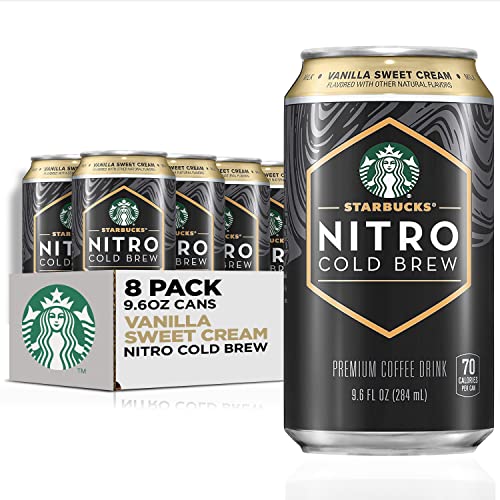


Indulge in the rich and velvety experience of Starbucks Nitro Cold Brew with Vanilla Sweet Cream. This pack includes 8 cans of 9.6 fl oz each, offering a smooth and delicious cold brew infused with nitrogen for a creamy texture. The moment you open the can, experience the rush of velvety smooth taste. Simply tilt, pop, and pour into a cold glass for maximum enjoyment. The Vanilla Sweet Cream flavor adds a delightful twist to the classic Nitro Cold Brew.
- Nitrogen-Infused: Offers a creamy texture and velvety smooth taste due to nitrogen infusion.
- Convenient Packaging: Comes in ready-to-drink cans, providing convenience for on-the-go consumption.
- Variety of Flavors: Available in multiple flavors, allowing you to choose based on your preference.
- Limited Flavors in Pack: This pack specifically includes Vanilla Sweet Cream; other flavors may need to be purchased separately.
- Sweetened: The Vanilla Sweet Cream flavor may contain added sweetness, which might not suit everyone's taste.
- Packaging May Vary: The appearance of the packaging may vary, and consumers should be mindful of this.
Best for: A familiar, widely available unsweetened coffee.
This 9.6-fluid-ounce canned nitro cold brew is sold as black and unsweetened. Nitrogen gives it a smoother, creamier mouthfeel without requiring milk or sugar. It is a practical option for people who want simple grab-and-go coffee without the sweetness of a canned latte.
Health advantage: No sweetener is needed to create the creamy texture.
Watch for: Caffeine sensitivity. “Unsweetened” does not mean caffeine-free, so confirm the amount printed on the current can.
2. HIGH Brew Coffee Cold Brew Coffee + Protein



Elevate your cold brew experience with HIGH Brew Coffee + Protein in Creamy Cappuccino flavor. This 12-pack of 8 oz cans offers a bold, smooth, and triple-filtered brew. With twice the caffeine and 12 grams of protein per serving, it provides an energizing and satisfying coffee boost. Gluten-free, low sugar, and low acidity ensure a delicious and guilt-free indulgence.
- Elevated Cold Brew: Creamy Cappuccino flavor for a premium cold brew experience.
- High Caffeine & Protein: Twice the caffeine, 12 grams of protein per serving.
- Triple Filtered & Slow Brewed: Crafted for a bold and smooth flavor profile.
- Flavor Specific: Limited to Creamy Cappuccino.
- 8 oz Size: Smaller can size compared to some alternatives.
- High Caffeine and Protein: May not be suitable for those sensitive to caffeine or seeking lower protein intake.
Best for: A protein-rich canned coffee that can double as a convenient snack.
High Brew Coffee + Protein Creamy Cappuccino combines cold brewed coffee with added protein in a ready-to-drink can. It is made for people who want more staying power than a standard black coffee, offering a creamy cappuccino flavor while providing extra protein to help keep you satisfied between meals.
Health advantage: The added protein can make it more filling than regular canned coffee, making it a practical option for busy mornings or an afternoon pick-me-up. It is also gluten-free.
Watch for: Compared with plain black canned coffee, protein coffees typically contain more calories and may include added sugar, dairy ingredients, or sweeteners. Check the Nutrition Facts label for protein, added sugar, caffeine, and calories to make sure it fits your dietary needs.
3. Slate Milk High Protein Iced Coffee Energy Variety Pack

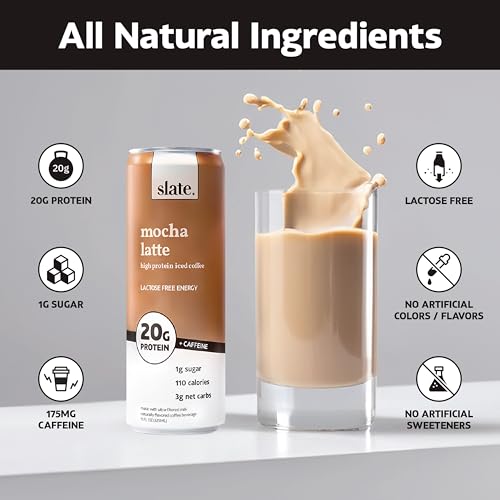

Power up your day with Slate Milk High Protein Iced Coffee, a delicious and functional blend of bold coffee flavor, high-quality protein, and smooth, creamy texture. This Energy Variety Pack features three irresistible flavors—Caramel Latte, Mocha Latte, and Vanilla Latte—each packed with 175mg of caffeine to keep you energized and 20g of protein to fuel your body. With only 1g of sugar and a lactose-free formula, Slate Milk is the perfect choice for those looking for a healthier, high-performance coffee option. Whether you're kickstarting your morning or refueling post-workout, this ready-to-drink protein coffee delivers both taste and nutrition in every sip.
- High in Protein: 20g per can for muscle support and sustained energy
- Lactose-Free & Low Sugar: Easier to digest with only 1g of sugar per serving
- Strong Caffeine Boost: 175mg of caffeine per can for enhanced focus and energy
- Pricey Compared to Regular Coffee: Higher cost per can than standard iced coffee
- Limited Flavor Strength: Some may find the flavors lighter than expected
- Not Suitable for Caffeine-Sensitive Individuals: High caffeine content may be too strong for some
Best for: People who want a high-protein iced coffee with a strong caffeine boost.
Slate Milk High Protein Iced Coffee combines ultra-filtered lactose-free milk with coffee to deliver 20 grams of protein, 175 milligrams of caffeine, and just 1 gram of sugar per can. Available in flavors such as Caramel, Mocha, and Vanilla Latte, it offers a convenient option for those looking for both energy and extra protein in one ready-to-drink beverage.
Health advantage: Each can is high in protein, low in sugar, and lactose-free, making it a satisfying choice for people seeking a more filling coffee without the high sugar content found in many flavored coffee drinks.
Watch for: Its relatively high caffeine content may not be suitable for people who are sensitive to caffeine. Although it is low in sugar, it should be considered a snack or beverage with nutritional value rather than a replacement for balanced meals.
4. La Colombe Triple Draft Latte


La Colombe Vanilla Draft Latte with Oatmilk offers a ready-to-drink experience with the full taste and texture of a true cold draft latte. Each 9 Fl. Oz. can is filled with sustainably sourced lactose-free oatmilk, real vanilla, and 100% arabica, single-origin Brazilian cold brew. The addition of nitrous oxide creates a consistently silky, thick texture, and a specially designed sip-thru lid enhances the drinking experience. With only 120 calories per can, this dairy-free and vegan latte provides 120mg of natural caffeine, making it a convenient and delicious choice.
- Ready to Drink: Conveniently pre-made and chilled in a 4-pack for on-the-go enjoyment.
- Real Ingredients: Made with plant-based, sustainably sourced oatmilk, real vanilla, and high-quality arabica coffee.
- Silky Texture: Nitrous oxide infusion creates a consistently silky and thick texture for a premium latte experience.
- Personal Flavor Preferences: The vanilla flavor may not suit individuals who prefer different latte flavors.
- Caloric Content: While relatively low in calories, individuals on strict calorie-controlled diets may need to consider their intake.
- Packaging Variability: Packaging may vary, so it's advisable to check the specific packaging when purchasing.
Best for: A creamy canned latte with controlled added sugar.
The 11-fluid-ounce Triple Draft Latte contains approximately 150 milligrams of caffeine, 130 calories, and 4 grams of added sugar, according to available product information. It is made with milk and cold-pressed espresso and provides calcium and vitamin D.
Health advantage: It offers a creamy latte experience with substantially less added sugar than many flavored café beverages.
Watch for: Dairy allergens and total caffeine intake. It is more substantial than black coffee, so consider it a small latte or snack rather than calorie-free hydration.
What Is Canned Coffee?
Canned coffee is a ready-to-drink beverage made with brewed coffee, cold brew concentrate, espresso, or instant coffee. Depending on the product, it may also contain dairy milk, oat milk, cream, protein, sugar, syrups, flavorings, stabilizers, non-nutritive sweeteners, vitamins, or additional caffeine.
The main types include:
- Black canned coffee: Usually contains coffee and water and may be infused with nitrogen.
- Cold brew: Made by extracting coffee with cool or room-temperature water and packaging it as a ready-to-drink beverage.
- Nitro cold brew: Cold brew infused with nitrogen to produce a smooth, creamy texture without necessarily adding milk.
- Canned latte: Coffee blended with dairy or plant-based milk, often with added sweetener.
- Protein coffee: Coffee combined with milk protein, whey, or another protein source.
- Coffee energy drink: Coffee formulated with a higher caffeine dose or additional functional ingredients.
Two cans with similar branding can have completely different nutrition profiles. One may contain almost no calories or sugar, while another may resemble a sweet café latte. The Nutrition Facts panel is therefore more informative than claims on the front of the package.
Is Canned Coffee Healthy?
For most healthy adults, unsweetened canned coffee can be a reasonable everyday beverage. Coffee contains caffeine and naturally occurring plant compounds, and moderate coffee consumption has been associated in observational research with several potential health benefits.
These associations do not prove that coffee prevents disease, however, and they should not automatically be applied to heavily sweetened coffee drinks.
A healthier canned coffee will generally:
- Keep added sugar low
- Provide a caffeine amount you can tolerate
- Fit your calorie needs
- Avoid ingredients that trigger allergies or digestive symptoms
- Complement, rather than replace, a balanced diet
A zero-sugar black coffee and a creamy 200-calorie mocha should not be evaluated as though they are the same beverage. Both may fit into a balanced diet, but they serve different purposes.
Potential Benefits of Canned Coffee
Convenient and Portion-Controlled
A sealed can is easy to store, transport, and drink without brewing equipment. Its fixed serving size can also make caffeine tracking easier than ordering a café drink whose recipe changes with the size, milk, syrup, or number of espresso shots.
Check that the can represents one serving. Some larger ready-to-drink containers may contain more than one serving, meaning the listed calories, sugar, and caffeine do not necessarily represent the entire package.
Black Versions Are Low in Calories
Plain coffee is naturally low in calories. When a canned product contains only coffee, water, and nitrogen, it can provide coffee flavor and caffeine without contributing meaningful amounts of sugar or fat.
Harvard’s Nutrition Source reports that an eight-ounce serving of plain black coffee contains about two calories. An unsweetened canned coffee may therefore be a practical alternative to soda, blended coffee, or a sugar-sweetened energy drink.
Some Products Provide Protein and Micronutrients
Milk-based canned lattes can contribute protein, calcium, and vitamin D. Protein-focused coffees may provide considerably more protein than ordinary coffee and can work as a convenient snack.
Added protein does not automatically make a product healthier, however. Check the full label for calories, saturated fat, sodium, sweeteners, and caffeine. A protein coffee should not be treated as a complete meal unless it is specifically formulated and labeled for that purpose.
They May Replace More Sugary Drinks
A lightly sweetened or unsweetened coffee can help someone reduce their reliance on large flavored lattes, soda, or high-sugar energy drinks. The key is comparing labels rather than assuming every coffee product is lower in sugar than other beverages.
The Main Health Concerns
Added Sugar
Added sugar is often the most important number to check in sweetened canned coffee. The U.S. Food and Drug Administration requires added sugars to be listed separately from total sugars on the Nutrition Facts label.
Total sugar may include naturally occurring lactose from milk, while added sugar refers to sweeteners introduced during processing.
The American Heart Association recommends limiting added sugar to approximately 25 grams per day for most women and 36 grams per day for most men. A single sweetened coffee can use a substantial portion of that amount.
Frequently consuming sugar-sweetened beverages is associated with weight gain, obesity, type 2 diabetes, heart disease, and tooth decay.
For an everyday canned coffee, 0 to 5 grams of added sugar per can is a useful practical target, although it is not an official medical cutoff. Drinks with more sugar can still be enjoyed occasionally when the rest of the diet is relatively low in added sugar.
Caffeine
Caffeine content varies considerably between brands. The FDA states that up to 400 milligrams per day is not generally associated with negative effects for most adults, but sensitivity and caffeine metabolism differ from person to person.
Some small canned coffees contain between 140 and 220 milligrams. Drinking two strong cans can therefore bring someone close to or above the FDA’s general daily level.
Too much caffeine may contribute to:
- Difficulty sleeping
- Anxiety or restlessness
- Heartburn
- Headaches
- A racing or pounding heartbeat
- Temporary blood-pressure changes
Mayo Clinic notes that caffeine can cause insomnia, anxiety, heartburn, and palpitations in some people.
Count caffeine from all sources, including tea, soda, energy drinks, chocolate, pre-workout supplements, and certain medications. Timing also matters. A nutritionally sound coffee may still be a poor afternoon choice when it disrupts sleep.
Calories and Saturated Fat
Black coffee has few calories, but canned lattes may contain milk, cream, coconut milk, oils, or added protein. These ingredients can make the beverage more satisfying, but they may also raise its calorie and saturated-fat content.
That does not automatically make the product unhealthy. A 130-calorie latte may be a sensible snack for one person and unnecessary liquid calories for another.
Consider whether the drink is replacing breakfast, dessert, or a café latte, or whether it is simply being added to your usual intake.
Sweeteners and Stabilizers
Some low-sugar canned coffees use stevia, monk fruit, sucralose, gums, or stabilizers. These ingredients help create sweetness, texture, and shelf stability. Their presence does not automatically make a product unhealthy.
Individual tolerance matters. Certain sweeteners and gums may cause an aftertaste, bloating, or digestive discomfort in some people. A shorter ingredient list can make triggers easier to identify, but “short” does not always mean nutritionally superior.
Teeth, Heartburn, and Sensitive Stomachs
Sweet canned coffee exposes teeth to both sugar and acidity. Slowly sipping it over several hours can extend that exposure. Drinking it with a meal, finishing it within a reasonable period, and rinsing with water afterward may be preferable to constant sipping.
Caffeine and coffee may also worsen heartburn or palpitations in susceptible people. When a specific product repeatedly causes symptoms, reducing the serving size, switching to decaf, or avoiding it may be more useful than choosing a different flavor with similar caffeine.
How to Read a Canned Coffee Label
Check the Serving Size
Look at both the serving size and the servings per container. Do not assume the numbers apply to the entire package.
Find the Caffeine Amount
Caffeine is not always included in the Nutrition Facts box. Look on the front or back of the can, near the ingredients, or on the manufacturer’s product page.
Compare Added Sugar
Do not look only at total sugar. A dairy latte may contain naturally occurring milk sugar. The line reading “Includes X g Added Sugars” identifies the amount added during manufacturing.
Review Calories and Saturated Fat
Decide whether the product is functioning as plain coffee, a snack, or a dessert. This context is more useful than labeling a particular calorie number as universally good or bad.
Check Protein and Allergens
Milk-based drinks may contain dairy even when labeled lactose-free. Plant-based products may contain oats, almonds, coconut, soy, or other allergens. Lactose-free does not mean dairy-free.
Read the Ingredients
Ingredients are listed in descending order by weight. Sugar, syrup, cream, or oil near the beginning of the list indicates that the beverage contains more than coffee and water.
Who Should Be More Careful?
Pregnant people should generally keep caffeine intake below 200 milligrams per day, according to the American College of Obstetricians and Gynecologists. One strong canned coffee can approach or exceed that amount.
People with anxiety, insomnia, heart palpitations, uncontrolled blood pressure, gastroesophageal reflux, or significant caffeine sensitivity may need a lower-caffeine or decaffeinated option. Anyone taking medication that may interact with caffeine should speak with a clinician or pharmacist.
Children and adolescents should not use the FDA’s adult caffeine level as a target. Highly caffeinated canned coffee should not be treated as a routine beverage for children.
How to Make Canned Coffee a Healthier Habit
Choose unsweetened or lightly sweetened products most often. Treat sweeter lattes as occasional snacks or desserts rather than ordinary hydration.
Drink canned coffee earlier in the day, particularly when caffeine affects your sleep. Pair it with food if coffee causes jitters or stomach discomfort.
Instead of adding flavored syrup, pour an unsweetened coffee over ice with a small amount of milk. Avoid combining a strong canned coffee with energy drinks or pre-workout supplements.
Most importantly, judge the drink by its complete label. Terms such as “organic,” “nitro,” “protein,” “plant-based,” and “keto” describe specific product features. They do not guarantee that the beverage is the best choice for your needs.
The Bottom Line
Canned coffee can be healthy when it is low in added sugar, moderate in caffeine, and appropriate for your calorie and dietary needs. Unsweetened black varieties are usually the simplest everyday choices.
Milk-based or protein coffees can also fit into a balanced diet, particularly when they replace a less nutritious snack. However, they should be evaluated as food rather than plain coffee.
The most important numbers are the serving size, caffeine, added sugar, calories, and saturated fat. Read the label, consider the rest of your daily intake, and pay attention to how caffeine affects your sleep, digestion, anxiety, and heart rate.
Frequently Asked Questions
1. Is canned coffee healthier than an energy drink?
It can be, especially when it contains only coffee and water. Energy drink and canned coffee formulas vary, however. Compare caffeine, added sugar, calories, serving size, and ingredients rather than relying on the beverage category.
2. Is it safe to drink canned coffee every day?
For many healthy adults, one appropriately portioned canned coffee can fit into a daily routine. Keep total caffeine within a level you tolerate, limit added sugar, and avoid using coffee to compensate for ongoing sleep deprivation.
3. Does canned coffee have more caffeine than regular coffee?
Sometimes. Caffeine depends on the coffee concentration and serving size, not the container. A small canned cold brew may contain more caffeine than a standard cup of coffee, while another canned latte may contain less. Check the stated milligrams on every product.
4. Is sugar-free canned coffee automatically healthy?
No. A sugar-free product can still be high in caffeine, calories, saturated fat, or sodium. It may also contain sweeteners that some people do not tolerate well. Sugar is only one part of the label.
5. Does canned coffee need refrigeration?
Unopened shelf-stable cans generally do not require refrigeration, but they should be stored according to the manufacturer’s instructions. Refrigerate the drink after opening. Discard any can that is swollen, leaking, seriously damaged, or produces an unusual smell when opened.