Ristretto vs Espresso: What’s the Difference and Which Should You Choose?
*We may earn a commission for purchases made using our links. Please see our disclosure to learn more.
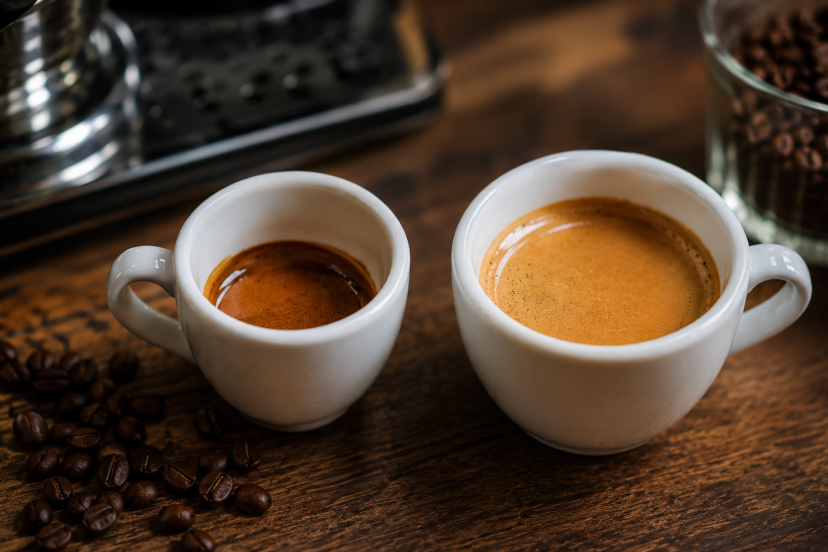
Ristretto and espresso may look almost identical at first glance. Both are concentrated coffee drinks made by forcing hot water through finely ground coffee under pressure, both develop a layer of crema, and both are typically served in small cups. Yet the difference in how much water passes through the coffee changes almost everything about the finished drink.
The simplest way to understand ristretto vs espresso is through brew ratio. A traditional espresso generally produces about twice as much liquid as the dry coffee dose—a ratio close to 1:2. A ristretto, meaning “restricted” or “shortened” in Italian, stops the extraction earlier, commonly around 1:1 to 1:1.5.
That shorter extraction gives ristretto its signature dense body, concentrated aroma, and often sweeter, less bitter character. Espresso allows more water through the coffee puck, producing a larger and generally more balanced shot with a broader range of extracted flavors.
Neither is automatically better. Ristretto is ideal when you want an intense, syrupy coffee experience, while espresso remains the versatile standard for drinking straight or building lattes, cappuccinos, Americanos, and other café drinks.
“Our research suggests that the average barista uses a 1:2 brew ratio when extracting espresso and uses weight for output measurement.”
— Specialty Coffee Association
Key Takeaways
- Ristretto uses less water than espresso. It commonly falls around a 1:1 to 1:1.5 coffee-to-beverage ratio, while espresso typically lands around 1:2.
- Ristretto tastes more concentrated. Its smaller yield gives it a thick, syrupy mouthfeel and an intense flavor in each sip.
- Espresso is usually more balanced. The longer extraction develops a wider spectrum of sweetness, acidity, bitterness, and aroma.
- Ristretto is not necessarily more caffeinated. It may contain slightly less total caffeine than an espresso made from the same dose because less beverage is extracted.
- Both use the same basic equipment. An espresso machine, finely ground coffee, a portafilter, and accurate scales can produce either drink.
- Your preference matters most. Choose ristretto for concentrated sweetness and espresso for versatility and a longer, more balanced finish.
4 Coffee Products Worth Trying for Ristretto and Espresso
The best coffee depends on whether you prefer classic chocolate-and-nut flavors or brighter specialty-coffee characteristics. These four options offer useful starting points for experimenting with both extraction styles.
1. Lavazza Super Crema Whole Bean Coffee
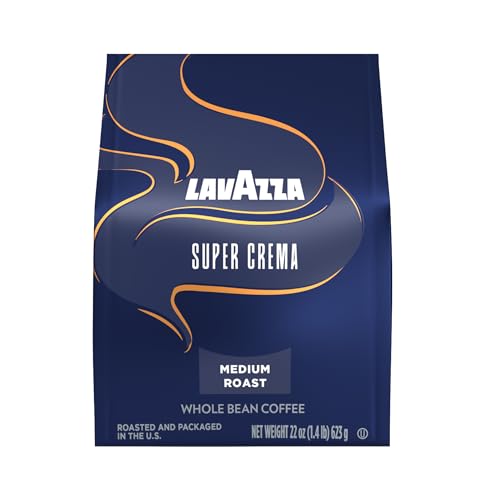


Lavazza Super Crema Whole Bean Coffee is a smooth, full-bodied blend that works exceptionally well for mocha iced coffee. Made from a balanced mix of Arabica and Robusta beans, this medium espresso roast delivers a creamy texture and bold flavor that pairs perfectly with chocolate and milk. Its rich crema and balanced intensity help mocha iced coffee stay flavorful even when poured over ice.
- Flavor Balance: Creamy, bold profile that complements mocha iced coffee
- Bean Quality: Arabica and Robusta blend adds body and caffeine strength
- Versatility: Excellent for espresso shots and iced coffee bases
- Grind Required: Whole beans need a grinder before brewing
- Flavor Profile: May feel too strong for light-roast coffee fans
- Storage Care: Requires proper sealing to maintain freshness
Best for: Traditional, crema-rich ristretto and espresso
Lavazza Super Crema combines Arabica and Robusta and is designed with espresso preparation in mind. Lavazza describes it as full-bodied and harmonious, with roasted hazelnut and brown-sugar characteristics; the current U.S. product information lists a medium roast and nutty aromatic profile.
The Arabica–Robusta composition makes it particularly appealing if you enjoy classic Italian-style coffee with a substantial body and visible crema.
Try it as a ristretto if you want to emphasize its dense texture and nutty sweetness.
2. illy Classico Whole Bean Coffee


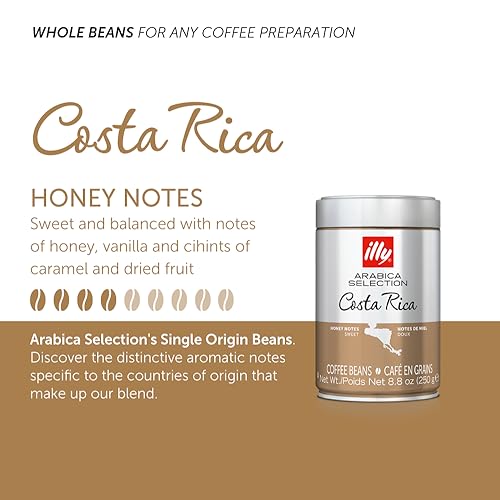
Embark on a full-flavored coffee adventure with Illy Whole Bean Coffee, featuring the Costa Rica Single Origin Medium Roast. This 8.8-ounce package introduces you to a sweet and balanced coffee experience with delightful notes of honey, vanilla, citrus, hints of caramel, and dried fruit. Illy's commitment to perfection shines through with their expertly roasted 100% Arabica coffee beans, ensuring a rich aromatic profile, balanced flavor, and a unique aroma.
- Rich Flavor Profile: Sweet and balanced notes of honey, vanilla, citrus, caramel, and dried fruit.
- Classic Italian Experience: Craft a fresh and immediate coffee indulgence at home.
- Illy Expertise: Perfected roasting process for a rich aromatic profile and unique aroma.
- Sustainable Commitment: Illy actively contributes to environmental and community well-being.
- Single Origin: Limited to Costa Rica Single Origin Medium Roast; may not cater to those seeking variety.
- Higher Price Point: Premium quality comes with a relatively higher price.
- Packaging Size: The 8.8-ounce pack may be more than needed for occasional users, potentially leading to excess waste.
Best for: Smooth, balanced shots
illy Classico is a 100% Arabica medium roast with notes of caramel, orange blossom, and jasmine. illy describes it as smooth and velvety with a sweet finish.
This is a useful choice for drinkers who want less roast-forward intensity than traditional Arabica–Robusta espresso blends.
As espresso, it can showcase a balanced combination of sweetness and aroma. Pulled shorter as ristretto, its caramel-like sweetness and floral character can become more concentrated.
3. Stumptown Hair Bender


Indulge in the exquisite taste of Stumptown Coffee's Hair Bender, a 12 oz blend crafted by the renowned Stumptown Coffee Roasters in Portland. This whole bean coffee is roasted fresh in small batches, ensuring a rich and complex flavor profile. With notes of milk chocolate, caramel, jasmine, meyer lemon, apricot, and pineapple, this caffeinated blend offers a delightful balance of sweetness and savory undertones. Perfect for espresso enthusiasts, each sip promises a luxurious coffee experience that's both satisfying and invigorating.
- Rich Flavor Profile: With a harmonious blend of milk chocolate, caramel, and fruity notes, Stumptown's Hair Bender delivers a complex and satisfying flavor profile that tantalizes the taste buds.
- Freshly Roasted: Roasted in small batches in Portland, this coffee ensures freshness and quality.
- Versatile Use: While great for espresso, this blend's versatility extends to various brewing methods, making it suitable for drip coffee, French press.
Best for: Specialty-style ristretto
Hair Bender is Stumptown Coffee Roasters’ signature espresso blend. The company lists flavor notes of citrus, dark chocolate, and raisin and describes the blend as balanced and suitable for espresso as well as other brewing methods.
This makes Hair Bender particularly interesting for anyone who wants to move beyond a traditional dark, roasty espresso profile.
A ristretto can concentrate the blend’s chocolate and fruit character, while a standard espresso allows more of its acidity and complexity to unfold.
4. Lavazza Gran Riserva Filtro Whole Bean Coffee Dark Roast


Lavazza presents its Gran Riserva Filtro Whole Bean Coffee in a 2.2-pound bag, featuring a dark roast of 100% natural Arabica beans. This blend, authentically roasted in Italy, delivers a dark and bold taste with aromatic notes of cocoa and caramel. Crafted for use in drip coffee makers or French presses, it contains only coffee and is free from nuts.
- Authentic Italian Roast: Blended and roasted in Italy for an authentic experience.
- Bold Flavor: Offers a dark and robust taste with notes of cocoa and caramel.
- Versatile Brewing: Suitable for drip coffee makers or French presses.
- Dark Roast Preference: Might be too intense for those favoring milder flavors.
- Limited Usage: Primarily designed for drip coffee or French press, limiting versatility.
- Packaging Size: Larger quantities may pose challenges in maintaining freshness for some users.
Best for: Dark, full-bodied espresso with cocoa and caramel notes
Lavazza Gran Riserva Filtro is a dark-roast, 100% Arabica whole-bean coffee with a rich, traditional Italian-style profile. It features aromatic notes of cocoa and caramel, giving the cup a deep sweetness alongside its roasted character.
Its fuller body and darker roast make it a strong choice for espresso, cappuccinos, and lattes, especially if you prefer bold coffee flavors that remain noticeable through milk. Pulled as a ristretto, the shorter extraction can further concentrate its cocoa and caramel notes while creating a denser, more intense cup.
For home baristas who enjoy classic dark-roast coffee, its straightforward flavor profile makes it a useful option for comparing standard espresso ratios with shorter ristretto extractions.
What Is Espresso?
Espresso is a concentrated coffee preparation made by forcing heated water through a compact puck of finely ground coffee under pressure.
Historically, the Specialty Coffee Association described espresso as approximately 25 to 35 milliliters made from 7 to 9 grams of coffee for a single serving, with extraction occurring under roughly 9 to 10 atmospheres of pressure. Modern specialty coffee shops commonly work with larger double-shot doses.
In an SCA survey of professional baristas, most average coffee doses fell between 18 and 20 grams, while the average beverage output was 36.5 grams. A 1:2 brew ratio was the most common approach.
For example:
18 grams of ground coffee → approximately 36 grams of espresso
This ratio is not an unbreakable law. Coffee origin, roast level, grinder, basket, water chemistry, and flavor goals can all justify adjusting the recipe. However, 1:2 is an excellent reference point when explaining conventional modern espresso.
The resulting drink usually combines sweetness, acidity, bitterness, aroma, body, and crema in a relatively balanced package.
What Is a Ristretto?
A ristretto is essentially a shorter, more concentrated espresso extraction.
Instead of allowing the full espresso yield into the cup, the shot is stopped sooner. The dry coffee dose may remain the same, but the final beverage weighs considerably less.
For example:
18 grams of ground coffee → approximately 18 to 27 grams of ristretto
That corresponds roughly to a beverage ratio between 1:1 and 1:1.5.
The Specialty Coffee Association has used a beverage ratio of about 1.5 as an example for ristretto when discussing differences between coffee extraction methods.
Because there is less liquid in the cup, a ristretto often feels denser and more concentrated than espresso.
It is important, however, not to think of ristretto simply as “half an espresso.” Its extraction profile changes because the cup contains a greater proportion of compounds released during the earlier part of brewing and less material from the later part.
That changes not only volume but also flavor and mouthfeel.
Ristretto vs Espresso at a Glance
| Feature | Ristretto | Espresso |
|---|---|---|
| Typical brew ratio | 1:1 to 1:1.5 | Around 1:2 |
| Example using 18 g coffee | 18–27 g beverage | Around 36 g beverage |
| Serving size | Smaller | Larger |
| Flavor | Concentrated, often sweeter | Balanced and complex |
| Body | Very thick and syrupy | Full and creamy |
| Bitterness | Often lower | Usually more noticeable |
| Aroma | Highly concentrated | Broader and more developed |
| Total caffeine | Often slightly lower | Often slightly higher |
| Best for | Straight sipping, intense milk drinks | Straight shots and most espresso drinks |
These numbers are useful starting points rather than rigid standards. Baristas frequently adjust recipes based on the coffee being used.
Ristretto vs Espresso Brew Ratio
Brew ratio is the clearest technical difference between ristretto and espresso.
For espresso, the ratio compares the weight of dry coffee in the portafilter with the weight of the beverage in the cup.
An espresso recipe might look like this:
18 g coffee in → 36 g espresso out = 1:2
A ristretto recipe might look like:
18 g coffee in → 22 g ristretto out = approximately 1:1.2
The lower ratio creates a drink with less water and a higher concentration of dissolved coffee material per sip.
This is why weighing your shot is far more useful than judging it visually. Crema can make liquid volume misleading, particularly with freshly roasted coffee or blends containing Robusta.
For consistent results, place your cup on a scale and stop the extraction according to beverage weight.
Does Ristretto Use Less Coffee Than Espresso?
Usually, no.
Ristretto and espresso can begin with exactly the same coffee dose.
If you dose 18 grams for espresso, you can also use 18 grams for ristretto. The difference is how much beverage you allow the machine to produce.
This distinction matters because some people assume a ristretto is made with fewer beans. In reality, it is generally made with less water relative to the same amount of coffee.
That is one reason it tastes so intense.
How Extraction Changes the Flavor
Coffee extraction does not happen uniformly.
Different soluble compounds leave the coffee grounds at different rates, and their concentrations change throughout the shot.
Scientific research examining espresso extraction has shown that the concentrations of extracted components vary significantly as brewing progresses and that many components are extracted heavily during the early part of the process. Researchers studying ristretto, espresso, and lungo preparations also found that total extracted beverage mass has an important influence on the composition of the final cup.
That helps explain why stopping a shot early can produce a different sensory balance.
Ristretto Flavor
Ristretto is commonly described as:
- Sweet
- Syrupy
- Dense
- Intense
- Aromatic
- Smooth
- Less bitter
Its small volume concentrates the coffee’s flavor and body.
With a well-dialed coffee, chocolate, caramel, fruit, nut, or floral characteristics can become particularly vivid.
However, ristretto is not automatically sweet. Poor grind settings, uneven puck preparation, unsuitable beans, or an overly short extraction can still create sour, salty, or unbalanced flavors.
Espresso Flavor
Espresso generally provides a wider progression of flavors.
A properly extracted shot may combine:
- Sweetness
- Acidity
- Bitterness
- Fruit or floral notes
- Chocolate or caramel tones
- Roasted characteristics
- A lingering finish
Because more beverage is extracted, espresso frequently feels more complete and balanced than a short ristretto.
For people learning espresso preparation, a standard 1:2 shot is usually the easier reference point before experimenting with restricted ratios.
Is Ristretto Stronger Than Espresso?
It depends on what you mean by stronger.
If stronger means more concentrated in flavor, ristretto generally wins.
You are getting a similar dose of coffee presented in considerably less liquid, so each sip can feel more powerful.
If stronger means more total caffeine, espresso may have the edge.
The difference between concentration and caffeine is important. A smaller drink can taste stronger without containing more caffeine overall.
Ristretto vs Espresso Caffeine
A ristretto made from the same coffee dose generally should not be assumed to contain more caffeine simply because it tastes stronger.
Research into espresso extraction demonstrates that caffeine extraction changes during brewing and that factors such as grind size, flow rate, temperature, and total beverage mass influence what reaches the cup.
Much of the caffeine begins extracting early, which means a ristretto can still contain a substantial portion of the caffeine available in the coffee puck.
However, because the shot is stopped earlier and less liquid is collected, its total caffeine is often somewhat lower than that of a full espresso made with the same dose.
The difference is not fixed.
Bean variety also matters. Coffees containing more Robusta can have significantly different caffeine levels from 100% Arabica blends.
Therefore, it is better to think of caffeine this way:
Ristretto = more concentrated taste per sip, not automatically more caffeine per serving.
Crema and Appearance
Both espresso and ristretto can develop crema—the reddish-golden foam formed on top of freshly extracted espresso.
Because ristretto has a smaller beverage volume and dense texture, the crema can appear especially prominent relative to the amount of liquid beneath it.
Espresso generally produces a taller drink with more separation between crema and the liquid portion.
Crema itself should not be treated as the sole measure of coffee quality. Bean freshness, roast style, Robusta content, pressure, temperature, and many other factors influence how much crema a shot produces.
Taste remains more important than appearance.
Ristretto vs Espresso in Milk Drinks
Both shots can work beautifully with milk, but they create different results.
Ristretto With Milk
Ristretto’s concentrated sweetness and thick texture can cut through steamed milk effectively.
It works particularly well when you want the coffee flavor to remain obvious in a smaller drink.
Good options include:
- Flat whites
- Cortados
- Small lattes
- Cappuccinos
- Piccolo-style drinks
Because the ristretto contains less water, the finished milk drink may also feel slightly richer.
Espresso With Milk
Standard espresso remains the most versatile choice.
Its balanced extraction works with almost every traditional espresso-and-milk combination, including:
- Lattes
- Cappuccinos
- Flat whites
- Macchiatos
- Cortados
- Mochas
If you are following a café recipe, espresso is generally the safest starting point unless the recipe specifically calls for ristretto.
How to Make a Ristretto at Home
If your machine can make espresso, it can usually make ristretto.
Start with a standard espresso recipe and adjust the beverage yield.
Basic Ristretto Recipe
- Dose approximately 18 grams of freshly ground coffee into your portafilter.
- Distribute the grounds evenly.
- Tamp consistently.
- Place your cup and scale under the portafilter.
- Start the extraction.
- Stop at approximately 18 to 27 grams of beverage.
- Taste the shot.
- Adjust grind size and ratio until sweetness, acidity, and body are balanced.
Do not rely solely on extraction time.
Yield and taste are more important. Two coffees can reach the same beverage weight at different times and still require different grind adjustments.
How to Make Espresso at Home
A good starting recipe is:
18 grams coffee → 36 grams espresso
Aim for a consistent, even extraction and then adjust according to taste.
If the shot tastes sharply sour or thin, you may need a finer grind or greater extraction.
If it tastes aggressively bitter, harsh, or dry, you may need a coarser grind or shorter extraction.
The exact recipe depends on the coffee, but the 1:2 ratio provides a practical baseline.
Which Coffee Beans Are Best for Ristretto?
There is no special “ristretto bean.”
Any coffee suitable for espresso can potentially work as ristretto.
However, certain flavor profiles tend to translate particularly well into shorter ratios.
Look for coffees with:
- Chocolate notes
- Caramel sweetness
- Nutty characteristics
- Ripe fruit flavors
- Medium to medium-dark roast development
- Good body
Traditional Arabica–Robusta espresso blends often create a thick crema and bold mouthfeel.
Specialty Arabica blends can produce brighter and more complex ristretto shots.
Lighter-roasted single-origin coffees can also work, although they may require greater care with grind, temperature, and ratio to avoid excessive acidity.
Ristretto vs Espresso: Which Is Better?
Neither is universally better.
Choose ristretto if you prefer:
- Short, concentrated coffee
- Thick, syrupy texture
- Pronounced sweetness
- Less emphasis on bitterness
- Intense straight shots
- Coffee-forward small milk drinks
Choose espresso if you prefer:
- A larger shot
- Greater flavor balance
- More complexity across the extraction
- A longer finish
- Maximum versatility
- A traditional base for café drinks
If you are new to espresso, start with a standard 1:2 recipe. Once your shots are consistent, try reducing the beverage yield gradually.
For example, compare:
- 18 g coffee → 36 g espresso
- 18 g coffee → 27 g short shot
- 18 g coffee → 20 g ristretto
Taste them side by side.
That experiment will teach you more about ristretto versus espresso than appearance alone ever could.
Final Verdict: Ristretto or Espresso?
The difference between ristretto and espresso ultimately comes down to extraction ratio and the flavor experience it creates.
Espresso typically uses roughly a 1:2 coffee-to-beverage ratio, producing a balanced, full-bodied shot with enough complexity to drink alone or combine with milk.
Ristretto restricts the beverage yield to roughly 1:1 to 1:1.5, creating a smaller and more concentrated shot. Its dense texture, intense aroma, and tendency toward sweeter, less bitter flavors make it particularly attractive to drinkers who enjoy bold coffee in a small package.
Ristretto may taste stronger, but that does not mean it automatically contains more caffeine. Its intensity comes primarily from concentration.
The best choice is ultimately the one that tastes best to you. If you own an espresso machine, you do not even have to choose permanently. Use the same beans and dose, change the beverage yield, and experience how dramatically a few grams of liquid can transform the cup.
Frequently Asked Questions
1. Is ristretto stronger than espresso?
Ristretto generally tastes stronger because a similar amount of coffee is concentrated into less liquid. However, stronger flavor does not necessarily mean more caffeine. A full espresso may contain slightly more total caffeine because the extraction continues longer.
2. Does ristretto have less caffeine than espresso?
Often, yes, when both drinks start with the same amount of ground coffee. A ristretto is stopped earlier, so less total beverage is extracted. The difference may be modest because caffeine begins extracting early in the brewing process, and exact amounts vary with the beans and recipe.
3. Is ristretto sweeter than espresso?
Ristretto often tastes sweeter and less bitter because the shot emphasizes the earlier part of extraction and contains less material from later stages. However, bean choice, roast, grind, temperature, and extraction quality can all change the final flavor.
4. Can you use regular espresso beans for ristretto?
Yes. There are no beans that must be used exclusively for ristretto. Any coffee that performs well as espresso can be tested at a shorter ratio. Medium roasts, traditional espresso blends, and coffees with chocolate, caramel, nut, or fruit notes are good starting points.
5. Which is better in a latte, ristretto or espresso?
Both work. Espresso provides the balanced, familiar coffee base used in most latte recipes. Ristretto produces a smaller, denser shot that can make the coffee taste sweeter and more concentrated against the milk. Choose espresso for versatility and ristretto when you want a richer, more concentrated coffee flavor.