Black Coffee: Meaning and Origins
*We may earn a commission for purchases made using our links. Please see our disclosure to learn more.
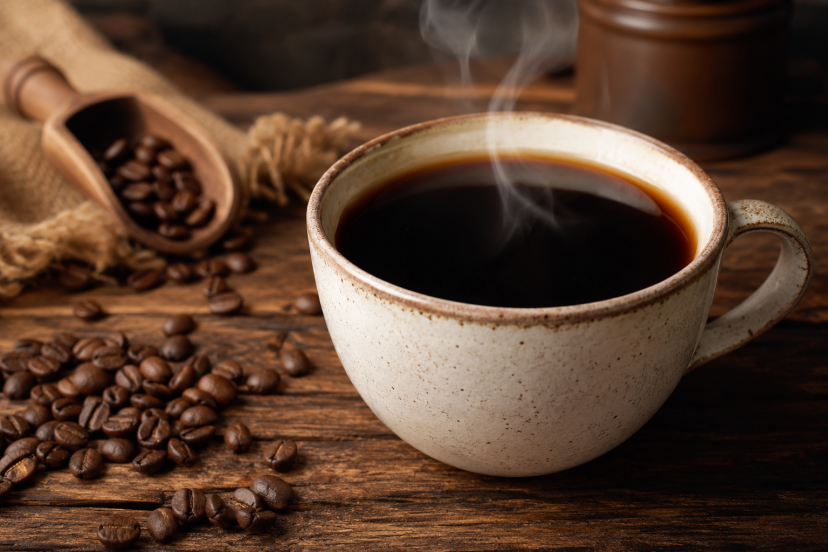
Black coffee is coffee served without milk, cream, sugar, syrup, or added flavoring. It is one of the simplest ways to drink coffee because it keeps the natural taste of the roasted coffee bean at the center of the cup. Depending on the bean, roast, grind size, and brewing method, black coffee can taste bold, bitter, smooth, smoky, nutty, chocolatey, fruity, floral, or bright.
The story of black coffee begins with coffee itself. Wild coffee plants trace back closely to Ethiopia, while Yemen helped turn coffee into a roasted, brewed, and traded drink. From there, coffee spread across the Middle East, Europe, and eventually the rest of the world. The National Coffee Association explains early coffee history through the famous Ethiopian plateau legend, while modern research also identifies Yemen as a key center of coffee cultivation and trade.
Today, black coffee means more than a plain drink. It forms the base of brewed coffee, espresso, Americano, cold brew, pour-over, French press, and many café-style drinks before anyone adds milk or sweeteners. It also gives coffee drinkers one of the clearest ways to understand the natural flavor of coffee.
“ancient coffee forests of the Ethiopian plateau”
Source: National Coffee Association
Key Takeaways
- Black coffee contains only brewed coffee, with no milk, cream, sugar, syrup, or added flavoring.
- Its taste depends on the coffee origin, roast level, grind size, water quality, and brewing method.
- Coffee plants trace back strongly to Ethiopia, while Yemen helped develop coffee into the brewed beverage people recognize today.
- Black coffee is naturally very low in calories when nothing is added.
- For most adults, the FDA cites 400 milligrams of caffeine per day as an amount not generally associated with negative effects, but caffeine sensitivity varies.
4 Black Coffee Products
These products are good options for drinking black coffee because they offer different roast levels, formats, and flavor profiles. Availability and pricing may change.
Lavazza Super Crema Whole Bean Coffee
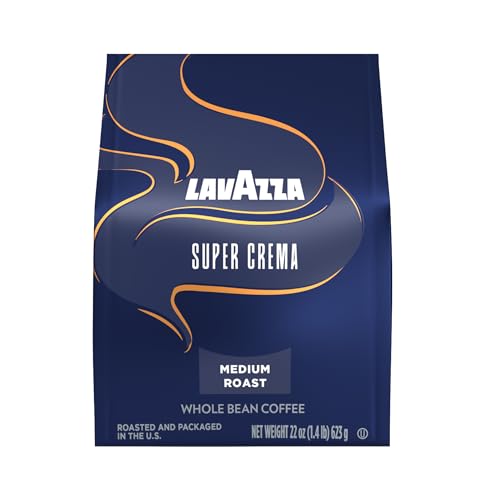


Lavazza Super Crema Whole Bean Coffee is a smooth, full-bodied blend that works exceptionally well for mocha iced coffee. Made from a balanced mix of Arabica and Robusta beans, this medium espresso roast delivers a creamy texture and bold flavor that pairs perfectly with chocolate and milk. Its rich crema and balanced intensity help mocha iced coffee stay flavorful even when poured over ice.
Best for espresso-style black coffee and Americanos. Amazon lists it as a 2.2 lb whole bean coffee with a medium espresso roast, a bold and creamy finish, and an Arabica and Robusta blend sourced from multiple coffee-growing countries.
- Flavor Balance: Creamy, bold profile that complements mocha iced coffee
- Bean Quality: Arabica and Robusta blend adds body and caffeine strength
- Versatility: Excellent for espresso shots and iced coffee bases
- Grind Required: Whole beans need a grinder before brewing
- Flavor Profile: May feel too strong for light-roast coffee fans
- Storage Care: Requires proper sealing to maintain freshness
Amazon Fresh Colombia Whole Bean Coffee
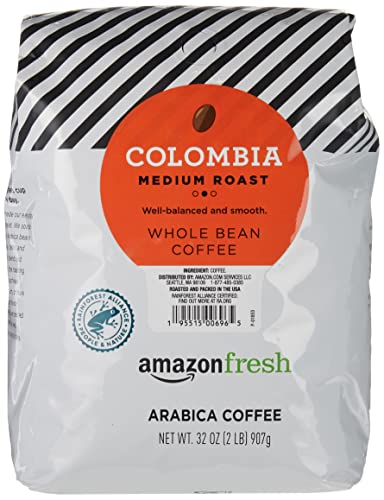


Amazon Fresh Colombia Whole Bean Coffee is a medium-roast coffee made from 100% Arabica beans sourced from Colombia. With a balanced and full-bodied flavor profile, this coffee offers a smooth finish. Packaged in a convenient 32-ounce bag, these whole beans are designed to provide a fresh and flavorful coffee experience. As an Amazon Fresh brand, the coffee is roasted and packed in the U.S.A., ensuring quality and freshness.
Best for a smooth everyday black coffee. Amazon describes it as a 32-ounce bag of 100% Arabica Colombian whole bean coffee with a balanced, full-bodied medium roast and smooth finish.
- High-Quality Beans: Premium 100% Arabica beans from Colombia for a rich and balanced flavor.
- Convenient Packaging: The 32-ounce bag allows for fresh grinding, ensuring a flavorful cup each time.
- Amazon Fresh Assurance: Roasted and packed in the U.S.A., providing reliable quality and freshness.
- Limited Roast Options: Available only in medium roast, limiting choices for those with specific preferences.
- Packaging Size: The 32-ounce bag may be too large for occasional drinkers or those with limited storage.
- Brand Specificity: Amazon Fresh branding may deter consumers seeking longer-established coffee brands.
Starbucks Pike Place Roast Ground Coffee
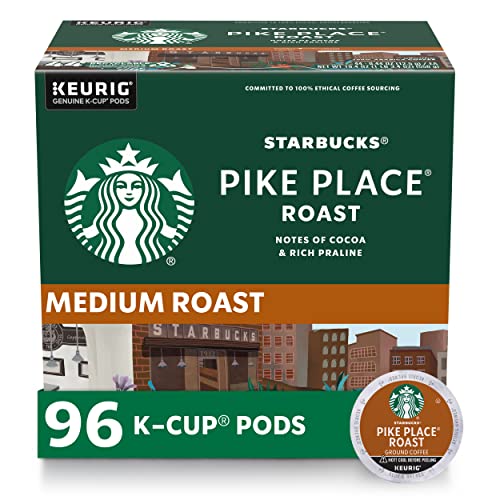


A staple choice among the best K-Cup coffee options, Starbucks Pike Place Roast delivers a smooth, well-rounded medium roast that works perfectly for both hot and iced coffee. Known for its balanced flavor, this blend features subtle notes of cocoa and toasted nuts, creating a rich yet approachable cup. Designed for Keurig machines, these pods offer the signature Starbucks experience at home with consistent quality and a satisfying finish every time.
Best for a familiar medium roast flavor. Amazon lists it as a 28-ounce bag of 100% Arabica ground coffee, suitable for hot or iced coffee.
- Balanced and Smooth Flavor: Medium roast with mild cocoa and nutty notes, ideal for everyday drinking
- Versatile Brewing: Great for both hot coffee and iced coffee preparations
- Trusted Brand Quality: Consistent taste backed by Starbucks’ well-known roasting standards
- Slightly Higher Price: More expensive than some generic or store-brand K-Cups
- Not Very Bold: May feel too mild for those who prefer strong, dark roasts
- Limited Complexity: Flavor profile is smooth but not as unique as specialty blends
Death Wish Coffee Organic Dark Roast Whole Bean Coffee


For those who want a bold and intense option among the best K-Cup coffee, Death Wish Coffee Dark Roast delivers powerful flavor and high caffeine in every cup. Known as one of the world’s strongest coffees, this dark roast features deep, rich notes with hints of chocolate and cherry, creating a smooth yet robust drinking experience. Made with USDA organic beans and compatible with Keurig machines, these pods are perfect for coffee lovers who need an extra kick without sacrificing quality or taste.
Best for strong black coffee drinkers who want a bold, high-caffeine cup. Amazon describes it as a dark roast Arabica and Robusta blend that is USDA Organic and Fair Trade Certified.
- High Caffeine Content: Stronger than average coffee, ideal for energy boosts and busy mornings
- Rich, Bold Flavor: Deep dark roast with smooth chocolatey and slightly fruity notes
- Organic and Clean Ingredients: USDA organic, vegan, and gluten-free for health-conscious drinkers
- More Expensive Per Pod: Higher cost compared to standard K-Cup options
- Too Strong for Some: Intense flavor and caffeine may overwhelm casual coffee drinkers
- Limited Subtlety: Focuses on strength over nuanced or complex flavor profiles
What Is Black Coffee?
Black coffee is coffee in its most direct drinking form. It contains brewed coffee and water, with no dairy, sweetener, syrup, creamer, whipped topping, or added flavor. A cup of black drip coffee, a plain espresso shot, an Americano, and unsweetened cold brew can all be considered black coffee when they are served without additions.
The word black refers to how the drink looks in the cup. Coffee becomes lighter when milk or cream is added. Without those additions, brewed coffee remains dark brown to nearly black depending on roast level and concentration.
Black coffee is often misunderstood as one specific type of coffee, but it is actually a serving style. The same coffee beans can be served black, with milk, with sugar, over ice, as espresso, or as a latte base. What changes is not always the bean itself. What changes is what is added after brewing.
This is why black coffee can taste different from one cup to another. A light roast Ethiopian pour-over may taste bright and floral. A dark roast French press may taste smoky and heavy. A Colombian medium roast drip coffee may taste balanced, nutty, and smooth. All of them can be black coffee.
Where Did Black Coffee Come From?
Black coffee came from the broader history of coffee as a brewed drink. Coffee plants are closely associated with Ethiopia, where wild coffee forests form part of coffee’s origin story. The National Coffee Association connects early coffee history to the ancient coffee forests of the Ethiopian plateau and the well-known legend of energetic goats eating coffee cherries.
The beverage history of coffee becomes clearer when Yemen enters the story. Yemen is widely considered crucial to the development of coffee cultivation and coffee trade. A 2024 scientific paper notes that Yemen played a major role in shaping coffee history because coffee cultivation and trade originated there.
This distinction matters. Ethiopia is deeply tied to the coffee plant and its natural origins. Yemen is deeply tied to coffee becoming a cultivated, traded, roasted, and brewed beverage. From there, coffee moved through the Arabian Peninsula and into wider global trade.
In its earliest brewed forms, coffee was usually consumed without modern sweeteners, creamers, or flavored syrups. That makes black coffee closer to the older style of drinking coffee than many modern café drinks. Milk coffee, sweetened coffee, flavored coffee, and blended coffee came later as coffee culture expanded across different regions and tastes.
How Coffee Spread Around the World
Coffee moved from regional use into a global drink through trade, religious life, social gathering, and commerce. In the Middle East, coffee became associated with alertness, conversation, and long periods of study or devotion. Coffeehouses became important gathering places where people discussed news, business, culture, and politics.
As trade expanded, coffee reached Europe and then the Americas. Over time, coffeehouses became part of urban culture. They were not simply places to drink. They became places to meet, debate, write, read, and build social connections.
Black coffee remained the basic version of the drink through this expansion. Before espresso machines, flavored syrups, cold foam, and bottled creamers, coffee was mostly understood as roasted beans brewed with hot water. Even today, many coffee professionals taste coffee black during cupping because it reveals the clearest expression of the bean.
What Does Black Coffee Taste Like?
Black coffee can taste bitter, but it does not have to taste harsh. Bitterness is only one part of coffee flavor. A good cup can also taste sweet, crisp, earthy, nutty, chocolatey, fruity, toasted, floral, smoky, or spicy.
The biggest flavor factors are:
- Coffee origin: Beans from different regions can taste very different. Ethiopian coffees may be bright, floral, citrusy, or berry-like. Colombian coffees often taste balanced, sweet, nutty, and chocolatey. Sumatran coffees are often earthy, full-bodied, and rich.
- Roast level: Light roasts usually keep more acidity and origin character. Medium roasts often balance sweetness, aroma, and body. Dark roasts taste bolder, smokier, heavier, and more roasted.
- Brewing method: Pour-over coffee may taste clean and bright. French press coffee may feel heavier and fuller. Espresso is concentrated and intense. Cold brew is usually smoother and less sharp because it is brewed slowly with cool water.
- Grind size and brew ratio: Coffee that is ground too fine or brewed too long can taste bitter. Coffee that is ground too coarse or brewed too quickly can taste sour or weak.
- Water quality: Since brewed black coffee is mostly water, stale, chlorinated, or mineral-heavy water can affect the final taste.
Is Black Coffee Healthy?
Plain black coffee is naturally low in calories because it contains no milk, sugar, or cream. USDA FoodData Central provides nutrient data for foods and beverages, and commonly cited USDA-based nutrition summaries place plain brewed coffee at only about 2 calories per 8-ounce cup when nothing is added.
The health profile changes quickly when sugar, flavored syrups, whipped toppings, and heavy cream are added. Black coffee itself is simple. A sweetened coffee drink can become a dessert-like beverage with significantly more calories, sugar, and fat.
Caffeine is the main reason many people drink black coffee. It can increase alertness and help people feel more awake. However, caffeine affects people differently. The FDA states that for most adults, 400 milligrams of caffeine per day is an amount not generally associated with negative effects, but it also notes that sensitivity and metabolism vary from person to person.
This means black coffee can fit into a balanced routine for many adults, but it is not automatically ideal for everyone. People who experience jitters, anxiety, stomach irritation, sleep disruption, reflux symptoms, or a racing heartbeat may need less caffeine, a lower-acid coffee, food with coffee, or decaf.
How Much Caffeine Is in Black Coffee?
The caffeine in black coffee depends on the bean, serving size, brew method, and strength. Espresso is more concentrated per ounce, but a large brewed coffee may contain more total caffeine because the serving is much bigger.
A standard 8-ounce cup of brewed coffee is often estimated around 80 to 100 milligrams of caffeine, but values can vary. A 12-ounce mug, strong French press, cold brew concentrate, or extra-large café coffee can contain much more.
This is why serving size matters. Many people picture “one cup” as a small 8-ounce serving, but home mugs and café sizes are often 12, 16, or 20 ounces. A person drinking two large mugs may be consuming more caffeine than expected.
The safest practical approach is to watch both serving size and body response. If black coffee causes shakiness, stomach discomfort, or sleep problems, the issue may be caffeine amount, timing, roast, acidity, or drinking it on an empty stomach.
Why Do People Drink Black Coffee?
People drink black coffee for several reasons.
Some drink it for flavor. Black coffee allows the natural taste of the bean and roast to come through without being covered by milk or sugar. This is why specialty coffee drinkers often prefer black coffee when trying a new origin or roast.
Some drink it for simplicity. Black coffee needs only coffee and water. It does not require extra ingredients, refrigeration, syrup pumps, or sweeteners.
Some drink it for calorie control. Since plain black coffee is very low in calories, it is often preferred by people who want coffee without added sugar or cream.
Some drink it for routine. A hot cup of black coffee in the morning can feel grounding, familiar, and focused.
Some drink it for caffeine. Black coffee delivers caffeine without the heaviness of milk-based drinks.
Black Coffee vs Coffee With Milk
The main difference between black coffee and coffee with milk is flavor and texture. Black coffee tastes more direct, aromatic, and roast-driven. Coffee with milk tastes softer, creamier, and rounder.
Milk can reduce the perception of bitterness. It can also add sweetness, body, and richness. That is why people who dislike black coffee often prefer lattes, cappuccinos, flat whites, or coffee with cream.
However, milk can also cover delicate flavors. If a coffee has floral, citrus, berry, or tea-like notes, those details may become harder to taste once milk is added. This is one reason light roast single-origin coffee is often served black, while darker espresso blends are often paired with milk.
Neither style is automatically better. Black coffee is better for tasting the bean clearly. Milk coffee is better for people who want a creamier, softer drink.
Black Coffee vs Espresso
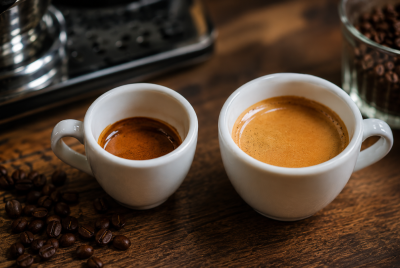
Espresso can be black coffee, but not all black coffee is espresso. Espresso is a brewing method that uses pressure to push hot water through finely ground coffee. It creates a small, concentrated shot with crema on top.
Black coffee usually refers to brewed coffee served without additions. This can include drip coffee, pour-over, French press, AeroPress, cold brew, Americano, or espresso. The key point is that nothing is added after brewing.
An Americano is a good bridge between espresso and brewed black coffee. It is made by adding hot water to espresso, creating a larger black coffee drink with espresso-style flavor.
Best Brewing Methods for Black Coffee
The best brewing method depends on the flavor and texture desired.
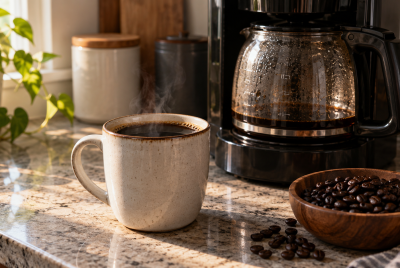
Drip coffee is convenient and familiar. It works well for daily black coffee, especially with medium roast beans.
Pour-over is clean and aromatic. It is ideal for highlighting bright, fruity, floral, or complex coffees.
French press is rich and full-bodied. It works well with medium and dark roasts because the metal filter allows more oils and fine particles into the cup.
Espresso is intense and concentrated. It works well for people who enjoy short, strong coffee or Americanos.
Cold brew is smooth and mellow. It is useful for people who find hot coffee too sharp or acidic.
AeroPress is flexible. It can create a strong, smooth cup and is good for travel or small kitchens.
How to Make Black Coffee Taste Better
Better black coffee starts with better beans and better brewing. Old coffee often tastes flat, stale, or harsh. Freshly roasted coffee usually has more aroma and sweetness.
Use the right grind size for the brewing method. Fine grounds are better for espresso. Medium grounds work for drip. Medium-fine grounds often work for pour-over. Coarse grounds work for French press and cold brew.
Do not use boiling water straight from the kettle. Extremely hot water can pull harsh flavors from the grounds. Letting water rest briefly after boiling often improves the cup.
Measure coffee and water. Guessing can lead to weak, sour, bitter, or muddy coffee. A simple starting point is about 1 to 2 tablespoons of ground coffee per 6 ounces of water, then adjust based on taste.
Clean brewing equipment regularly. Coffee oils build up on brewers, grinders, and carafes. Old oils can make even good beans taste rancid or bitter.
Try a medium roast before assuming black coffee is too bitter. Many people start with very dark coffee, find it harsh, and decide black coffee is not for them. A smooth medium roast may be easier to enjoy.
Common Mistakes When Drinking Black Coffee
The first mistake is using stale coffee. Ground coffee loses aroma faster than whole bean coffee. Buying whole beans and grinding before brewing can improve flavor.
The second mistake is using the wrong roast. Dark roast can be bold and delicious, but it can also taste smoky or bitter to new black coffee drinkers. Light roast can be bright and acidic. Medium roast is often the easiest starting point.
The third mistake is brewing too strong. Strong coffee is not always better coffee. Too much coffee or too much extraction can make the cup harsh.
The fourth mistake is drinking black coffee too hot. Letting it cool slightly can reveal more sweetness and aroma.
The fifth mistake is expecting black coffee to taste like a sweet café drink. Black coffee is not meant to taste like caramel, vanilla, or cream. It has its own flavor language.
Conclusion
Black coffee is coffee served without milk, cream, sugar, syrup, or added flavoring. It is the simplest and most revealing form of coffee because it lets the bean, roast, and brewing method speak clearly.
Its history reaches back to the origins of coffee itself, from Ethiopia’s coffee forests to Yemen’s role in cultivation, brewing, and trade. Over centuries, coffee spread through social, religious, commercial, and cultural life until it became one of the world’s most familiar drinks.
For modern coffee drinkers, black coffee offers clarity. It can be bold or delicate, bitter or smooth, bright or chocolatey. The difference depends on the bean, roast, grind, water, and brewing method. For anyone learning to appreciate coffee, drinking it black is one of the best ways to understand what coffee really tastes like.
FAQs
Is black coffee just regular coffee?
Black coffee is regular brewed coffee served without milk, cream, sugar, syrup, or added flavoring. It can be made with drip coffee, pour-over, French press, espresso, Americano, or cold brew.
Where did black coffee originate?
Black coffee comes from the broader history of brewed coffee. Coffee plants are strongly linked to Ethiopia, while coffee cultivation, roasting, brewing, and trade became historically important through Yemen.
Is black coffee bitter?
Black coffee can be bitter, especially when made with dark roast coffee, stale beans, too fine a grind, or over-extraction. However, well-brewed black coffee can also taste smooth, sweet, nutty, fruity, floral, or chocolatey.
Is black coffee good for weight control?
Black coffee is very low in calories when nothing is added, which makes it a common choice for people who want coffee without sugar or cream. It should not be treated as a weight-loss solution by itself.
What is the best coffee for beginners who want to drink it black?
A smooth medium roast is usually the best starting point. Colombian coffee, breakfast blends, and balanced medium roasts are often easier for beginners than very smoky dark roasts or very acidic light roasts.